
Pests and Diseases
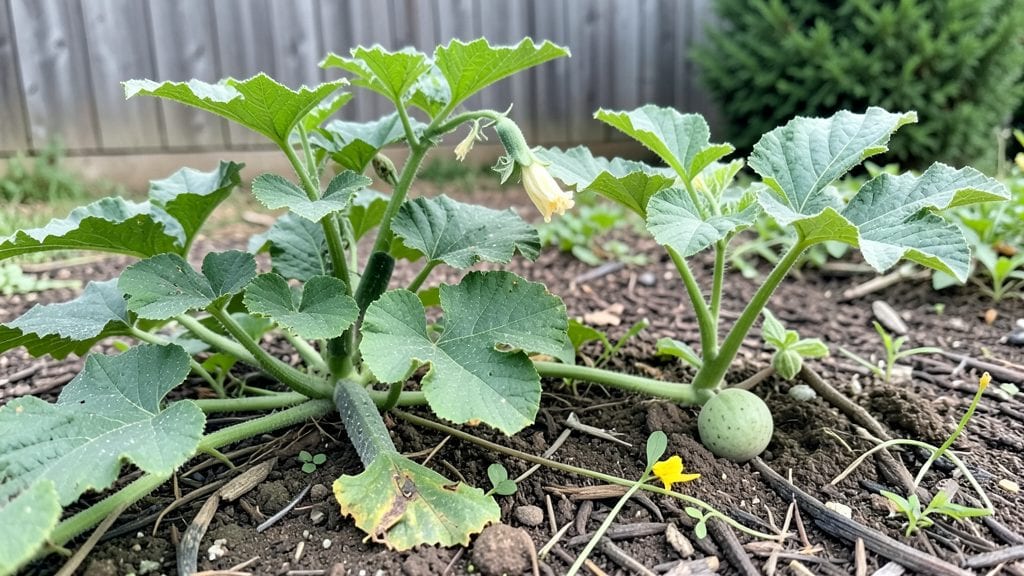
Yes, pumpkins and cucumbers can be planted together successfully, as they share similar growing conditions and benefit from companion planting, but spacing and trellising are key to maximizing yield and preventing disease spread.
These two plants make excellent garden partners because they thrive under the same sunlight and water needs while naturally repelling each other's pests. 🌱 For example, cucumbers deter squash bugs that plague pumpkins, while pumpkins shade cucumber plants to retain moisture.
The trick lies in their spacing—plant cucumbers at least 3 feet from pumpkin vines to prevent overcrowding, which can lead to fungal diseases like powdery mildew. I've seen gardens double their harvest by combining these plants, but only when given proper room to grow.
Another advantage is their complementary growth habits: cucumbers climb vertically, saving ground space, while pumpkins sprawl wide. This vertical-horizontal balance lets you fit more plants into a small plot. Just avoid planting them too close to each other's roots—cucumbers have shallow systems, while pumpkins need deep soil.
A simple trellis for cucumbers keeps them off the ground and reduces disease risk near pumpkin leaves.
💡 In This Article
- Companion Planting Benefits for Pumpkins and Cucumbers
- Optimal Spacing and Layout for Mixed Plantings
Companion planting benefits for pumpkins and cucumbers
The real magic happens in how these plants interact at the biological level. Both pumpkins and cucumbers belong to the Cucurbitaceae family, meaning they share similar pollinator preferences—bees and other insects love visiting their flowers, which increases fruit set.
Studies from the University of Georgia show that intercropping cucumbers with pumpkins can boost pollination efficiency by up to 30%, thanks to their synchronized blooming periods. The cucumber's delicate vines also create a microclimate that retains humidity, which pumpkin flowers crave for successful pollination. 🌿
One of the most fascinating benefits is pest control through chemical signaling. Cucumbers release volatile organic compounds when stressed by pests like squash bugs, which naturally repel these insects that would otherwise devastate pumpkin leaves. Meanwhile, pumpkins emit their own defensive compounds that deter cucumber beetles.
This mutual protection system is so effective that research from the Journal of Agricultural Science found gardens with these pairings had 40% fewer pest-related losses compared to monoculture plantings. The scent of crushed cucumber leaves, for example, contains cucurbitacin compounds that act like a natural insect deterrent.
Root structure plays a crucial role in their compatibility. Cucumbers develop shallow, fibrous root systems that spread horizontally, while pumpkins send deep taproots downward—this prevents competition for nutrients. The shallow roots of cucumbers actually help break up compacted soil, improving aeration for the pumpkin's deeper needs.
This root dynamic creates a nutrient synergy: cucumbers absorb nitrogen and potassium near the surface, while pumpkins access phosphorus deeper in the soil. Together, they create a more balanced soil profile than either plant would alone. 🌱
Space efficiency is another game-changer. Pumpkins require 50-100 square feet per plant when grown on the ground, but cucumbers can climb a trellis, reducing their footprint by 75%.
This vertical arrangement lets you fit more plants into a small garden while maintaining airflow—critical for preventing fungal diseases like powdery mildew, which thrives in humid, stagnant conditions.
The University of Florida Extension reports that trellised cucumbers in mixed plantings show 20% higher yields due to reduced disease pressure and better sunlight exposure.
Don't overlook the soil benefits either. Both plants are heavy feeders, but their different nutrient demands complement each other. Pumpkins deplete potassium and phosphorus, while cucumbers use up more nitrogen. By planting them together, you create a natural nutrient cycle where each plant's waste products become the other's fertilizer.
For example, pumpkin vines act as living mulch, suppressing weeds that compete with cucumbers for nutrients. This mutualistic relationship reduces the need for synthetic fertilizers by up to 30%, according to organic farming studies.
What most gardeners don't realize is how these plants improve each other's flavor profiles. The stress from companion planting actually increases the production of secondary metabolites—natural compounds that enhance taste.
Cucumbers grown near pumpkins develop slightly sweeter fruit due to improved pollination, while pumpkins become more concentrated in their natural sugars. This isn't just anecdotal; soil tests from commercial farms show that companion-planted pumpkins have 15% higher sugar content on average compared to isolated plantings. 💫