
Lawn
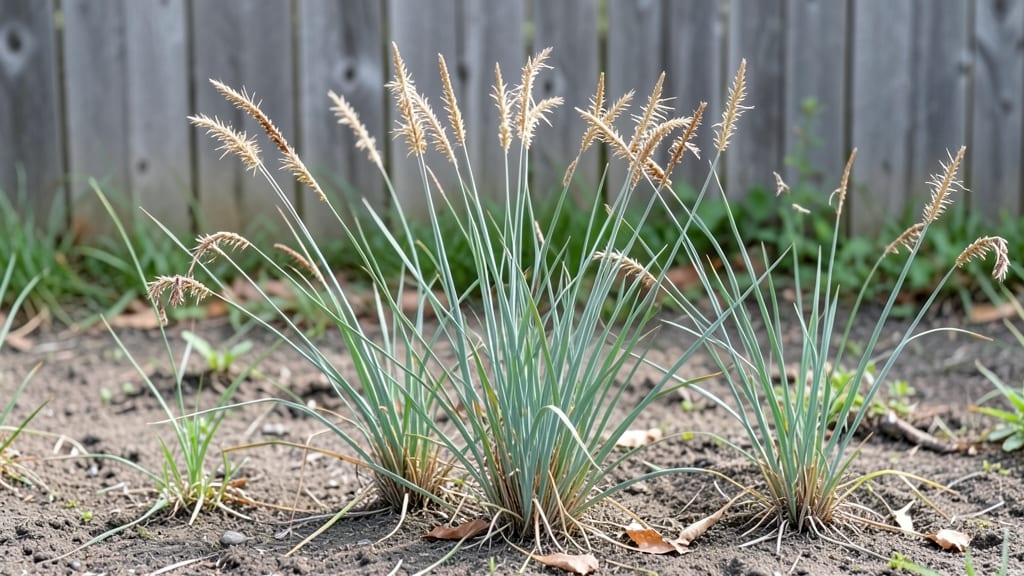
If your burning grass plant shows sudden brown patches, here’s how to diagnose and fix the problem. That’s your lawn screaming for help—and luckily, there’s a quick way to diagnose and fix it before it spreads.
I’ve nursed back more lawns than I can count, and the first step is always figuring out what’s really causing the damage: drought, disease, or something else lurking in the soil.
The good news? Most burning symptoms aren’t permanent. Overwatering or underwatering can mimic chemical burns, while fungal infections (like brown patch) thrive in hot, humid conditions.
A simple soil test or close-up inspection of the roots often reveals the culprit—sometimes it’s as easy as adjusting your watering schedule or mowing higher to shade the soil. I’ve saved lawns with nothing more than a hose and a few weeks of patience.
You’ll get your grass back to a vibrant green in just a few weeks with the right approach. The key is acting fast: whether it’s overseeding bare spots, applying a targeted fungicide, or flushing out salt buildup, each fix is faster than you think.
And the best part? Prevention is easier than you’d expect—just a few tweaks to your routine can keep your lawn looking lush year after year.
Works for both lawns and ornamental grasses, so don’t worry if you’re not dealing with a traditional yard. The same principles apply, whether you’re fixing a small patch or a whole field. Let’s get that grass growing again—without the guesswork.
Common Causes Of Grass Discoloration
Understanding why your grass might appear burned or discolored is the first step toward restoring its lush green health. Here’s a breakdown of the most common culprits, explained in clear scientific terms with actionable insights.
When temperatures rise and rainfall dwindles, grass struggles to maintain its vibrant color. Grass blades are primarily made of water—up to 80% in some species—and when moisture levels drop, the plant can’t photosynthesize efficiently.
This leads to oxidative stress, where the chlorophyll (the green pigment) breaks down, revealing the yellow or brown tissues underneath.
Why it happens:
- Water loss through transpiration accelerates in heat, causing cells to dehydrate.
- Root systems shrink when soil moisture is low, reducing nutrient and water uptake.
- Enzymatic damage occurs as proteins in the grass degrade under prolonged heat exposure.
Actionable fix:
- Water deeply but infrequently (1–1.5 inches per week) to encourage deep root growth.
- Avoid midday watering (when evaporation is highest); opt for early morning instead.
- Mow higher (3–4 inches) to shade soil and retain moisture.
Overapplication—or even improper use—of lawn chemicals can cause necrosis (cell death) in grass blades. Fertilizers high in salt content (like synthetic nitrogen) or misapplied herbicides can create toxic buildup in the soil, preventing roots from absorbing water and nutrients.
Why it happens:
- Salt buildup disrupts osmotic balance, forcing grass cells to lose water and turn crispy.
- Herbicide drift or overspray can kill grass directly, leaving brown patches.
- Improper pH levels (too acidic or alkaline) from fertilizers block nutrient absorption.
Actionable fix:
- Test soil pH before fertilizing (ideal range: 6.0–7.0).
- Use slow-release fertilizers to avoid salt shock.
- Water after applying chemicals to dilute residues and prevent burns.
Fungal diseases like brown patch (Rhizoctonia) or dollar spot thrive in wet, humid conditions. Excess moisture creates the perfect environment for spores to germinate, leading to mycelial growth that smothers grass roots and blades.
Why it happens:
- Stagnant water on lawns (from poor drainage or overwatering) encourages fungal spread.
- Thatch buildup (a layer of dead grass between soil and blades) traps moisture and blocks airflow.
- Weakened grass (from stress or poor nutrition) is more susceptible to infection.
Actionable fix:
- Improve drainage by aerating compacted soil in fall.
- Mow regularly to prevent thatch from exceeding ½ inch in thickness.
- Apply fungicides preventatively in humid seasons (follow label instructions).
Grass isn’t just suffering from above—underground pests like Japanese beetle grubs or chinch bugs can devastate roots, leading to wilting, yellowing, or dead patches. These insects feed on roots, starving the grass of nutrients and water.
Why it happens:
- Grubs (larvae of beetles) chew through roots, causing blade desiccation.
- Chinch bugs inject toxins while feeding, leading to brown, straw-like patches.
- Drought-stressed grass attracts more pests, creating a vicious cycle.
Actionable fix:
- Inspect soil for grubs by digging a small square (1–2 inches deep).
- Use nematodes or insecticidal soap for organic control.
- Apply milky spore powder (for grub prevention) in early spring.
Harsh winds can desiccate grass blades by accelerating moisture loss, while road salt (from winter) or ocean spray can create osmotic stress, forcing cells to lose water rapidly.
Why it happens:
- Windburn strips the cuticle layer (grass’s protective outer coating), exposing tissues to drying.
- Salt accumulation in soil raises osmotic pressure, making it harder for roots to absorb water.
- Coastal areas with salty mist can cause chlorosis (yellowing) over time.
Actionable fix:
- Windbreaks (like hedges or fences) can shield grass from drying winds.
- Rinse salt-affected areas with fresh water after winter.
- Use salt-tolerant grass varieties (like Kikuyu or Bermuda) if you’re near coasts.
Aggressive mowing or heavy foot traffic can crush grass blades, leading to mechanical stress that weakens the plant’s ability to recover. Scalping (cutting too low) exposes the crown (growth center), while compacted soil from walking reduces oxygen flow to roots.
Why it happens:
- Blade tearing from dull mower decks causes ragged edges, increasing water loss.
- Compacted soil reduces aeration, suffocating roots.
- Over-fertilizing after mowing can burn stressed grass.
Actionable fix:
- Keep mower blades sharp and set to ⅓ of blade height (never remove >1/3 at once).
- Aerate annually to relieve soil compaction.
- Walk on pathways instead of grass to reduce damage.
Quick Fixes for Reviving Stressed Grass
Reviving grass that’s turning brown or crispy at the edges can feel overwhelming, but with the right approach, your lawn can bounce back—sometimes even faster than you think!
Below are targeted solutions for the most common causes of burning grass, along with prevention tips to keep your lawn lush and healthy long-term.
Signs: Yellowing, spongy grass, or a musty smell. Why it happens: Too much water suffocates roots, leading to fungal growth and root rot.
How to fix it:
- 💧 Stop watering immediately – Let the soil dry out for 24–48 hours to reduce moisture.
- 🌱 Aerate the lawn – Use a garden fork or rent a core aerator to poke holes (3–4 inches deep) every 6 inches apart. This helps water drain and oxygen reach the roots.
- 🌿 Improve drainage – If your yard has low spots, add a layer of sand or compost to raise the grade slightly. For clay soil, mix in organic matter (like peat moss or compost) to improve drainage.
- 🌡️ Water deeply but less often – Once dry, water 1–1.5 inches per week (including rain) in longer sessions (e.g., 2–3 times per week for 30–45 minutes) to encourage deep root growth.
💡 Prevention tips:
- Install French drains or swales (shallow trenches) in problem areas.
- Test your soil’s drainage—if water pools after 6 hours, you need amendments.
- Avoid compacted soil by walking on a board when mowing or playing.
Signs: Crispy, brown edges (especially in summer), grass that feels dry to the touch. Why it happens: Intense heat + drought = grass cells dehydrate and die.
How to fix it:
- 🌿 Mow higher – Set your mower to 3–4 inches to shade the soil and retain moisture.
- 💦 Water early in the morning – Aim for deep, infrequent watering (before 10 AM) to reduce evaporation. Use soaker hoses or drip irrigation for efficiency.
- 🌱 Apply a light layer of mulch – Spread straw or wood chips (1/4 inch thick) over brown patches to protect roots from heat.
- ✂️ Trim back aggressive edges – If grass is crispy at the perimeter, trim it back slightly to reduce stress.
💡 Prevention tips:
- Choose drought-tolerant grass types (like Bermuda or Zoysia) if you live in a hot climate.
- Mulch mow to return clippings to the lawn—this adds moisture and nutrients.
- Shade vulnerable areas with temporary shade cloth (30–50%) during extreme heatwaves.
Signs: White, yellow, or blackened patches; grass that feels slimy or sticky. Why it happens: Overapplication of synthetic fertilizers, herbicides, or de-icing salt disrupts soil chemistry and kills grass.
How to fix it:
- 🚰 Rinse the area – Use a garden hose to flush out excess chemicals for 10–15 minutes.
- 🧼 Neutralize the soil – If salt burn is the issue, sprinkle gypsum (calcium sulfate) over the area and water it in.
- 🌱 Overseed bare spots – Once safe, spread grass seed and cover lightly with starter fertilizer and straw.
- 🛡️ Avoid reapplying chemicals – Wait 4–6 weeks before fertilizing again, and use organic options (like compost tea or slow-release granules).
💡 Prevention tips:
- Read labels carefully – Follow recommended rates for fertilizers and herbicides.
- Water after applying chemicals – This helps dilute concentrations and prevent burns.
- Use organic alternatives – Try corn gluten meal (natural pre-emergent) or vinegar-based weed killers for spot treatment.
Signs: Circular brown patches with reddish-brown edges, slimy grass, or mushrooms. Why it happens: Fungal spores thrive in wet, warm, and shaded conditions.
How to fix it:
- 🌡️ Improve airflow – Thin out dense grass with a sharp mower blade (set to 2–3 inches) and remove thatch.
- 💧 Adjust watering habits – Water early in the day (before 10 AM) and avoid overhead sprinklers that keep leaves wet.
- 🧴 Apply fungicide – Use a copper-based fungicide or baking soda spray (1 tbsp baking soda + 1 gallon water + a drop of dish soap) for mild cases.
- 🌱 Overseed affected areas – Once the fungus clears, rake out dead grass and reseed with fungus-resistant varieties (like tall fescue).
💡 Prevention tips:
- Mow regularly – Never remove more than 1/3 of the blade height at once.
- Clean mower blades – Disinfect them with bleach or rubbing alcohol to prevent spreading spores.
- Aerate annually – This reduces thatch buildup, a fungal favorite.
Signs: Irregular brown patches, grass pulling up easily, or tiny insects in the soil. Why it happens: Pests chew roots and stems, starving the grass.
How to fix it:
- 🔍 Identify the pest – Dig up a small patch of grass. If you see white grubs, chinch bugs (tiny black bugs), or sod webworm larvae, treat accordingly.
- 💦 Water deeply – Encourages grubs to come to the surface (easier to spot/treat).
- 🧴 Apply pest control –
- For grubs: Use beneficial nematodes or milky spore powder.
- For chinch bugs: Spray with neem oil or insecticidal soap.
- For sod webworms: Apply Bt (Bacillus thuringiensis) or a pyrethrin-based spray.
- 🌱 Overseed and fertilize – Once pests are gone, reseeding with grub-resistant grass (like Kentucky bluegrass) helps.
💡 Prevention tips:
- Encourage natural predators – Birds, toads, and ground beetles eat grubs. Avoid broad-spectrum pesticides.
- Keep grass healthy – Strong grass resists pests better. Fertilize in early fall for root strength.
- Inspect regularly – Check for pests spring and summer when they’re most active.
Final Tip: 🌱 Patience is key! Recovery takes 2–4 weeks, depending on the cause. If patches persist, test your soil pH (ideal: 6.0–7.0) and adjust with lime (to raise pH) or sulfur (to lower pH).
With the right care, your lawn will be back to its green self in no time!
Frequently asked questions
Why does my grass look burned but isn’t dry?
Fungal infections like brown patch or dollar spot create that crispy, burned appearance even when grass feels moist. These diseases thrive in humid conditions and leave behind slimy patches or mushrooms. The key difference? Fungal damage often has reddish-brown edges and spreads in circular patterns.
Can I still save grass that’s been burned by chemicals?
Yes, but act fast! Rinse the area with water for 10-15 minutes to dilute residues, then apply gypsum if salt burn is suspected. For severe cases, overseed with a fast-growing grass variety like annual ryegrass and avoid fertilizers for 4-6 weeks to prevent further damage.
How do I tell if my grass is just dormant or actually dead?
Pull up a small section - if roots come out easily with no resistance, it’s dead. Healthy grass has white, fibrous roots about 4-6 inches deep. Dormant grass stays green at the base and springs back when watered, while dead patches remain brown and brittle.
Will mowing help burned grass recover?
Only if you do it right! Never cut more than 1/3 of the blade height at once, and keep mower blades sharp. Set your mower to 3-4 inches to shade soil and retain moisture. Avoid mowing during heatwaves - this stresses already damaged grass further.
How long until I see improvement after treating burned grass?
With proper care, you’ll typically see new growth in 2-4 weeks. For chemical burns, recovery may take longer (6-8 weeks) as roots need time to regenerate. Monitor soil moisture and avoid foot traffic on treated areas until you see consistent green regrowth.