
Pests
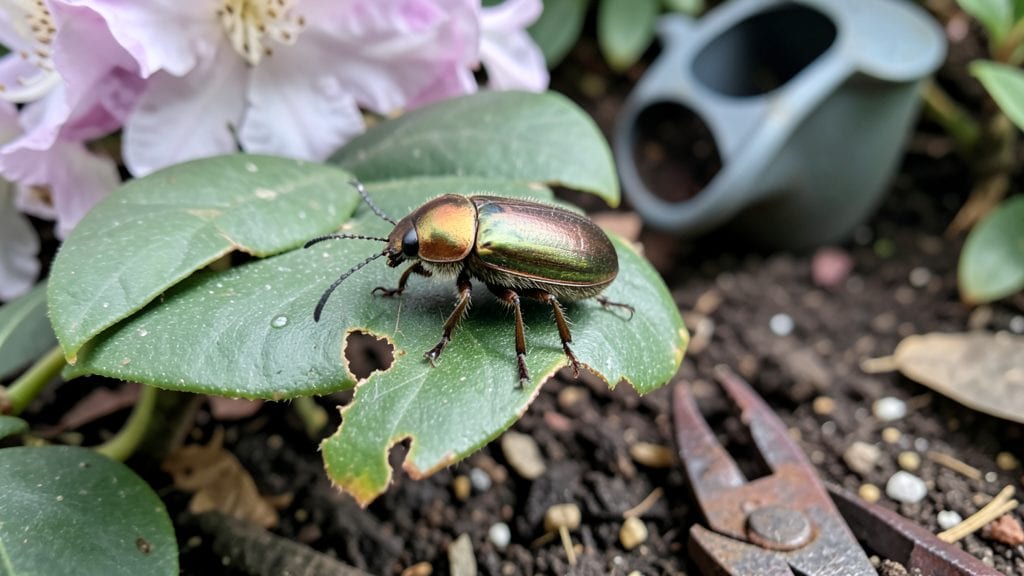
Japanese beetle plants can strip gardens bare in hours—until I found these humane traps that save my roses, grapes, and lilacs without poison. ✨ The key is targeting their weaknesses: pheromone traps, sacrificial plants, and companion pairings that confuse them into leaving your prized blooms alone.
Most gardeners reach for sprays first, but that kills bees and butterflies too. Instead, I use milky spore (a natural soil treatment) and plant rosemary, catnip, or geraniums near vulnerable plants—beetles avoid these scents.
For severe infestations, handpicking at dawn (when they’re sluggish) works surprisingly well, and you can drown them in soapy water guilt-free.
By combining these methods, you’ll protect your garden without harming pollinators. Your roses will stay intact, your grapes won’t get skeletonized, and you’ll skip the chemical cleanup. The best part? These solutions work year after year, building resilience in your soil and plants.
Whether you’re dealing with a small patch or a full-yard invasion, these strategies adapt easily. Let’s get your garden back to thriving—without the beetle damage—starting today.
The Real Culprits Behind Plant Attacks
Japanese beetles don’t just randomly munch on your garden—they’re drawn to specific conditions and plant signals that make your yard look like an all-you-can-eat buffet. Understanding these triggers helps you outsmart them before they destroy your favorite foliage. Here’s why they target your plants in the first place:
Japanese beetles rely on volatile organic compounds (VOCs)—natural chemical signals released by plants when they’re stressed, flowering, or even just thriving. These compounds act like a dinner bell, luring beetles from miles away. Here’s the breakdown:
- Flowering Plants Are the Biggest Magnets Beetles are especially drawn to roses, grapes, linden trees, and raspberries because their flowers release benzaldehyde and phenethyl acetate, two compounds that mimic the scent of their natural food sources. Even a single blooming plant can trigger a beetle invasion within hours.
- Stressed or Damaged Leaves Send SOS Signals When plants are pruned, water-stressed, or infested with other pests, they release green leaf volatiles (GLVs) like hexenal and (Z)-3-hexenol.
These chemicals don’t just warn neighboring plants—they also attract beetles looking for an easy meal. Think of it like a plant’s distress call on a beetle’s radar.
- Fruiting Plants Trigger Feeding Frenzy Once beetles land on a plant, they’re drawn to ripe or overripe fruit, which emits esters like ethyl acetate—a scent that signals high sugar content. This is why apple, peach, and plum trees often get skeletonized faster than other plants.
Beetles aren’t just picky eaters—they’re also weather-dependent opportunists. Their activity spikes under these conditions:
- Warm, Sunny Days (75–95°F) Japanese beetles are cold-blooded, meaning they’re most active when temperatures rise.
On bright, sunny days, they bask on leaves to warm up, making them more visible—and more likely to spot your garden. Shady or cool areas slow them down, but once they’re active, they’ll seek out the nearest food source.
- Moisture and Humidity Boost Their Appetite After rain or in humid climates, beetles feed more aggressively because:
- Softened leaves are easier to chew.
- High humidity preserves their moisture, letting them stay active longer.
- Dew-covered plants provide a temporary water source, giving them energy for extended feeding sessions.
- Wind Patterns Carry Them to Your Yard Beetles are weak fliers (only about 3–5 mph), but warm breezes can carry them up to 3 miles from their original habitat.
If your garden is downwind from wooded areas, golf courses, or parks, you’re in the beetle’s flight path—like a red carpet invitation.
Japanese beetle outbreaks aren’t random—they’re tied to grub survival rates from the previous year. Here’s how it happens:
- Grubs Love Lawns (And So Do Beetles Later) The larval stage (grubs) thrives in well-watered, nitrogen-rich lawns.
If your yard has: - Thick, healthy turf (especially Kentucky bluegrass or turf-type tall fescue). - Recent fertilizer applications (grubs munch on roots, and more food = more grubs). - Minimal disturbance (they hate tilling or drought). …you’re essentially running a beetle nursery.
More grubs = more adult beetles next summer.
- Mild Winters = More Survivors Japanese beetle grubs cannot survive freezing temperatures below 10°F for more than a few hours. If winters are short, wet, or unusually warm, grubs live longer, pupate earlier, and emerge as adults in huge numbers.
This is why outbreaks peak every 3–4 years—when conditions are just right for survival.
- Lack of Natural Predators Beetles have few enemies in urban gardens. While birds, toads, and parasitic wasps (like Tiphia vernalis) keep populations in check, pesticide use, habitat loss, and monoculture lawns reduce these predators. Without balance, beetles reproduce unchecked, turning your garden into a buffet.
💡 Pro Tip: If your garden is a beetle hotspot, remove flowering plants in early summer (when beetles are most active) and avoid overwatering lawns in late summer—this disrupts their life cycle before they even emerge!
Practical Ways to Protect Your Plants
Japanese beetles may seem unstoppable, but with the right strategies, you can shield your garden without harming these buzzing pests. Below are targeted solutions based on the root causes of their damage—plus preventive tips to keep your plants thriving long-term.
🔥 Handpick & Relocate (Best for Small Infestations)
If you spot just a few beetles, manual removal is the fastest and most humane method.
- How to do it: Wear gloves and gently pluck beetles off leaves or flowers, dropping them into a bucket of soapy water (or a humane trap—see below).
- When to act: Early morning or late evening when beetles are sluggish.
- Pro tip: 💡 Use a damp towel to stun them briefly before transferring—less stress for the beetle!
🍳 Soapy Water Traps (Quick & Chemical-Free)
A simple, non-toxic trap that drowns beetles without pesticides.
- What you’ll need:
- A bucket or deep container
- 1 gallon of water + 1–2 tbsp of mild dish soap (or neem oil for extra repellency)
- How to set it up: 1.
Fill the container with soapy water. 2. Place it near affected plants (beetles are drawn to the scent). 3. Check and refresh every 2–3 days. - Why it works: Beetles drown instantly, and the soap breaks down their protective wax layer.
👨🍳 DIY Beer Traps (For Heavy Infestations)
Beer traps are highly effective because beetles are attracted to fermenting yeast—but they’re messy!
- What you’ll need:
- A shallow dish (like a pie tin)
- Beer or apple cider vinegar (the stronger, the better)
- A small amount of dish soap (to speed up drowning)
- Setup: 1.
Fill the dish ½ full with beer/vinegar. 2. Add 1 tsp of soap to reduce surface tension. 3. Bury the dish in soil near plants (beetles dig in to reach it). - Warning: 🚨 Refresh every 1–2 days—beer evaporates fast!
🌡️ Physical Barriers (Best for Delicate Plants)
If handpicking isn’t enough, block beetles before they land.
- Options:
- Floating row covers (lightweight fabric over plants).
- Fine mesh netting (secure tightly around roses, grapes, or veggies).
- Copper tape (wrapped around stems—beetles dislike the metal).
- When to use: Install before beetle season (late spring/early summer).
🎯 Plant Sacrifices (Decoy Crops)
Beetles love certain plants more than others—use them as bait!
- Best decoy plants:
- Marigolds (strong scent repels beetles)
- Fennel or dill (attracts them away from prized plants)
- Rosemary or thyme (natural deterrents)
- How to use: Plant these around the perimeter of your garden.
✨ Natural Repellents (Spray & Spritz)
Keep beetles off plants with homemade sprays:
- Neem oil spray:
- Mix 1 tbsp neem oil + 1 tsp mild soap + 1 quart water.
- Spray early morning/evening (avoid direct sun).
- Garlic/chili pepper spray:
- Blend 3 garlic cloves + 1 tbsp cayenne + 1 quart water.
- Strain and spray on leaves (reapply after rain).
- Pro tip: 🔥 Reapply every 3–5 days for best results.
- ❌ Avoid chemical pesticides (they harm bees and beneficial insects).
- ❌ Don’t overwater traps (beetles may avoid them if the scent fades).
- ❌ Skip prevention—once beetles find your garden, they’ll return!
Final Thought: 🌱 The key is combination tactics—use traps for immediate control, barriers for protection, and repellents for long-term defense. With these methods, your plants (and the beetles!) will both thrive—without the drama.
Frequently asked questions
Which plants do Japanese beetles attack the most?
Japanese beetles love roses, grapes, linden trees, raspberries, and fruit trees like apples and peaches. They also target beans, marigolds, and even lawn grasses. The key is their attraction to flowering plants and ripe fruit—these release scents that act like a dinner bell. Plant rosemary, catnip, or geraniums nearby to confuse them and protect vulnerable plants.
How do I know if my plants have Japanese beetles?
Look for chewed leaves with skeletonized patterns (only veins remain) and shiny green beetles ½-inch long with copper wings. You’ll also spot white, J-shaped grubs in lawns during late summer—the larval stage that becomes next year’s beetles. Check undersides of leaves and near flowers for signs.
Are there any plants that repel Japanese beetles naturally?
Yes! Garlic, chives, thyme, and catnip are top repellents because their strong scents mask plant signals that attract beetles. Plant these around the perimeter of your garden or near vulnerable plants. Marigolds also work—their scent confuses beetles, making them less likely to land on your prized blooms.
Can I use chemical pesticides safely?
Chemical pesticides like neonicotinoids or carbaryl kill beetles but also harm bees, ladybugs, and other pollinators. The safest options are neem oil, kaolin clay, or handpicking. If you must use chemicals, apply late afternoon when bees are less active and avoid spraying flowers directly.
How long does it take for natural remedies to work?
Most natural solutions like soapy water traps or neem sprays show results within 3–5 days of consistent use. For long-term prevention, milky spore treatment (a natural soil bacteria) takes 1–2 years to establish but provides 5–10 years of protection once active. Patience pays off—combine methods for faster results!