
Pests
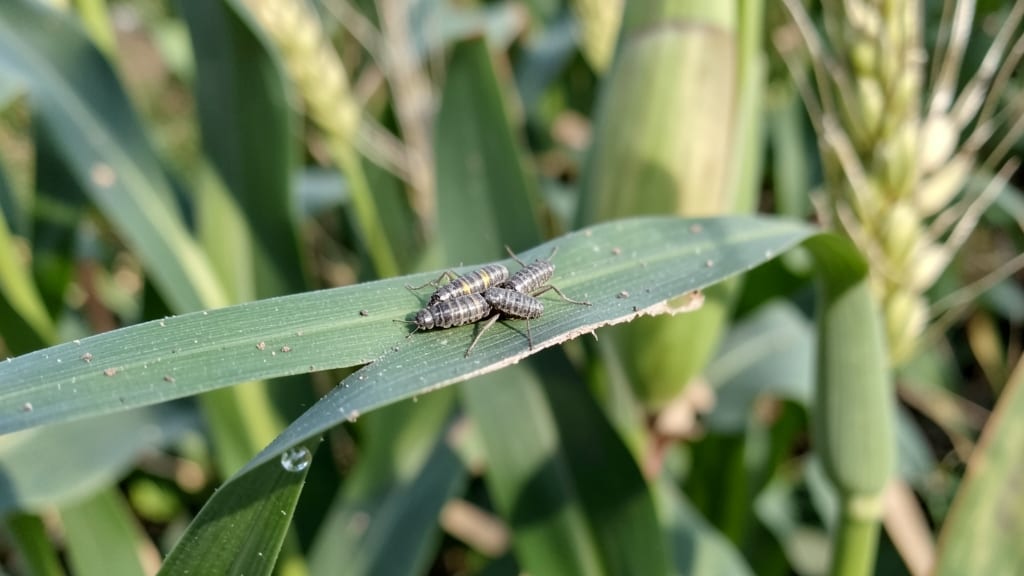
Bugs on corn plants can turn your golden harvest into a chewed-up disappointment faster than you think. 🌽 Last summer, I watched my sweet corn go from silky perfection to ragged husks in just three days—until I learned the early signs and how to fight back naturally.
The key is catching them before they tunnel into ears or strip leaves bare.
Most corn pests—like corn earworms, Japanese beetles, or aphids—leave telltale clues: silken webs, tiny holes, or sticky residue on leaves. These bugs thrive when corn plants are stressed, so healthy soil and proper spacing make all the difference.
I’ve found that neem oil sprays work best for young larvae, while row covers stop beetles before they even land.
You’ll reclaim your corn patch by focusing on prevention first: rotate crops yearly, plant trap crops like buckwheat nearby, and check plants every 3-4 days during peak season. The payoff? Plump, worm-free ears ready to harvest—no more sad, half-eaten surprises.
Works for backyard gardens, small farms, or even container-grown corn. Let’s get those pests under control before they ruin your harvest.
Root Causes of Plant Invaders
When tiny critters start feasting on your corn plants, it’s rarely just bad luck—it’s usually a mix of environmental cues, plant health, and pest behavior. Understanding why these bugs show up helps you stop them before they turn your crop into a buffet.
Here’s a breakdown of the most common triggers:
Healthy corn plants naturally produce compounds that deter pests, but when they’re stressed, bugs take notice. Here’s how it happens:
- Nutrient Deficiencies: Corn lacking nitrogen, potassium, or phosphorus becomes softer and more appealing. Example: Yellowing leaves (nitrogen deficiency) signal to corn earworms that the plant is vulnerable.
- Water Stress: Overwatering or drought weakens cell walls, making plants easier to chew through. Fun fact: Some beetles actually prefer slightly wilted leaves!
- Disease Pressure: Fungal or bacterial infections (like Fusarium) create entry points for pests. Example: Aphids flock to corn with powdery mildew because the fungus alters the plant’s scent.
💡 Pro Tip: Test your soil and rotate crops every 3 years to prevent nutrient depletion and disease buildup.
Pests don’t just appear—they’re lured by specific conditions. These are the top environmental red flags:
| Factor | How It Attracts Bugs | Solution |
|---|---|---|
| Warm, Humid Weather | Corn earworms and fall armyworms thrive in temps above 75°F (24°C). Warmth speeds up their metabolism, increasing reproduction rates. | Use row covers early in the season to block egg-laying. |
| Weeds & Debris | Overgrown fields provide hiding spots for pests like corn rootworms, which lay eggs in soil near weeds. | Mulch with straw to suppress weeds and dry out egg-laying zones. |
| Monoculture Farming | Planting corn year after year exhausts natural predators (like parasitic wasps) and creates a pest “highway.” | Interplant with marigolds or sorghum to disrupt pest cycles. |
✨ Key Insight: Bugs follow moisture too—drain soggy areas to reduce egg survival rates.
Some bugs time their attacks to corn’s growth stages. Here’s how their biology aligns with your crop:
- Early Season: Corn rootworms hatch when seedlings emerge (May–June) and burrow into stems. Their larvae thrive in warm, moist soil.
- Tasseling Stage: Corn earworms (aka “tomato fruitworms”) are drawn to silking corn because the plant’s sugars peak during pollination.
- Late Season: Fall armyworms migrate north in August–September, targeting stressed or mature corn.
🎯 Actionable Fix: Monitor your corn’s growth stages and set up pheromone traps in June to catch earworm moths before they lay eggs.
By addressing these root causes—whether it’s fortifying plant health, tweaking your environment, or outsmarting pest biology—you’ll make your corn less of a target. Next up: How to Spot Them Early.
Quick Fixes for Corn Plant Pests
Corn plants can become a buffet for pests, but with the right approach, you can restore their health—naturally and effectively. Below are targeted solutions for common bugs, from immediate fixes to long-term prevention.
👨🍳 Cause: Tiny caterpillars (earworms) tunnel into ears, ruining harvests. 🔪 Fix: Act fast with these steps:
- Handpick & Destroy
- Inspect silks and ears daily.
- Pro tip: Do this early morning when bugs are sluggish.
- Natural Sprays (Safe & Effective) - BT (Bacillus thuringiensis): A microbial spray that kills caterpillars without harming plants. Apply every 7–10 days during peak season. - Neem Oil Spray: Mix 1 tbsp neem oil + 1 tsp dish soap in 1 quart of water.
Spray evenly on leaves and silks at dusk.
- Physical Barriers
- 🧵 Cover ears with corn husks tightly or use paper bags over silks to block egg-laying.
👨🍳 Cause: Tiny sap-suckers weaken plants, causing yellowing and sticky residue (honeydew). 🔪 Fix: Knock them out with these low-toxicity methods:
- Blast Them Off
- 💦 Strong water spray (hose on high setting) dislodges aphids. Do this every 2–3 days for severe infestations.
- Soap & Oil Sprays
- Insecticidal Soap: Mix 1 tbsp castile soap in 1 quart of water. Spray directly on pests (avoid blooms).
- Horticultural Oil: Apply early morning or late evening to smother mites.
- Encourage Predators
- Ladybugs, lacewings, and parasitic wasps love aphids. 🌿 Plant dill, fennel, or marigolds nearby to attract them.
👨🍳 Cause: Larvae chew roots, stunting growth and causing wilting. 🔪 Fix: Break their life cycle with crop rotation + traps:
- Rotate Crops
- Never plant corn in the same spot for 3+ years. Rootworms target corn—switch to beans, peas, or grasses instead.
- Trap Crops
- Plant a small patch of early-maturing corn as a "decoy." 🌽 Remove and destroy it before rootworms spread to main plants.
- Beneficial Nematodes
- 🔬 Apply Steinernema carpocapsae (a natural soil-dwelling predator) to kill larvae. Water well after application.
💡 *Pro tips to stop bugs before they start:
- 🌱 Healthy Soil = Strong Plants
- Test soil pH (aim for
- Pick corn
- Remove
✨ Final Note: Consistency is key! Check plants weekly, especially during silking and tasseling stages, when pests are most active. With these methods, your corn will stay strong, pest-free, and ready for harvest!
Frequently asked questions about corn plant pests
What are the most destructive bugs that attack corn plants?
Corn earworms (tomato fruitworms) are the top culprits, tunneling into ears and causing major damage. Japanese beetles and corn rootworms also rank high, with rootworms attacking stems while beetles skeletonize leaves. Aphids and fall armyworms are common too, especially in humid climates.
How do I tell if my corn plants have pests before harvest?
Look for silken webs in husks (earworms), tiny holes in leaves (beetles), or sticky honeydew residue (aphids). Check silks for eggs or larvae daily during peak season. Wilting or stunted growth often signals rootworms. Early detection is key to saving your crop!
Are there organic ways to control corn pests without chemicals?
Use neem oil or BT (Bacillus thuringiensis) sprays for caterpillars, and handpick beetles early morning. Row covers block egg-laying, while beneficial nematodes target rootworms. Planting marigolds or basil nearby also repels pests naturally.
When should I start treating my corn plants for pests?
Begin monitoring as soon as silks appear (earworm season) and continue until harvest. For rootworms, treat at planting with nematodes or rotate crops. Japanese beetles peak in July-August, so watch for leaf damage then. Prevention is easier than cleanup!
Can I still save my corn if pests have already damaged the ears?
Maybe! If only a few kernels are damaged, those ears may still be edible (trim affected areas). For severe cases, focus on saving next year's crop: remove all plant debris, rotate crops, and use row covers early. Some varieties (like 'Golden Bantam') are more resistant.