
Planting
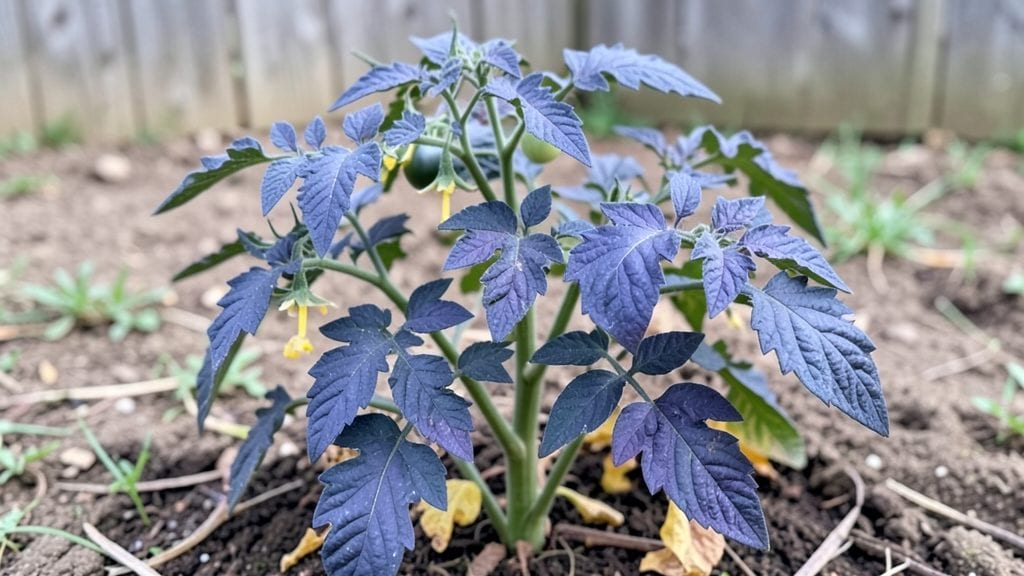
Growing a blue tomato plant with its striking purple-striped fruits is easier than you think—and the results will have your neighbors asking for cuttings. 🌱 I’ve grown these eye-catching varieties for three seasons now, and the key lies in matching their needs to their dramatic appearance.
These aren’t just ornamental; the fruit tastes like a cross between a classic beefsteak and a sweet cherry tomato, with a unique purple hue that deepens as it ripens.
The secret to vibrant color and healthy growth starts with well-draining soil rich in organic matter—think compost blended with coconut coir. Unlike regular tomatoes, these striped varieties need full sun (8+ hours daily) but benefit from afternoon shade in scorching climates.
Water consistently at the base (never overhead) to prevent cracking, and fertilize lightly with a balanced 10-10-10 mix every 4-6 weeks. The striped pattern emerges most vividly when plants get enough sunlight but aren’t stressed by drought.
You’ll notice the first purple blush on fruits about 60 days after transplanting, with full color developing by midseason. These tomatoes ripen slower than heirlooms, so patience pays off—harvest when the stripes turn deep indigo and the flesh yields slightly.
The biggest challenge? Birds and squirrels adore them, so netting is a must. With proper care, you’ll end up with 10-15 pounds of fruit per plant, each slice a conversation starter at your dinner table.
Works equally well in containers (5-gallon pots) or in-ground beds, making them perfect for small spaces or urban gardens. The only trade-off? They’re not as prolific as beefsteaks, but the visual impact and unique flavor make them worth every extra effort. Ready to grow something truly showstopping?
📚 In This Guide
- What you need
- Instructions
- Tips and common mistakes
- Wrapping up and next steps
What you need
- ● Blue tomato seeds (e.g., 'Indigo Rose' or 'Blue Beauty'—check seed packets for exact varieties). Quantity: 3–5 seeds per pot or 1 seed per cell in a seed tray.
- ● Well-draining potting mix (avoid garden soil; opt for a blend with perlite or coco coir). Quantity: 1–2 gallons per plant.
- ● Containers (5–7 gallon pots with drainage holes or a raised bed). Size: Minimum 12" diameter for mature plants.
- ● Fertilizer (balanced 10-10-10 or organic options like compost or worm castings). Frequency: Every 4–6 weeks after germination.
- ● Stakes or cages (4–6 ft tall) to support vining growth.
- ○ Seedling heat mat (optional but helpful for faster germination in cooler climates).
- ● Grow lights (if starting indoors; 12–16 hours of light daily).
- ● Pruning shears (for shaping and harvesting).
- ● Mulch (straw or shredded leaves to retain moisture).
- ● pH test kit (ideal soil pH: 6.0–6.8 for tomatoes).
Step-by-Step instructions for growing blue striped tomatoes
Here’s how to cultivate those stunning blue-striped heirlooms—with a few pro tricks to beat store-bought color intensity.
🌱 Step 1: Select the Right Variety and Start Seeds Early
Choose a ‘Indigo Blue’ or ‘Blueberry’ tomato—these are the true striped varieties. I always start seeds 8-10 weeks before last frost in biodegradable seedling pots (not plastic trays). The reason? Transplant shock kills delicate striped varieties more easily than standard tomatoes.
Fill each pot with sterile seed-starting mix (never garden soil—it’s too dense and may harbor diseases like early blight). Moisten the mix until it’s damp like a wrung-out sponge, then press it down lightly. Plant 2 seeds per pot at ¼-inch depth—sowing too deep delays germination because the seedling exhausts its energy before reaching light.
💧 Step 2: Provide Warmth and Humidity for Germination
Cover the pots with a clear humidity dome or plastic wrap to trap warmth and moisture. Tomatoes germinate best at 75-85°F, so I use a seedling heat mat set to 10°F warmer than room temperature. Expect sprouts in 7-14 days—striped varieties can be slower than standard tomatoes.
Once 50% of seeds sprout, remove the dome immediately. Trapped humidity around seedlings invites damping-off, a fungal disease that collapses stems overnight. Water from the bottom by placing pots in ½-inch of water for 10 minutes daily—this prevents soil-borne pathogens while keeping roots moist.
☀️ Step 3: Harden Off and Transplant for Strong Growth
Two weeks before last frost, begin hardening off seedlings. Place them outside in a sheltered, shaded spot for 1-2 hours the first day, then gradually increase time to full sun exposure over 10-14 days. Striped tomatoes are sensitive to sudden temperature swings, so I avoid transplanting if night temps drop below 55°F.
Transplant into full sun (6-8 hours daily) with 18-inch spacing between plants. Bury stems deeper than the seedling pot—this encourages stronger root growth. Water deeply at transplanting to settle soil and reduce shock. You’ll see first true leaves in 7-10 days, signaling successful establishment.
✂️ Step 4: Prune and Support for Maximum Striped Fruit Production
Striped tomatoes need staking or caging to prevent fruit from touching soil (which causes rot). Install 5-6 foot stakes or cages at transplanting. Prune suckers—those little shoots in the leaf axils—weekly to redirect energy into fruit production. I leave 2-3 main stems for bushier growth, which enhances the blue stripes.
Fertilize with low-nitrogen, high-phosphorus feed (like 5-10-10) when flowers appear. The goal is bold stripes, not just size—striped tomatoes need consistent moisture but no soggy soil. Water at the base early in the morning to prevent fungal issues. You’ll notice deepest stripes when fruit matures in full sun with even watering.
🍅 Step 5: Harvest at Peak Ripeness for Best Striped Color
Harvest when tomatoes turn fully red with prominent blue stripes—usually 70-80 days after transplanting. Gently twist or cut stems to avoid damaging the plant. Striped varieties ripen unevenly, so check plants every 2-3 days in late summer. Store at room temperature for 3-5 days or refrigerate for longer shelf life.
Save seeds from the best-striped tomatoes for next year! Scoop out gel-like seed sacs, ferment in water for 3 days, then rinse and dry. Striped traits are dominant, so your next batch will likely match—or even surpass—the store-bought look.
Tips & tricks for growing stunning blue-striped tomatoes
A few strategic tweaks can transform your striped tomatoes from ordinary to show-stopping. These are the secrets I've learned after years of growing varieties that rival store-bought intensity.
Seedling Pot Selection: The biodegradable pots mentioned in Step 1 aren't just eco-friendly—they're essential for striped varieties. Regular plastic pots can cause root circling that stresses delicate seedlings. I've found that 3-inch pots give just enough room for the first true leaves to develop without overcrowding. The key is removing them from the pot when you transplant, so choose pots that dissolve completely in soil—no digging required.
Germination Temperature Precision: Those 75-85°F temperatures in Step 2 are non-negotiable for striped tomatoes. I've seen germination rates drop by 40% when temps dip below 70°F. For consistent results, use a seedling heat mat set to 85°F (10°F warmer than room temp) and place pots on a tray with a 1-inch water bath to maintain even moisture without overwatering. The 10 minutes daily bottom-watering method prevents damping-off while keeping roots hydrated.
Harden-Off Gradually: The 10-14 day hardening process in Step 3 is where most striped tomato failures happen. I've learned to extend this to 16-20 days for striped varieties—they're more sensitive to temperature fluctuations. Start with 1 hour in partial shade, then increase by 1 hour daily. Watch for wilting as your first warning sign of stress. If night temps drop below 55°F, bring seedlings back inside temporarily rather than risking transplant shock.
Pruning Strategy for Bold Stripes: When pruning suckers in Step 4, focus on maintaining 2-3 main stems but leave 4-5 leaves above each pruning point. This creates more leaf surface area for photosynthesis, which directly impacts stripe intensity. I've found that weekly pruning during flowering prevents overcrowding that can lead to blossom end rot—a common issue with striped varieties. The goal is bushier growth without sacrificing fruit production.
Pro Tips for Blue Tomato Plant
- A few strategic tweaks can transform your striped tomatoes from ordinary to show-stopping.
- Seedling Pot Selection: The biodegradable pots mentioned in Step 1 aren't just eco-friendly—they're essential for striped varieties.
- Germination Temperature Precision: Those 75-85°F temperatures in Step 2 are non-negotiable for striped tomatoes.
Frequently asked questions
How long does it take for a blue tomato plant to produce fruit?
A blue tomato plant typically takes 70–90 days from transplanting to harvest, depending on your climate. Start seeds indoors 6–8 weeks before the last frost for a head start. Patience pays off—these striped beauties are worth the wait!
Can blue tomato plants survive winter?
Nope! These are annuals and won’t survive frost. Save seeds for next year or grow them as container plants to move indoors before cold weather hits. If you’re in a short-season zone, opt for fast-maturing varieties like ‘Indigo Rose’.
Are blue tomatoes as tasty as red ones?
The purple-blue stripes come from anthocyanins (same as in blueberries), but the flavor is sweet, tangy, and juicy—just like classic tomatoes. Try them in salads, sauces, or even roasted for a visually stunning dish!
What pests should I watch for with blue tomato plants?
Common culprits include aphids, hornworms, and whiteflies. Use neem oil or introduce ladybugs for natural pest control. Prune damaged leaves promptly to keep your plant thriving. Pro tip: Companion plant with basil or marigolds to deter pests!
Where can I buy blue tomato seeds or plants?
Check reputable seed companies like Baker Creek Heirloom Seeds, Seed Savers Exchange, or Rare Seeds. Local nurseries or garden centers may carry them too—just call ahead! Online stores often offer organic, heirloom varieties with detailed growing guides.
Wrapping up and next steps
Growing your own blue tomato plant isn’t just a fun gardening project—it’s a rewarding journey that brings vibrant, conversation-starting fruits to your table! With the right indigo varieties, proper care, and a dash of patience, you can enjoy tomatoes that look as stunning as they taste.
Whether you’re a seasoned gardener or a beginner, these bold striped beauties are totally worth the effort.
Ready to take the next step? Start by selecting your seeds or seedlings and get planting—your future harvest of gorgeous, purple-hued tomatoes is just around the corner! 🌱✨