
Pruning
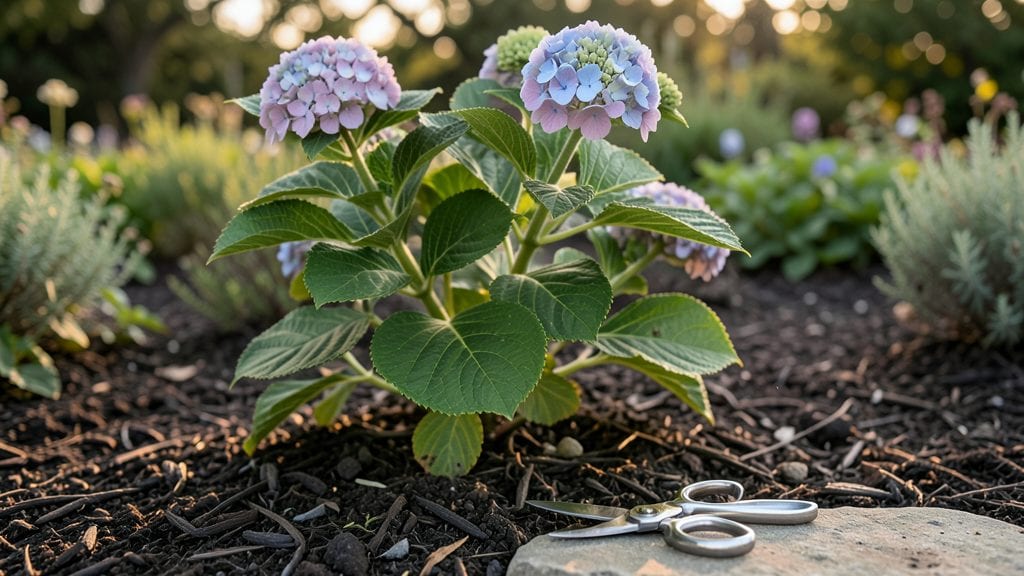
Pruning hydrangea plants at the best time can transform your garden from a so-so display to a showstopper of vibrant blooms.
Pruning hydrangeas at the wrong time can mean the difference between stunning summer blooms and sparse, underwhelming flowers—so timing is everything.
Most gardeners wait until late winter or early spring, but the exact approach depends on your hydrangea type—whether it’s mophead, panicle, or oakleaf. Get it wrong, and you might sacrifice next season’s blooms entirely.
This guide breaks down the science of when, why, and how to prune hydrangeas for maximum summer color, while avoiding common mistakes that even experienced gardeners make.
When to prune hydrangeas by type: late winter deadheading vs. renewal pruning
Pruning hydrangeas isn't a one-size-fits-all task—each variety has its own bloom cycle and pruning needs.
The key is understanding whether your hydrangea blooms on old wood (last year's growth) or new wood (current year's growth). Late winter is the magic window for most pruning, but timing and technique vary wildly between types.
For example, cutting back your mophead hydrangea at the wrong time could mean no flowers next summer, while panicle hydrangeas actually thrive when pruned aggressively. Let's break down the exact approach for each type so you can confidently wield your pruners without guessing.
Here's the critical distinction: Old-wood bloomers (like mophead and oakleaf) set their flower buds in late summer—so pruning too early removes next year's blooms. New-wood bloomers (like panicle and smooth) produce flowers on current season's growth, so late winter pruning encourages bigger, fuller blooms.
The late-winter deadheading technique for rebloomers is different from renewal pruning for old-wood types. Knowing which category your hydrangea falls into determines whether you should prune lightly or go bold with your cuts.
| Hydrangea Type | Bloom Cycle | Best Pruning Time | What to Cut Back | Why This Matters | Late-Winter Deadheading Tips |
|---|---|---|---|---|---|
| Mophead (H. macrophylla) | Old wood | Late winter (Feb-Mar) | 1/3 of oldest stems at base | Preserves flower buds set last summer | Prune just after buds swell (March) |
| Panicle (H. paniculata) | New wood | Late winter (Feb-Mar) | Half of all stems at base | Encourages larger blooms on new growth | Cut back to strong outward-facing buds |
| Oakleaf (H. quercifolia) | Old wood | Late winter (Feb-Mar) | Remove 1/4 of oldest stems | Maintains air circulation and bloom quality | Look for swollen buds at stem base |
| Smooth (H. arborescens) | New wood | Late winter (Feb-Mar) | Cut back 1/3 of stems at base | Promotes dense foliage and blooms | Deadhead spent blooms in early spring |
For mophead hydrangeas (the classic big-ball varieties), late winter is about selective renewal pruning. You'll want to cut back about one-third of the oldest stems to the base while leaving the rest intact.
These stems produce your showstopping blooms on last year's growth, so pruning too aggressively means fewer flowers next season. Look for stems that are thinner and less vigorous—these are the ones to remove.
The goal is to encourage new growth from the remaining stems while preserving next year's flower buds.
If you have panicle hydrangeas (like 'Limelight' or 'Little Lime'), late winter is your chance for bold renewal pruning. These varieties bloom on new wood, so you can cut back half of all stems to the ground.
This aggressive approach actually boosts next year's blooms by redirecting energy to fewer, stronger stems. The key is to cut just above a bud that faces outward—this ensures your new growth will spread nicely rather than growing inward and crowding the center.
Oakleaf hydrangeas are often overlooked but deserve attention for their exfoliating bark and stunning fall color. Like mopheads, they bloom on old wood, so late winter pruning should be gentle yet strategic. Remove about one-quarter of the oldest stems at the base while leaving the rest to carry next year's flowers. These stems are easily identifiable—they're the thinnest and least productive ones. Oakleaf hydrangeas also benefit from shaping cuts to maintain their natural, slightly wild form.
Finally, smooth hydrangeas (like 'Annabelle') are the rebloomers of the group, producing flowers on both old and new wood. Late winter pruning for these involves cutting back one-third of all stems to encourage both early-season blooms (from old wood) and late-season reblooms (from new wood).
The trick is to deadhead spent blooms in early spring to redirect energy into new growth. This variety is the
Step-by-step late winter pruning: tools, techniques, and mistakes to avoid
Late winter is the perfect time to prune your hydrangeas for a burst of summer blooms, but the method varies by type. For mophead and oakleaf varieties, you’ll focus on renewal pruning—cutting back one-third of the oldest stems to encourage fresh growth.
Meanwhile, panicle and smooth hydrangeas thrive with harder cuts, removing up to half of the previous year’s growth. The key is to act before new buds swell, typically in February or March, depending on your USDA zone.
Without this timing, you risk pruning off next year’s flower buds entirely.
Before you begin, gather your tools: a sharp pair of bypass pruners for thin stems, loppers for thicker branches, and gloves to protect your hands from thorns. You’ll also want disinfectant to clean tools between cuts and a measuring tape to ensure you’re cutting at the right nodes.
Skipping these prep steps can lead to jagged cuts, disease spread, or accidental over-pruning. Take your time—hydrangeas reward patience with vibrant, abundant blooms.
⚠️ callout warning
⚠️ Critical Timing Mistake: Never Prune in Fall!
Pruning hydrangeas in fall or early winter removes the flower buds that formed over summer. These buds are your plant’s promise of next year’s blooms! For old-wood bloomers (like mopheads), wait until late winter when buds are visible but haven’t yet swollen. For new-wood bloomers (like panicles), you can prune slightly later—but never after mid-spring.
Start by removing any dead, diseased, or crossing branches—these compete for resources and can harbor pests. Use your pruners to make clean cuts at a 45-degree angle, about 1/4 inch above a bud or node. This angle helps water run off, reducing rot risk.
For mophead hydrangeas, select the 3-5 strongest stems and cut them back to 1/3 of their height, leaving 2-3 sets of buds on each stem. This balance ensures airflow and prevents fungal issues while stimulating new growth.
If you’re working with panicle hydrangeas, take a bolder approach: cut back half of the plant’s stems to the ground. These varieties bloom on new wood, so they handle pruning better and often produce larger, more abundant flowers as a result.
Always step back occasionally to check your shape and balance
One of the biggest mistakes gardeners make is cutting too close to the ground or bare wood. Always leave 2-3 sets of buds on each stem—these are your plant’s growth points for next season. Another common error is pruning at the wrong angle or with dull tools, which tears stems and invites disease. After pruning, clean up debris from the base of the plant and apply a layer of mulch to protect roots as temperatures fluctuate. This step is often overlooked but critical for recovery. Finally, resist the urge to prune reblooming hydrangeas in late summer or fall—this can trigger new growth that won’t harden off before winter. Instead, wait until late winter to deadhead spent blooms and shape the plant for the coming season. With the right tools, techniques, and timing, your hydrangeas will reward you with showstopping blooms that last from summer through fall. 🌸