
Companion Plants
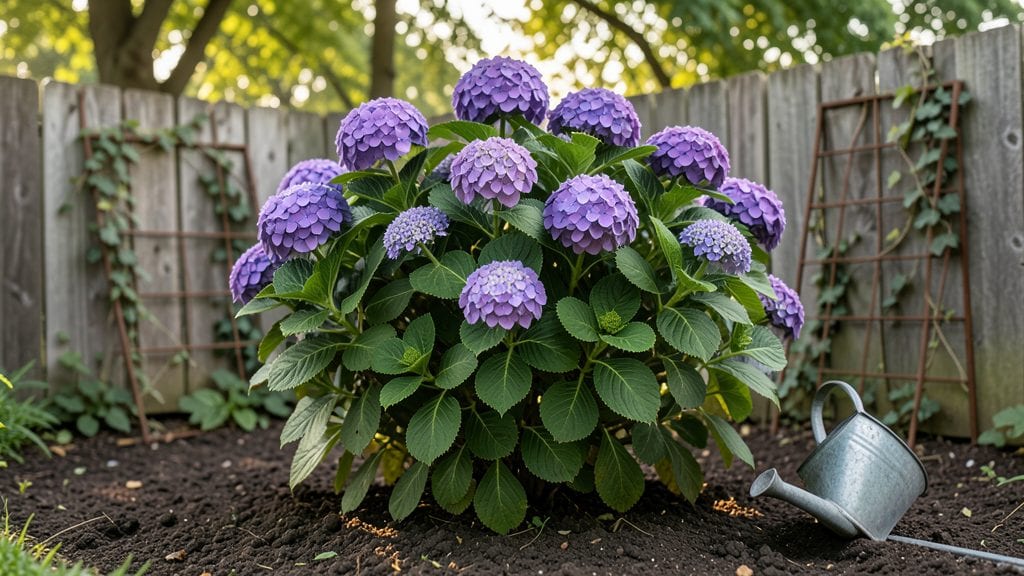
The purple hydrangea plants I’ve nurtured for years hold the secret to that dreamy, jewel-toned magic—if you master soil pH, pruning, and a few other tricks. 💜 timing, and a few other key tricks most gardeners miss.
The right conditions turn hydrangeas into year-round stars. Start with well-draining, acidic soil (aim for a pH of 5.0–5.5) and place them where they get morning sun and afternoon shade—too much direct sun can fade their color.
Varieties like 'Nikko Blue' and 'Endless Summer' thrive with consistent moisture, so mulch well to keep roots happy.
Pruning is where the magic happens. Cut back old wood in late winter for varieties like 'Oakleaf,' while reblooming types need a lighter touch in early spring.
Done right, you’ll see those deep purples emerge by midsummer and last well into fall. The payoff? A garden that looks like a postcard all season.
Even in tough climates, these plants adapt—just adjust watering in drought and protect from late frosts. With the right care, your purple hydrangeas will be the envy of the neighborhood. Let’s get those blooms popping!
📚 In This Guide
- What you need
- Instructions
- Tips and common mistakes
- Wrapping up and next steps
What you need
- ● Purple Hydrangea Plants: Choose between Hydrangea macrophylla (mophead or lacecap varieties) or Hydrangea paniculata (like 'Limelight' or 'Nikko Blue'). Buy 3–5 healthy plants (or seeds if starting from scratch).
- ● Well-Draining Soil: Mix 2 parts garden soil with 1 part peat moss or coconut coir and 1 part perlite/sand for optimal drainage. pH 5.2–6.0 is ideal for purple blooms!
- ● Organic Fertilizer: Use a balanced, slow-release fertilizer (10-10-10) or a hydrangea-specific formula (apply in early spring).
- ● Mulch: 2–3 inches of pine bark or shredded leaves to retain moisture and regulate soil temperature.
- ● Garden Gloves (to protect your hands from thorns and soil).
- ● Trowel or Spade (for planting and soil prep).
- ● Pruning Shears (sharp, bypass-style for clean cuts).
- ● Watering Can or Hose (with a gentle spray nozzle to avoid damaging blooms).
- ● pH Test Kit (to monitor soil acidity for vibrant purple flowers).
- ● Epsom Salt (for magnesium boosts—dissolve 1 tbsp per gallon of water monthly).
- ● Aluminum Sulfate (to enhance purple hues—follow package instructions).
- ● Stakes or Trellis (for support if growing large varieties like 'Endless Summer').
- ● Drip Irrigation System (for consistent moisture in hot climates).
Instructions for cultivating purple hydrangeas year-round
Here's how to coax vibrant purple blooms from your hydrangeas—no matter the season.
🌱 Step 1: Select the Right Variety and Planting Site
Choose a mophead or lacecap hydrangea with purple potential like 'Nikko Blue' or 'Endless Summer'—these respond best to soil pH adjustments. Plant in partial shade (morning sun, afternoon shade) to prevent leaf scorch while encouraging deep purple hues. The ideal spot gets 4-6 hours of sunlight daily but avoids harsh afternoon rays.
Dig a hole twice as wide as the root ball but only as deep—hydrangeas hate being buried too deep. Mix the excavated soil with 2 inches of compost from your materials list to improve drainage and nutrient retention. Gently loosen the roots if they're circling before placing the plant in the hole.
☀️ Step 2: Master Soil pH for Purple Blooms
Test your soil's pH—hydrangeas turn purple only when the soil is acidic (5.0-5.5). If your test shows higher, amend with 1 pound of sulfur per 100 square feet (sprinkle evenly and water in). For existing plants, work 1 cup of aluminum sulfate into the top 6 inches of soil around the base—this is what triggers the purple pigment.
Mulch with 3 inches of pine bark or peat moss (from your supplies) to maintain acidity and retain moisture. Avoid wood chips—they can raise pH over time. Water deeply after amending to help the soil adjust.
💧 Step 3: Water and Fertilize for Consistent Color
Water once weekly during dry spells, delivering 1 gallon per plant at the base—never overhead. Wet leaves invite fungal diseases that dull bloom color. Use a slow-release fertilizer (like the 10-10-10 blend in your supplies) in early spring and again after flowering to support vibrant blooms. Scatter 1 tablespoon per plant and water in thoroughly.
Yellowing leaves? You're overwatering. Purple hydrangeas need moist but well-drained soil—think "damp sponge," not swamp. Stick your finger 2 inches deep—if it's soggy, wait before watering again.
✂️ Step 4: Prune for Season-Long Blooms
Prune mophead varieties in late winter or early spring (before buds swell) to remove dead wood and shape the plant. Cut back last year's blooms to the first set of healthy buds—this encourages both old-wood and new-wood flowers for continuous color. For lacecap types, prune only to remove dead stems in late winter—they bloom on old wood.
Never prune in fall—you'll cut off next year's flower buds. Use clean, sharp shears (disinfect with rubbing alcohol first) to make cuts at a 45-degree angle just above a leaf node. Remove any stems that cross or rub against others to improve air circulation.
🪴 Step 5: Overwinter for Next Year's Purple Display
In Zone 5 or colder, wrap the base of young plants with burlap (from your supplies) and mound 4 inches of mulch around the stems to insulate roots. Older plants need less protection—just a 2-inch mulch layer will suffice. Water sparingly in winter (only if the ground is frozen) to prevent root rot from spring thaw.
In Zones 6-9, no special winter care is needed beyond removing dead foliage in late winter. The key to year-round purple is consistent soil acidity—retest pH in early spring and re-amend if needed. Purple hydrangeas reward patience with bold color from summer through fall.
Tips & tricks for perfect purple hydrangea cultivation
These game-changing tips will help you unlock vibrant purple blooms that last all season long.
Soil Acid Test: Don't guess about your soil's pH—pick up a simple test kit from your local garden center for just a few dollars. The color change is instant, and you'll know exactly whether to add 1 pound of sulfur per 100 square feet or if your soil is already perfectly acidic (5.0-5.5). I learned this the hard way after adding too much aluminum sulfate and getting burnt roots!
Sunlight Strategy: That 4-6 hours of sunlight window is crucial for purple development. If your garden gets intense afternoon sun, consider planting near a north-facing wall or under a deciduous tree that provides shade during summer months. The morning sun gives them energy while protecting those delicate purple blooms from fading.
Pruning Precision: When pruning mophead varieties in late winter, look for the first set of healthy buds just below last year's blooms. These buds are your roadmap—cutting just above them ensures both old-wood and new-wood flowers. For lacecap types, be extra gentle—these bloom only on old wood, so you're limited to removing just the dead stems. I've seen gardeners accidentally prune away next year's flowers by cutting too aggressively!
Winter Protection: In Zone 5, that 4-inch mulch layer around young plants makes all the difference. I've seen purple hydrangeas survive harsh winters with just this extra insulation. For older plants, even the 2-inch layer helps prevent frost heave that can damage roots. Remember to water sparingly only if the ground is frozen—hydrangeas hate soggy roots in winter.
Pro Tips for Purple Hydrangea Plants
- These game-changing tips will help you unlock vibrant purple blooms that last all season long.
- Soil Acid Test: Don't guess about your soil's pH—pick up a simple test kit from your local garden center for just a few dollars.
- Sunlight Strategy: That 4-6 hours of sunlight window is crucial for purple development.
Frequently asked questions
Got questions about keeping your purple hydrangeas thriving?
Here are answers to the most common queries—from pruning puzzles to color secrets!
When is the best time to prune purple hydrangeas?
Prune after flowering in late summer or early fall (September–October) for next year’s blooms. If your hydrangea blooms on old wood (like Endless Summer varieties), avoid spring pruning—you’ll cut off next year’s flowers! For new wood bloomers (like Panicle types), prune in late winter/early spring.
Why are my purple hydrangeas turning green or pink?
Hydrangea color shifts with soil pH! Blue/purple = acidic soil (pH < 6.0). To keep them vibrant, amend soil with sulfur or cottonseed meal. Need pink/red? Add lime to raise pH. Test soil every 2–3 years for accuracy.
How much should I cut back my hydrangeas?
For old wood bloomers (like Hydrangea macrophylla), trim only dead or overcrowded stems—never more than ⅓ of the plant. For new wood types (like Panicle or Oakleaf), prune 1–2 feet from the ground to encourage bushier growth. Pro tip: Use clean, sharp shears to avoid tearing stems!
Can I grow purple hydrangeas in containers?
Choose compact varieties like ‘Little Lime’ or ‘Endless Summer’ for pots. Use a well-draining mix (50% potting soil, 30% perlite, 20% peat moss) and a 15–20 gallon container for stability. Water deeply 2–3x/week and fertilize monthly with acid-loving plant food.
What pests or diseases should I watch for?
Common issues include:
- Aphids: Spray with soapy water or introduce ladybugs.
- Powdery mildew: Improve airflow and apply neem oil.
- Leaf spot: Remove infected leaves and avoid overhead watering.
- Slugs/snails: Set out beer traps or use copper barriers.
Prevent problems with 3–4 inches of mulch and regular inspections!
Wrapping up and next steps
Growing purple hydrangea plants is a rewarding journey that brings vibrant color and lush beauty to your garden year-round—with the right pruning and care! 🌸 Whether you’re a seasoned gardener or just starting, these secrets from the pros will help you cultivate stunning blooms and keep your plants thriving.
Now that you’re armed with expert tips, roll up your sleeves and give your hydrangeas the love they deserve—your future garden will thank you!
💡 Next step: Pick a sunny spot, grab your pruners, and start transforming your outdoor space into a purple paradise! Check out our planting guide for a head start.