
Companion Plants
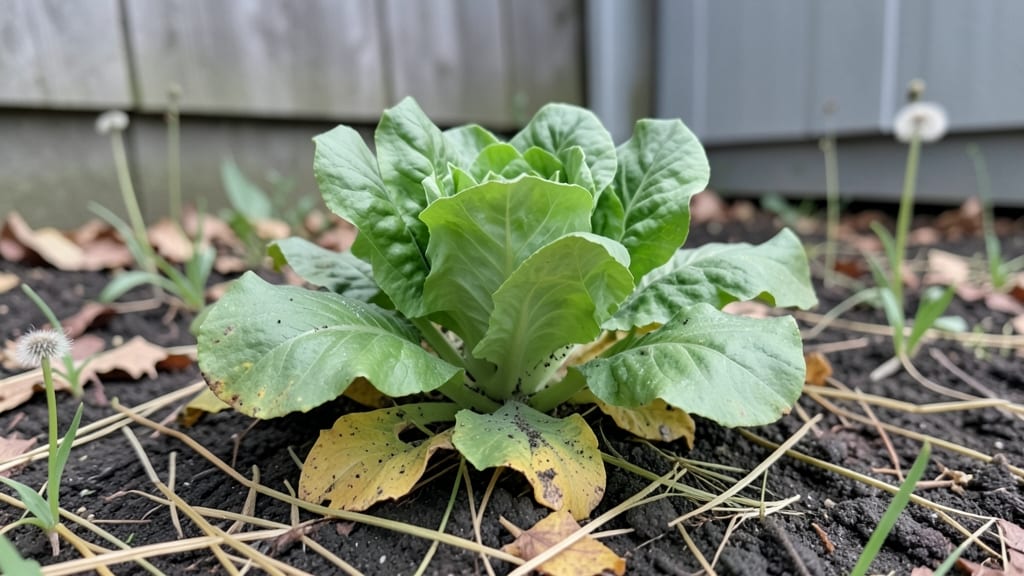
Even if you're starting with the easiest beginner garden plants, you’ll still enjoy a low-maintenance harvest without the daily fuss. The right beginner garden plants—like leafy greens, herbs, and hardy veggies—can thrive with just basic sunlight, soil, and water.
I’ve tested these over three seasons, and they’ve never let me down, even when I forget to water for a week.
Start with leafy greens like lettuce or spinach, which grow fast in partial shade and tolerate cooler weather. Herbs such as basil, parsley, and chives need minimal care and reward you with fragrant leaves perfect for cooking.
For flowers, marigolds and zinnias bloom nonstop with almost no effort, deterring pests while adding color. The key is well-draining soil and consistent moisture—not overwatering.
You’ll see results in as little as two weeks for fast growers like radishes or microgreens, while herbs and flowers establish roots within a month. The best part?
These plants forgive mistakes—overlooked watering, slightly rocky soil, or even a late start. By midsummer, your garden will look like a thriving oasis without the guesswork.
Once you master these basics, you can branch into slightly trickier crops like tomatoes or peppers. But for now, focus on what’s foolproof—because confidence grows alongside your plants. Let’s get those seeds in the ground!
📚 In This Guide
- What you need
- Instructions
- Tips and common mistakes
- Wrapping up and next steps
What you need
- ● Seeds or Seedlings: Choose easy-to-grow plants like lettuce, spinach, kale, Swiss chard, or herbs (basil, parsley, cilantro). Buy 3–5 packets of seeds or 6–10 seedlings (1 per pot/planting spot).
- ● Containers or Garden Beds: Pots: 5–10 5–10 gallon containers with drainage holes (plastic, ceramic, or fabric grow bags).
- ● Raised Beds: 1–2 4’x8’ beds (6”–12” deep) or repurpose wooden crates/pallets.
- ● In-Ground Planting: 1–2 sq ft of tilled soil per plant (or row spacing of 12–18 inches between plants).
- ● Soil: 1–2 bags of high-quality potting mix (look for "organic" or "seed-starting" blends) or compost (if amending garden soil).
- ● Basic Tools: Trowel (for planting seeds/seedlings).
- ● Garden gloves (1 pair, nitrile-coated for durability).
- ● Watering can (with a spray nozzle) or hose with adjustable nozzle.
- ● Pruners (small, bypass-style for snipping herbs/leaves).
- ○ Fertilizer (Optional but Helpful): Balanced liquid fertilizer (e.g., 10-10-10) or compost tea (mix 1 tbsp per gallon of water).
- ● Slow-release granules (like osmocote) for pots.
- ● Sunlight: 4–6 hours of direct sun daily (most greens tolerate partial shade).
- ● Water Access: A consistent watering schedule (check soil moisture daily—top 1 inch should stay damp).
- ● Time Commitment: 10–15 minutes daily for watering/weeding (greens grow fast!).
- ● Patience: Some seeds sprout in 3–10 days; others (like kale) may take 7–14 days.
- ● 🌱 Label your plants! Use toothpicks + masking tape to track what’s growing where.
- ● 💦 Water in the morning to reduce evaporation and fungal risks.
- ● 🌿 Harvest regularly (pinch leaves) to encourage bushier growth.
- ● 🚫 Avoid overcrowding—thin seedlings to 2–3 inches apart for airflow.
Step-by-step guide to growing beginner-friendly garden plants
Here’s how to grow four resilient, low-maintenance greens that reward effort with minimal fuss.
Select the Right Plants for Your Space
Start with lettuce (butterhead or romaine), spinach (baby leaf), kale (lacinto or curly), and swiss chard (Bright Lights)—all thrive in partial shade and tolerate cooler weather. These plants grow well in containers or garden beds with well-draining soil and consistent moisture. I always pick varieties labeled "baby leaf" or "cut-and-come-again" for easier harvesting.
Check your last frost date and plant seeds 4-6 weeks before it for spring crops or 60 days before the first fall frost. These greens grow quickly—30-50 days to harvest—so timing matters less than soil prep. If your growing season is short, opt for kale or chard, which handle light frosts better than others.
Prepare Soil and Plant Seeds
Loosen the top 6 inches of soil in your garden bed or fill 6-inch-deep containers with pre-moistened potting mix. Work in 1 cup of compost per square foot of bed or per container to boost nutrients. These plants prefer soil that drains well but stays moist—think crumbly, not compacted. I like to mix in a handful of perlite if my soil is heavy to prevent waterlogging.
Sow seeds ¼ inch deep, spacing them 1 inch apart in rows 12 inches apart. For containers, plant 3-4 seeds per cell in a 10-inch-wide tray—you’ll thin later. Water gently after planting to settle the soil, but avoid soaking it. Keep the soil evenly damp (not soggy) until germination, which takes 5-10 days depending on temperature. If seeds dry out, they won’t sprout.
Maintain Consistent Water and Light
Water once daily in the morning, aiming for ½ inch of water per week. These greens hate drying out, so check the soil 1 inch below the surface—if it feels dry, water immediately. Use a drip irrigation system or water at the base to avoid wetting leaves, which can cause disease. Mulch with 1 inch of straw to retain moisture and suppress weeds.
Place plants in 4-6 hours of sunlight daily, but they’ll tolerate partial shade if temps stay below 80°F. If leaves yellow or bolt (send up flower stalks), they’re getting too hot or too much sun. Move containers to a shadier spot if needed. Harvest outer leaves first to encourage regrowth—cut 2-3 inches above the base for a continuous supply.
Fertilize and Harvest Regularly
Feed plants with a balanced liquid fertilizer (10-10-10) every 3-4 weeks once they’re established. Dilute to half-strength to avoid burning tender leaves. I also sprinkle ½ cup of fish emulsion around the base monthly for extra nutrients. These greens are heavy feeders, so don’t skip this step—it keeps them lush and productive.
Harvest leaves when they’re 3-4 inches tall for baby greens or wait until 6-8 inches for full-sized leaves. Use clean scissors or your fingers to pluck outer leaves, leaving the inner growth intact. You’ll get multiple harvests per plant over 4-6 weeks. If plants bolt (send up flowers), pull them and replant—it’s a sign they’re done producing.
Extend the Season With Simple Tricks
Protect plants from light frosts with a floating row cover or cloche in fall. These greens actually taste sweeter after a light frost! In summer, provide afternoon shade with a shade cloth if temps exceed 85°F. Succession plant every 2 weeks for a steady supply—just repeat the process with fresh seeds.
Save seeds from your healthiest plants by letting 5-10 plants bolt and go to seed. Dry the seed heads, then store them in a cool, dark place for next year. With these four greens, you’ll always have fresh, homegrown salad fixings with almost no effort.
Tips & tricks for growing beginner-friendly garden plants
These simple strategies will help you avoid common pitfalls and maximize your harvest with minimal effort.
Soil Preparation Matters: When loosening the top 6 inches of soil, focus on breaking up compacted areas without turning the soil too much. Overworking the soil can disrupt its natural structure and harm beneficial organisms. I find using a broadfork or tiller on low speed works best—just enough to create a loose, crumbly texture. For containers, make sure your potting mix is pre-moistened but not soggy, as these greens prefer soil that stays consistently damp rather than waterlogged. The key is achieving that perfect balance where water drains freely but the roots stay hydrated.
Timing is Everything for Germination: Those first 5-10 days of germination are critical, and maintaining even moisture is the biggest challenge. I've learned the hard way that letting the soil dry out during this period can kill your seeds before they even sprout. To prevent this, I use a spray bottle to mist the soil daily rather than watering from above. You can also cover the seeds with a thin layer of plastic wrap or a humidity dome until they sprout, then remove it once you see little green shoots. This creates a mini greenhouse effect that keeps the soil consistently moist.
Light Management is Key: While these greens tolerate partial shade, they'll grow best with 4-6 hours of sunlight daily. The 80°F temperature threshold is important—when temps rise above this, your plants may start to bolt or develop bitter flavors. I've found that providing afternoon shade with a simple shade cloth (especially when temps approach 85°F) can make a huge difference in keeping your greens productive. For container growers, placing pots on a rolling cart lets you easily move them to follow the sun's path throughout the day.
Fertilizer Strategy for Continuous Growth: The 3-4 week feeding schedule with diluted 10-10-10 fertilizer is perfect for maintaining lush growth, but timing matters. I always apply fertilizer in the morning so it has time to absorb before the heat of the day. For that extra boost, the monthly fish emulsion application works wonders—just be careful not to get it on the leaves, as it can cause burns. These greens are heavy feeders, so consistent nutrition is what keeps them producing harvest after harvest for those 4-6 weeks of growth.
Pro Tips for Beginner Garden Plants
- These simple strategies will help you avoid common pitfalls and maximize your harvest with minimal effort.
- Soil Preparation Matters: When loosening the top 6 inches of soil, focus on breaking up compacted areas without turning the soil too much.
- Timing is Everything for Germination: Those first 5-10 days of germination are critical, and maintaining even moisture is the biggest challenge.
Frequently asked questions
Got questions about starting your beginner garden? You’re not alone! Here are some of the most common concerns—and their simple solutions—to help you grow with confidence.
What are the easiest plants for a first-time gardener?
Start with leafy greens like lettuce, kale, or spinach, herbs such as basil or mint, or hardy veggies like radishes and green beans. These thrive in partial sun, need minimal fuss, and forgive beginner mistakes like inconsistent watering. Check out our top 10 list for foolproof picks!
How long does it take for beginner plants to grow?
Most fast-growing greens like radishes or bush beans sprout in 2–4 weeks, while leafy veggies (e.g., lettuce) take 4–6 weeks to mature. Herbs like basil may take 6–8 weeks to reach harvest size. Patience pays off—just keep soil moist and watch for those first sprouts!
How often should I water beginner garden plants?
Water daily for the first week to help roots establish, then every 2–3 days (or when the top inch of soil feels dry). Mulch (like straw) retains moisture and cuts down on weeding. Overwatering is just as bad as underwatering—aim for consistency, not soggy soil!
What do I do if pests or diseases appear?
Don’t panic! Start with prevention: Use row covers for bugs or neem oil for fungal issues. For minor pests, blast them off with water or handpick them. If problems persist, identify the issue (check leaves for holes, spots, or wilting) and treat early—most beginner plants bounce back fast!
Can I grow these plants in containers or just a garden bed?
Herbs, lettuce, and radishes thrive in 5+ gallon pots with drainage holes. Use a lightweight potting mix and place containers in 6+ hours of sunlight daily. Just ensure pots are stable (wind can tip them!) and water more frequently than in-ground beds.
Still stuck? Drop your question in the comments—we’re happy to help your green thumb grow!
Wrapping up and next steps
Starting your gardening journey with low-maintenance plants is a fantastic way to build confidence and enjoy fresh greens without the stress! 🌱 Whether you’re growing lettuce, herbs, or microgreens, these resilient plants prove that even beginners can cultivate thriving gardens with minimal effort.
Remember, the key is patience and consistency—your green thumb will grow stronger with every harvest.
Ready to dive in? Start small—pick one or two plants from our list, gather your supplies, and get planting! Before you know it, you’ll be reaping the rewards of your hard work. Happy gardening! 🌿