
Planting
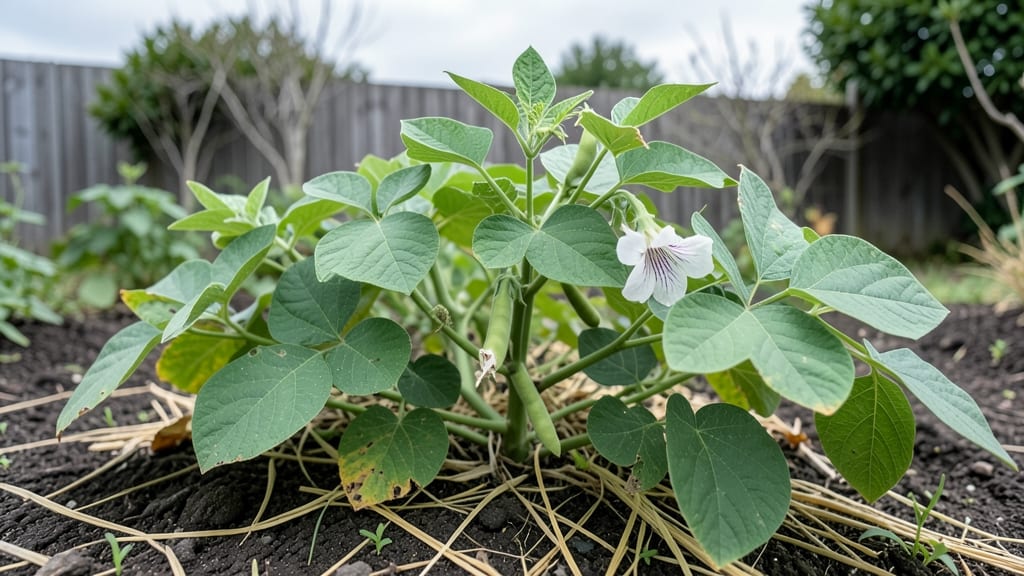
Growing this easy bean and plant from seed to harvest feels like unlocking a foolproof summer staple—something you can do in a small backyard or even a balcony pot. 🌱 I’ve grown everything from bush beans to pole varieties, and the secret to keeping them productive isn’t just planting right—it’s how you manage their growth after those first leaves appear.
The right pruning and support turn a single plant into a lush canopy that produces for months, not weeks.
Start with the basics: 50-degree soil and full sun, then choose your variety—bush beans for quick harvests or pole beans for continuous production. Most beginners overlook soil prep, but amending with compost makes all the difference.
Water consistently (about 1 inch per week) and watch for those first tendrils—then it’s time to stake or trellis. I use simple tomato cages for bush beans and sturdy bamboo poles for poles, and the difference in yield is night and day.
By midseason, you’ll see pods forming every few days if you’ve pruned correctly—pinching back leggy growth and removing spent flowers keeps the plant focused on year-round productivity. The key is balance: too much pruning stunts growth, but skipping it means fewer pods and more bushy mess.
With the right approach, you’ll harvest fresh beans from June through October, and maybe even into frost if you’re lucky.
This method works for containers, raised beds, or in-ground gardens—just adjust spacing and support. Whether you’re growing for snacks, salads, or canning, the payoff is embarrassingly productive. Let’s get those seeds in the ground and turn your garden into a bean bonanza.
📚 In This Guide
- What you need
- Instructions
- Tips and common mistakes
- Wrapping up and next steps
What you need
- ● Seeds: 1–2 lbs of pole bean seeds (e.g., Kentucky Wonder, Blue Lake) or bush bean seeds (e.g., Blue Lake Bush, Contender)
- ○ Optional: climbing plant seeds (e.g., morning glories, nasturtiums) for vertical support and aesthetics
- ● Growing Medium: Well-draining potting mix (5–10 gallons) or garden soil amended with compost (for in-ground planting)
- ○ Perlite or vermiculite (1–2 cups) for improved aeration (optional but recommended)
- ● Containers or Garden Space: 5–10 gallon pots (for container gardening) with drainage holes
- ● OR a sunny garden bed (6+ inches deep, 18+ inches wide per plant)
- ● Support Structures: Trellis, bamboo stakes, or tomato cages (5–6 ft tall for pole beans)
- ● Twine or soft plant ties (for securing vines)
- ● Watering Supplies: Watering can or hose with a gentle spray nozzle
- ○ Drip irrigation kit (optional, for consistent moisture)
- ● Fertilizer: Balanced organic fertilizer (e.g., 10-10-10) or compost tea (follow package instructions)
- ● Pruning Tools: Sharp pruning shears or bypass pruners (for lush canopy maintenance)
- ● Gloves (to protect hands from thorns or rough stems)
- ● Mulch (straw or shredded leaves) to retain moisture and suppress weeds
- ● Plant food (e.g., fish emulsion) for a nutrient boost during flowering
- ● Shade cloth (30–50%) for hot climates to prevent wilting
- ● Grow lights (LED, full-spectrum) if starting indoors before last frost
- ● Pest control: Neem oil or insecticidal soap (for aphids or beetles)
Step-by-step instructions for pruning bean plants for maximum growth
Here’s how to keep your bean plants thriving with strategic pruning—no guesswork, just lush canopies.
🌿 Step 1: Identify the Right Time to Prune
Prune your bean plants when they’re 4-6 weeks old and have developed 4-5 sets of true leaves. This is the sweet spot—young enough to recover quickly, mature enough to support new growth. Avoid pruning during flowering or podding, as this stresses the plant and reduces yield.
I always check for healthy, green foliage and avoid any leaves with yellowing or brown spots. If a leaf looks weak, skip pruning that branch—wait until it recovers. The goal is to encourage bushier growth, not create stress.
✂️ Step 2: Trim Back Leggy Growth
Use clean, sharp pruning shears to snip back any leggy stems—those long, thin branches reaching for light. Cut just above a leaf node (the bump where leaves grow) to encourage new side shoots. Leggy growth means your plant isn’t getting enough light, so adjust its position afterward.
I like to make cuts at a 45-degree angle to prevent water from pooling on the wound. Never trim more than 20% of the plant’s foliage at once—this keeps the plant from going into shock. You’ll see new leaves sprouting within 7-10 days if the plant is healthy.
🌱 Step 3: Thin Out Crowded Foliage
Focus on the plant’s center, where leaves might be growing too close together. Remove any overlapping or inward-facing leaves to improve airflow and sunlight penetration. This prevents fungal diseases and ensures every leaf gets the energy it needs to thrive.
I start at the bottom and work my way up, snipping off any leaves that are blocking sunlight from lower branches. If a branch looks crowded, I’ll trim back the smallest or weakest leaves first. You’ll know you’ve done it right when the plant’s canopy looks open and airy.
☀️ Step 4: Encourage Bushier Growth with Strategic Cuts
After trimming leggy growth, look for the strongest side branches and pinch off their tips. This redirects the plant’s energy into producing more lateral shoots, resulting in a fuller, bushier plant. Focus on branches that are at least 3-4 inches long—shorter ones won’t respond well.
I avoid cutting into the main stem unless absolutely necessary, as this can stunt the plant’s growth. Instead, I target the smaller branches to encourage a balanced shape. Within 2-3 weeks, you’ll see new growth emerging from the nodes where you made cuts.
💧 Step 5: Monitor and Adjust After Pruning
Water your beans deeply right after pruning to help them recover. The roots will need extra moisture to support new growth. Keep the soil consistently moist but not soggy—top inch dry to the touch is the ideal checkpoint.
Move the plant to a spot with 6-8 hours of sunlight daily if it wasn’t already there. Pruned plants often need a little extra light to bounce back. Watch for new leaves emerging within 1-2 weeks, and avoid pruning again until the plant has fully recovered.
Tips & tricks for pruning bean plants like a pro
Here's what I've learned after years of pruning bean plants—these tricks will help you avoid common mistakes and get the bushiest, healthiest plants possible.
Timing is Everything: The 4-6 week window for pruning is critical, but don't rush it. I've seen beginners prune too early when plants are still fragile, and they never recover. Wait until you see those 4-5 sets of true leaves—this is your green light to start. If your plant is flowering or already producing pods, skip pruning entirely until the next growing season. The plant needs all its energy focused on producing beans at that stage.
Tool Prep Matters: Before you even touch your plant, sterilize your pruning shears with rubbing alcohol. I learned this the hard way after transferring a fungal infection from one plant to another. Also, make sure your blades are sharp—dull shears crush stems instead of making clean cuts, which stresses the plant. A quick test: if you can't easily cut through a piece of paper with your shears, they're too dull.
The 20% Rule: Never trim more than 20% of your plant's foliage at once, no matter how tempting it is to give that leggy plant a drastic haircut. I once trimmed 30% off a plant thinking it would help, and it took weeks to recover. The plant needs leaves to photosynthesize and support new growth. If you're unsure, err on the side of caution and trim less. You can always do a second, lighter pruning session in 2-3 weeks if needed.
Post-Pruning Care: That deep watering right after pruning isn't just a suggestion—it's crucial. The roots need moisture to support all that new growth you're encouraging. I've found that adding a balanced liquid fertilizer to the water helps too. Just dilute it to half-strength to avoid burning the roots. Also, keep an eye out for new leaves emerging within 1-2 weeks—they'll be smaller at first but will grow quickly with proper care.
Pro Tips for Bean And Plant
- Here's what I've learned after years of pruning bean plants—these tricks will help you avoid common mistakes and get the bushiest, healthiest plants possible.
- Timing is Everything: The 4-6 week window for pruning is critical, but don't rush it.
- Tool Prep Matters: Before you even touch your plant, sterilize your pruning shears with rubbing alcohol.
Frequently asked questions
Got questions about growing beans and plants for a lush, year-round harvest? You're not alone!
Here are some of the most common queries—plus straightforward answers to keep your green thumb thriving.
How often should I prune my bean and plant canopy for maximum productivity?
Prune your plants every 4-6 weeks during the growing season (spring to fall) to encourage bushier growth and higher yields. For beans, focus on removing yellowing or overcrowded leaves, while for canopy plants, trim back 1/3 of the top growth to promote lateral branching. Always use sterilized tools to avoid disease!
When is the best time to plant beans for a fall harvest?
For a fall harvest, plant beans 80-100 days before your first expected frost. In most U.S. regions, this means sowing seeds in early to mid-summer (June-July). Choose fast-maturing varieties (like 'Contender' or 'Blue Lake') for a reliable crop. Pro tip: Soil temp should be at least 60°F (15°C) for optimal germination!
Can I grow beans and other plants together? What are the best companion plants?
Beans are nitrogen-fixers, making them great companions for heavy feeders like corn, squash, or tomatoes. Avoid planting them near onions, garlic, or fennel, as these can stunt their growth. For canopy plants, pair with herbs like basil or marigolds to deter pests naturally. Interplanting saves space and boosts yields!
Why are my bean leaves turning yellow, and how do I fix it?
Yellowing leaves (chlorosis) usually signal overwatering, nutrient deficiency (like nitrogen or magnesium), or fungal issues. Check soil moisture—beans prefer well-draining soil. Add compost or a balanced fertilizer if needed. For fungal spots, remove affected leaves and spray with neem oil. Rotate crops next season to prevent soil-borne diseases!
What are some low-maintenance alternatives to traditional beans for beginners?
If beans seem tricky, try these easy, high-yielding plants:
- Bush beans: Faster-growing than pole beans, with less need for trellising.
- Lettuce or spinach: Thrives in partial shade under canopy plants.
- Radishes: Ready in 3-4 weeks and tolerates cooler temps.
- Swiss chard: Cut-and-come-again harvests with minimal pruning.
Wrapping up and next steps
From understanding the essentials of bean and plant care to mastering lush canopy pruning, you’re now equipped to nurture thriving, year-round greenery! 🌱 Whether you’re a seasoned gardener or just starting, the key is patience, observation, and a little creativity—your plants will thank you with vibrant growth and bountiful harvests.
Ready to take the next step? Start small—pick one technique from this guide, like pruning for airflow or training vines, and watch your garden transform. Happy growing! 🌿