
Diseases
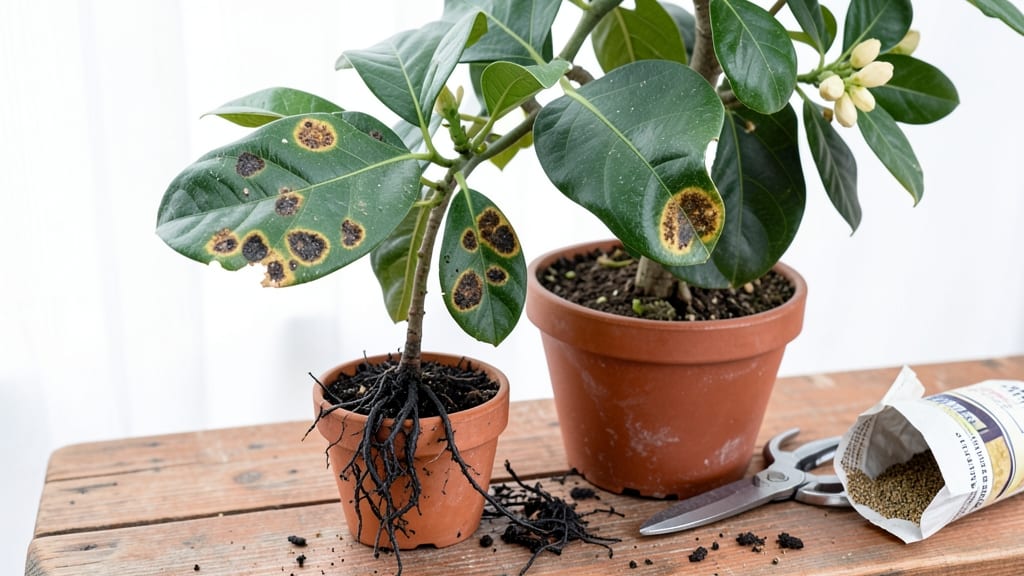
Spotting avocado plant diseases early saves your tree before it’s too late—here are the avocado plant diseases pictures I’ve used to catch root rot and other threats in time. 🌿 I’ve watched root rot turn a healthy plant into a sad, wilting mess—until I learned to recognize the warning signs.
The key is knowing what to look for: brown spots on leaves, oozing stems, or sudden leaf drop. These visual clues can mean the difference between recovery and loss.
Most diseases start with environmental stress—too much water, poor drainage, or crowded roots. My avocado tree nearly died from fungal root rot because I ignored the yellowing leaves until it was almost gone.
The good news? Many issues respond well to simple fixes like adjusting watering habits, improving airflow, or applying organic fungicides. Prevention is easier than cleanup.
You’ll learn to identify the most common threats—like anthracnose, phytophthora, and bacterial spots—by their distinct symptoms. With the right tools and early action, you can stop the spread before it weakens your plant.
The goal isn’t just to treat the problem but to create a healthier growing environment for your avocado tree.
Whether you’re dealing with a young sapling or a mature tree, this guide gives you the visual and practical know-how to act fast. Early detection isn’t just smart gardening—it’s the best way to keep your avocado thriving for years to come.
Root Causes of Avocado Plant Diseases
Understanding why avocado plants fall prey to diseases helps you prevent them before they strike. Most issues stem from a mix of environmental stress, poor growing conditions, and microbial invaders. Let’s break down the key reasons your avocado tree might be under attack—and how to stop them.
Avocado trees thrive in well-draining soil with moderate moisture, but too much water creates the perfect breeding ground for fungal diseases like root rot (Phytophthora spp.) and stem rot. Here’s why it happens:
- Oxygen Deprivation: Waterlogged soil cuts off oxygen to roots, weakening the plant’s defenses and making it vulnerable to pathogens.
- Fungal Growth: Fungi like Phytophthora cinnamomi thrive in soggy conditions, attacking roots and spreading upward.
- Bacterial Buildup: Excess moisture also encourages bacterial infections, such as avocado bacterial canker (Pseudomonas syringae), which enters through wounds.
💡 Pro Tip: Use a moisture meter to check soil—avocados prefer slightly dry conditions between waterings. If your soil stays damp for more than 24 hours, improve drainage with organic matter (like compost) or raised beds.
Avocado trees are highly susceptible to fungal diseases when humidity spikes—especially in tropical or subtropical climates. Common culprits include:
| Disease | Cause | Signs to Watch For |
|---|---|---|
| Anthracnose | Colletotrichum spores in wet leaves | Dark sunken spots on fruit/leaves |
| Powdery Mildew | Oidium or Sphaerotheca fungi | White powdery coating on foliage |
| Botrytis Blight | Botrytis cinerea in damp air | Gray mold on flowers/fruit |
Why It Happens:
- High Humidity (80%+): Fungal spores germinate and spread rapidly in stagnant, moist air.
- Poor Air Circulation: Dense foliage traps humidity, creating ideal conditions for fungal growth.
- Wet Leaves: Morning dew or overhead watering keeps leaves damp for too long, inviting infections.
✨ Fix It: Space plants for airflow, water at the base (not leaves), and use fungicidal sprays (like copper-based treatments) during rainy seasons.
Pests like avocado lace bugs, scale insects, and thrips don’t just sap nutrients—they damage leaves and bark, creating entry points for diseases. Here’s the chain reaction:
- Physical Damage: Pests pierce plant tissue, leaving wounds where bacteria (Xanthomonas spp.) or fungi (Fusarium) can invade.
- Honeydew Buildup: Sap-sucking insects produce sticky honeydew, which attracts sooty mold (a secondary fungal issue).
- Stress Response: A weakened plant reduces natural defenses, making it easier for pathogens to take hold.
🔥 Prevention: Inspect leaves weekly for pests, use neem oil sprays, and introduce beneficial insects (like ladybugs) to keep populations in check.
Avocado trees need balanced nutrition—too much (or too little) of certain elements can stress the plant, making it disease-prone. Key issues:
- Nitrogen Overload: Excess nitrogen promotes soft, lush growth that’s prone to fungal infections (like powdery mildew).
- Potassium Deficiency: Weakens cell walls, making plants more susceptible to bacterial spot (Xanthomonas campestris).
- Magnesium or Zinc Lack: Causes chlorosis (yellowing leaves), reducing photosynthesis and overall vigor.
📊 Actionable Fix:
- Test soil every 2–3 years and amend with balanced fertilizer (e.g., 6-6-6 NPK ratio).
- Avoid synthetic fertilizers—opt for organic compost or slow-release granules to prevent nutrient burn.
If your avocado tree was grafted or suffered physical damage (from pruning, storms, or pests), those wounds can become gateways for infections. Common offenders:
- Bacterial Canker (Pseudomonas syringae): Enters through cuts, causing oozing lesions.
- Fusarium Wilt (Fusarium oxysporum): Invades via root wounds, clogging vascular tissue.
- Phytophthora Root Rot: Spreads from contaminated soil into fresh pruning wounds.
👨🍳 How to Prevent It:
- Sanitize tools with 70% rubbing alcohol before pruning.
- Seal wounds with pruning sealant (for large cuts) or copper-based fungicide.
- Avoid over-pruning—only remove dead or diseased branches (never healthy growth).
Avocado trees are native to tropical/subtropical regions, but sudden climate shifts or poor soil can trigger diseases:
- Temperature Swings: Cold snaps weaken trees, making them susceptible to bacterial infections.
- Alkaline Soil (pH > 7.0): Locks out essential nutrients (like iron) and encourages fungal growth.
- Compacted Soil: Restricts root growth, reducing the plant’s ability to fight off pathogens.
🎯 Solution:
- Mulch with wood chips to regulate soil temperature.
- Test soil pH and amend with sulfur (to lower pH) or lime (to raise it) as needed.
- Choose the right location: Avocados need full sun (6+ hours/day) and protection from wind.
How to Treat Avocado Plant Ailments
When your avocado tree starts showing signs of stress—whether it’s yellowing leaves, black spots, or oozing cankers—acting fast is key. Below, we break down practical solutions for the most common avocado diseases, paired with prevention tips to keep your tree thriving.
Think of this as your avocado plant first-aid kit, ready to tackle issues before they spread!
If your avocado’s roots are soggy or the soil smells foul, root rot (often caused by Phytophthora) is likely the culprit. Here’s how to revive your plant:
🔥 Step 1: Improve Drainage Immediately
- 👨🍳 Repot or amend the soil: If the pot is small or lacks drainage holes, transfer your tree to a larger container with well-draining potting mix (add perlite or sand).
- ⏰ Let the soil dry between waterings: Stick your finger 1–2 inches into the soil—if it’s damp, wait. Avocados hate "wet feet."
🍳 Step 2: Apply Fungicide
- 💡 Use a copper-based fungicide (like Copper Soap) or a biological option (e.g., Trichoderma spores) to kill fungal spores. Follow label instructions—usually a spray every 7–10 days for 2–3 weeks.
- 🌡️ For severe cases: Soak the roots in a 1:10 hydrogen peroxide solution (3% H₂O₂) for 10 minutes to disinfect before repotting.
🎯 Prevention Tips
- ✨ Choose pots with drainage holes—no exceptions!
- 🔥 Elevate pots on saucers or stands to prevent water pooling.
- 🌱 Plant in well-draining soil (avoid heavy clay mixes).
Those dark, sunken lesions on leaves or fruit? Anthracnose (Colletotrichum) thrives in humid, wet conditions. Here’s how to stop it:
🔪 Step 1: Prune Infected Parts
- ✂️ Remove and destroy (don’t compost!) all infected leaves, fruit, and branches. Use sterilized pruners (wipe with rubbing alcohol between cuts).
- 🌿 Thin out dense foliage to improve airflow—this disease loves crowded, damp spots.
🍳 Step 2: Spray with Fungicide
- 💡 Apply a fungicide like neem oil (natural) or chlorothalonil (synthetic) every 10–14 days during rainy seasons or high humidity.
- 🌡️ For organic growers: Mix 1 tsp baking soda + 1 quart water + a drop of dish soap as a preventive spray.
🎯 Prevention Tips
- 🔥 Water in the morning so leaves dry quickly.
- 🌱 Space plants 6+ feet apart for better airflow.
- 🍎 Avoid overhead watering—use drip irrigation instead.
Seeing oozing, sunken cankers on the trunk or branches? Phytophthora (P. cinnamomi) is aggressive but manageable with these steps:
🔥 Step 1: Sterilize & Prune
- ✂️ Cut out cankers ½ inch below the infected area with sterilized tools. Burn or bag the infected wood.
- 🌡️ Disinfect wounds: Apply copper fungicide or pruning paint (like Tanglefoot Tree Wound Pruning Seal) to prevent reinfection.
🍳 Step 2: Adjust Watering & Soil
- 💡 Switch to drip irrigation to keep foliage dry.
- 🌱 Amend soil with compost and sand to improve drainage.
🎯 Prevention Tips
- ✨ Mulch with wood chips (not organic mulch that retains moisture).
- 🔥 Avoid planting in low-lying areas where water pools.
- 🌱 Test soil pH—keep it slightly acidic (5.5–6.5) to deter fungal growth.
Tiny, water-soaked spots that turn yellow or brown? Bacterial spot (Xanthomonas) spreads fast. Here’s how to contain it:
🔥 Step 1: Remove & Dispose
- ✂️ Pick off and destroy infected leaves/fruit immediately. Do not compost!
- 🌿 Sterilize tools after each cut to avoid spreading bacteria.
🍳 Step 2: Use Copper Sprays
- 💡 Spray with copper fungicide (like Bordeaux mixture) every 7–10 days during wet periods.
- 🌡️ For organic options: Try milk spray (1 part milk to 9 parts water) as a preventive measure.
🎯 Prevention Tips
- 🔥 Water at the base—never on leaves.
- 🌱 Rotate crops if growing in a garden (don’t replant avocados in the same spot yearly).
- 🍎 Keep the area clean—remove fallen leaves/debris promptly.
Remember: Early action is everything. The moment you spot symptoms, isolate the plant, identify the issue, and treat aggressively. With these fixes, your avocado tree can bounce back—and with a few preventive tweaks, you’ll keep future diseases at bay! 🌿💪
Frequently asked questions
How can I tell if my avocado tree has root rot just by looking at it?
Check for yellowing leaves that start at the bottom and spread upward, combined with soft, mushy roots when gently pulled. The soil may also smell foul or feel waterlogged. If you see blackened root tips or the tree wilts despite consistent watering, it’s likely root rot caused by Phytophthora.
Are there any home remedies to treat fungal diseases on avocado leaves?
Yes! For powdery mildew or anthracnose, mix 1 teaspoon baking soda with 1 quart water and a drop of dish soap, then spray leaves thoroughly. For bacterial spots, try a milk spray (1 part milk to 9 parts water) to prevent spread. Always apply in the morning so leaves dry quickly.
Why does my avocado tree keep getting bacterial spot even after treatment?
Bacterial spot thrives in wet conditions, so if you’re still seeing symptoms, you may need to adjust your watering habits. Water at the base of the plant (never overhead), avoid late-day watering, and remove any fallen leaves/debris promptly. Also, sterilize your pruning tools with 70% rubbing alcohol to prevent reinfection.
Can I save an avocado tree with severe trunk cankers caused by Phytophthora?
It depends on how deep the cankers go. Prune out infected areas ½ inch below the lesion with sterilized tools, then seal wounds with copper fungicide or pruning paint. Improve drainage immediately—repot if needed—and avoid overhead watering. If the trunk is completely girdled, the tree may not recover.
How often should I inspect my avocado tree for early signs of disease?
Check your tree weekly during growing seasons (spring-fall) and biweekly in winter. Focus on new growth, undersides of leaves, and trunk wounds. Early detection is key—catching issues when they’re small (like tiny brown spots or yellowing edges) makes treatment much easier.