
Plants
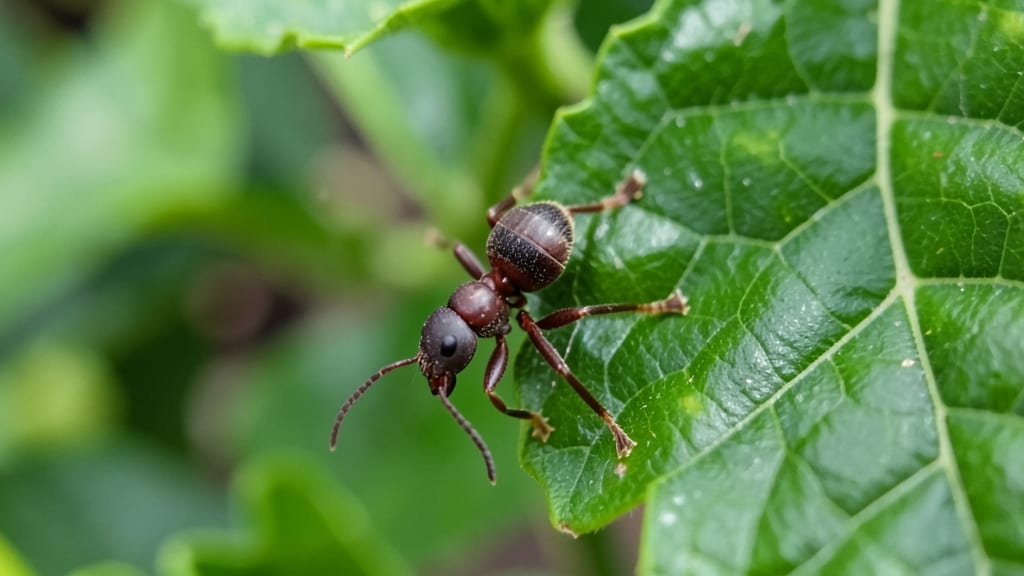
Ants marching through your hibiscus plants aren’t just annoying—they’re often a sign something else is already there. 🌿 I’ve spent years watching these tiny trails turn into full-blown invasions, and the real culprit is usually hidden: aphids, scale insects, or even honeydew dripping from leaves.
That sweet stuff is like a neon sign to ants, and your hibiscus becomes their highway.
The good news? You don’t need harsh sprays to kick them out. My go-to method starts with a simple spray of soapy water (1 tablespoon mild soap per quart of water) to knock out aphids, followed by diatomaceous earth around the base of the plant.
It’s a game-changer—ants avoid the gritty powder, and your hibiscus stays healthy without chemical residue. The key is acting fast before they set up permanent camps.
Once you break the cycle, your hibiscus will bounce back with bold, glossy leaves and fewer interruptions. I’ve seen plants recover in as little as 10 days after removing the food source and blocking ant trails.
The best part? This approach keeps working season after season, so you’re not stuck in a endless battle. Prevention is just about keeping your plants strong and monitoring for early signs of pests.
Works for both potted hibiscus and in-ground plants, whether you’re dealing with a single bush or a whole garden bed. The same principles apply—just scale the solution to your space. Let’s get those ants packing their bags for good.
Root Causes Of Tiny Invaders
Discovering ants in your hibiscus plants can feel like an unwelcome surprise—especially when you’ve nurtured them with care. But why do these tiny pests show up in the first place? The answer lies in a mix of natural behaviors, environmental triggers, and even the plant’s own biology.
Understanding these causes is the first step to keeping your hibiscus thriving without harsh chemicals. Let’s break down the science behind the problem.
Hibiscus plants produce nectar in their flowers, a natural sugar-rich reward to attract pollinators like bees and butterflies. Unfortunately, ants have a serious sweet tooth too. They’re drawn to this nectar like a candy store, but their interest doesn’t stop there.
Ants also farm aphids—tiny sap-sucking insects that excrete a sticky, sugary substance called honeydew. When aphids infest hibiscus leaves, ants protect them in exchange for this liquid gold. It’s a mutualistic relationship that turns your plant into an all-you-can-eat buffet.
Actionable Insight: If you spot aphids (tiny green/black bumps on stems or undersides of leaves), they’re likely the reason ants are hanging around. Later in this guide, we’ll cover how to disrupt this ant-aphid partnership naturally.
Ants are opportunistic nesters, and hibiscus plants—especially those in pots or with dense foliage—provide the perfect microclimate. Here’s why:
- Humidity: Hibiscus leaves retain moisture, creating a damp environment that ants love for nesting. Potted hibiscus, in particular, can trap humidity between the soil and foliage.
- Cracks & Crevices: Ants seek out tiny gaps in pots, mulch, or even the soil surface to build colonies. A single crack in a terracotta pot or loose mulch can become a highway for them.
- Shade & Warmth: Hibiscus often thrive in partial shade, which also suits ants. They avoid extreme heat or cold, so your plant’s ideal growing conditions might just be their ideal nesting spot.
Pro Tip: 🌡️ If your hibiscus is in a pot, check for moisture buildup in the saucer or cracks in the container. Elevating pots slightly (with pot feet or bricks) can reduce humidity at the base and deter nesting.
Stressed plants emit chemical signals that can attract pests, including ants. When hibiscus plants are:
- Underwatered or Overwatered: Both extremes weaken the plant’s defenses. Ants may detect the distress compounds released by roots or leaves.
- Nutrient-Deficient: Lack of nitrogen or phosphorus can make hibiscus more vulnerable to pests, as the plant can’t produce enough protective resins or volatile oils.
- Physically Damaged: Pruning wounds or broken branches create entry points for ants to explore the plant’s interior.
Science Note: Plants under stress often produce volatile organic compounds (VOCs), which can act as insect attractants. While this is an evolutionary defense mechanism (to lure predators of herbivores), it backfires when those predators are ants instead of ladybugs.
Quick Fix: ✨ Ensure your hibiscus gets consistent moisture (check soil moisture 1–2 inches deep) and a balanced fertilizer (like a 10-10-10 NPK ratio) every 4–6 weeks during growing season.
Ants don’t just appear out of nowhere—they’re often hitchhiking from other areas. Common human-related causes include:
| Source | How It Happens | Prevention |
|---|---|---|
| Firewood or Mulch | Ants nest in stacked firewood or wood chips. When you use this near your hibiscus, they migrate to your plant. | Store firewood at least 20 feet away from plants and use mineral-based mulch (like granite) instead of wood chips. |
| Potted Plants from Nurseries | Many nursery-grown hibiscus (especially in plastic pots) already have hidden ant colonies in the soil. | Inspect new plants for ants or quarantine them for 2 weeks before planting outdoors. |
| Compost or Manure | Fresh compost can harbor ant eggs or larvae, which hatch near your plants. | Use aged compost (6+ months old) or compost tea (strained) to avoid introducing pests. |
Key Takeaway: Ants are not randomly choosing your hibiscus—they’re following a trail of resources or shelter you’ve unintentionally provided.
Quick fixes for garden pests
Ants in your hibiscus plants can feel like an unwelcome houseguest—except they’re tiny, persistent, and might be harming your prized blooms. The good news? You don’t need harsh chemicals to kick them out.
Below are targeted solutions based on why ants are showing up, paired with prevention tips to keep them from crashing the party again. Let’s tackle this step by step!
Ants don’t just invade for fun—they’re often protecting sugary pests like aphids or scale insects. These pests excrete "honeydew," which ants love as a food source. Break the cycle with these steps:
🍳 Step 1: Disrupt the Ant-Aphid Relationship
- Spray with soapy water: Mix 1 tsp mild dish soap (like Dawn) with 1 quart of water in a spray bottle.
Target aphids directly—ants will abandon them when their food source disappears. - Blast aphids off with water: Use a gentle stream from a hose to knock them off leaves. Repeat every few days until they’re gone. - Introduce ladybugs: These natural predators devour aphids.
Buy them online or attract them by planting dill, fennel, or marigolds nearby.
👨🍳 Step 2: Block Ant Trails
Ants follow scent trails like GPS. Remove their "map" with: - Diatomaceous earth (DE): Sprinkle food-grade DE around the base of your hibiscus and along ant trails.
It’s non-toxic but deadly to ants by dehydrating them. Reapply after rain. - Cinnamon or cayenne pepper: Sprinkle a thin layer around the plant’s base. Ants hate the smell and won’t cross it.
(Bonus: It’s safe for plants!) - Vinegar barrier: Mix 1 part white vinegar with 1 part water and spray along the soil line. The smell disrupts their trails. Reapply after rain.
💡 Pro Tip:
> 🌡️ Heat trick: Ants are less active in hot weather. If possible, water your hibiscus in the early morning so the soil stays cooler—ants are less likely to scout when it’s warm.
Some ants burrow into the soil near hibiscus roots, either for shelter or to harvest honeydew from underground pests. Evict them without harming your plant with these methods:
🔪 Step 1: Remove the Nest (Gently!)
- Dig it out: Use a small trowel to carefully excavate the nest (usually 3–6 inches deep).
Relocate ants far from your garden (at least 20 feet away) in a shaded, moist area. - Boiling water trick: Pour 1 cup of boiling water directly into the nest entrance.
This kills ants instantly but won’t harm the soil. Do this in the evening to avoid shocking nearby wildlife.
⏰ Step 2: Prevent Reinforcement
- Coffee grounds: Sprinkle used coffee grounds around the base of your hibiscus. The caffeine disrupts ant foraging patterns.
- Orange or lemon peels: Bury dried citrus peels near the roots.
The scent confuses ants and deters them from returning. - Plant ant-repelling companions: Add basil, mint, or lemon thyme nearby. Their strong fragrances mask the hibiscus’s scent, making it less appealing.
💡 Pro Tip:
> 🎯 Early detection: Check for tiny mounds of soil or trails of ants in the morning. The sooner you act, the easier it is to remove them before they establish a colony.
Sometimes, ants are just transient visitors drawn to fallen hibiscus petals, nectar, or spilled water. Keep them from stopping for a snack with these low-effort fixes:
🚫 Step 1: Eliminate Attractants
- Clean up debris: Remove fallen flowers, leaves, and mulch near your hibiscus. Ants love hiding in these spots.
- Wipe down leaves: Use a damp cloth to remove sticky honeydew or nectar.
Ants won’t linger if their buffet is gone. - Avoid overwatering: Ants seek out moist soil. Water deeply but infrequently (every 2–3 days) to discourage them.
🍎 Step 2: Use Natural Deterrents
- Crushed garlic or chili powder: Mix 1 tbsp each with 1 cup water, strain, and spray around the base.
The smell throws ants off. - Essential oil spray: Combine 10 drops peppermint or tea tree oil with 1 cup water and 1 tsp rubbing alcohol (as an emulsifier).
Spray lightly around the plant. Test on a small leaf first—some oils can burn sensitive plants. - Aluminum foil collar: Wrap a 12-inch strip of foil around the base of the hibiscus, with the shiny side facing outward. Ants hate crawling over it.
💡 Pro Tip:
> ✨ Night patrol: Ants are most active at dawn and dusk. Do a quick inspection during these times to spot and deter them before they set up camp.
Once your hibiscus is ant-free, lock it in with these habits: ✅ Inspect weekly: Check leaves, stems, and soil for early signs of ants or pests. ✅ Encourage predators: Attract birds, lizards, and beneficial insects by adding a small water source or native plants. ✅ Rotate deterrents: Ants can become immune to one method.
Switch between DE, citrus peels, and coffee grounds every few weeks. ✅ Prune strategically: Trim hibiscus leaves that touch the ground—ants use them as bridges to climb up.
Final Thought: Ants in hibiscus plants are usually a secondary problem—fix the real* issue (aphids, moisture, or shelter), and the ants will leave on their own. With these natural, chemical-free methods, your hibiscus will stay lush, pest-free, and thriving! 🌸🚫🐜
Frequently asked questions
Why do ants keep coming back to my hibiscus even after I've tried repellents?
Ants are persistent because they’re following food sources like aphids or honeydew. If you’ve only blocked trails but didn’t remove the aphids, they’ll keep returning. Focus on eliminating the pests first with soapy water sprays or ladybugs, then reinforce barriers like diatomaceous earth or cinnamon.
Is it safe to use vinegar around hibiscus plants to deter ants?
Yes, but use it carefully! A 1:1 vinegar-water mix sprayed along the soil line disrupts ant trails without harming hibiscus. Avoid spraying leaves directly—vinegar can cause brown spots. Reapply after rain, as it washes away quickly.
Can ants actually harm my hibiscus plant?
Directly? No. But they protect pests like aphids that do damage by sucking sap and leaving sticky honeydew. This weakens the plant and attracts more ants. The real threat is the aphids, not the ants themselves.
How do I know if ants are nesting in the soil near my hibiscus?
Look for tiny mounds of soil (like tiny volcanoes) or trails of ants entering the ground. Tap the soil gently—if you hear a rustling sound, they’re likely nesting nearby. Morning inspections work best when ants are most active.
Will coffee grounds really keep ants away from my hibiscus?
The caffeine in used coffee grounds disrupts ant foraging patterns. Sprinkle a thin layer around the base of your plant, but avoid overdoing it—too much can alter soil pH over time. Refresh every few weeks for best results.