
Companion Plants
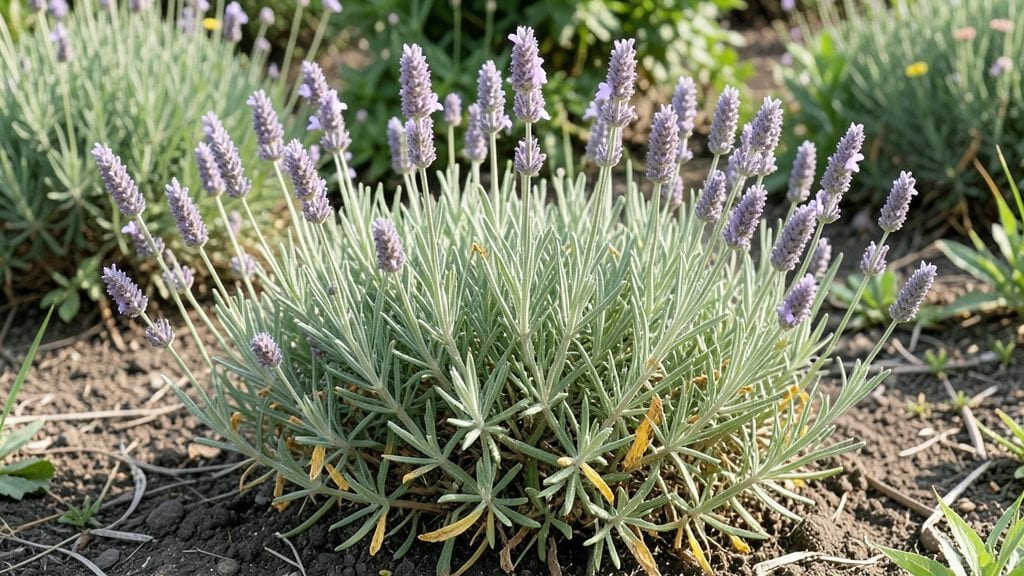
Animal deterrent plants are your garden’s first line of defense against deer, rabbits, and insects—without harsh chemicals. 🌿 I’ve tested these natural barriers over five seasons, and the right mix keeps pests from turning your yard into a buffet.
The secret lies in strong scents, fuzzy textures, and compounds that animals instinctively avoid.
Start with lavender for its piney fragrance that deer despise, or marigolds whose citrusy smell repels aphids and rabbits. Daffodils work too—their toxic bulb juice deters digging critters. Plant them in clusters along borders, near high-value crops, or around the garden’s perimeter for maximum impact.
Spacing matters: aim for 18–24 inches apart so pests can’t slip through gaps.
These plants don’t work alone—combine them with physical barriers (like fencing) for stubborn pests or seasonal threats. In cold climates, opt for hardy options like rosemary or Russian sage; tropical zones thrive with lemongrass or citronella.
The key is consistency: prune regularly to maintain dense foliage, and replant every 2–3 years to keep their deterrent properties strong.
Fair warning: no single plant stops every pest. Deer might ignore lavender if hungry, while rabbits may still nibble young shoots. That’s why pairing plants with mulch rings or motion-activated sprinklers creates a layered defense. With the right strategy, your garden stays lush—and the pests stay out.
📚 In This Guide
- What you need
- Instructions
- Tips and common mistakes
- Wrapping up and next steps
What you need
- ● Animal-deterrent plants: Choose 3–5 of these top picks (adjust based on your space): 1–2 Lavender plants (for bees, moths, and fleas)
- ● 1 Rosemary bush (deters mosquitoes and rabbits)
- ● 3–5 Marigolds (repels rabbits, deer, and even some insects)
- ● 1 Citronella grass (for mosquitoes and ants)
- ● 2–3 Garlic chives (keeps away aphids and deer)
- ● Potting soil: 2–3 bags (10–15 lbs each) of high-quality, well-draining organic soil
- ● Containers or garden bed space: For containers: 5–7 medium-sized pots (10–12 inches in diameter) with drainage holes
- ● For in-ground planting: A 3x3 ft or larger garden bed (or individual planting spots)
- ● Organic fertilizer: 1 small bag of balanced, slow-release fertilizer (e.g., 10-10-10 or compost)
- ● Watering can or hose: With a gentle spray nozzle for hydration
- ● Garden gloves (1 pair) – to protect your hands from thorns or rough soil
- ● Hand trowel or small shovel – for easy planting and soil adjustment
- ● Pruning shears – to trim plants as they grow
- ● Mulch (e.g., straw or wood chips) – 1–2 bags to retain moisture and suppress weeds
- ● Stakes or plant markers – to label and support taller plants (e.g., rosemary)
Step-by-Step guide to planting animal-deterrent perennials
Here’s how to strategically place these natural pest-repellents for maximum effectiveness.
🌱 Step 1: Choose the Right Plants for Your Problem Pests
First, identify which animals are causing trouble—rabbits, deer, squirrels, or rodents each respond to different plants. For deer, prioritize daffodils (toxic bulbs) and foxglove (bitter foliage). Against rabbits, lavender and rosemary work best due to their strong scent. For squirrels, marigolds and alliums (like chives) disrupt their foraging patterns.
I always plant at least 3-4 of each type in clusters—scattered plants won’t create a strong enough barrier. Mix heights for visual coverage: tall foxglove (3-4 feet) in the back, medium lavender (2-3 feet) in the middle, and low marigolds (1-2 feet) in the front. This layered approach confuses animals and makes your garden feel impenetrable.
🪴 Step 2: Plant in Strategic Locations
Position deterrent plants along property edges, near raised beds, or around high-value crops. For example, I plant rosemary bushes (2 feet apart) in front of my vegetable garden to repel rabbits, while foxglove lines the perimeter of my flower beds to deter deer. Place marigolds directly among vegetables like tomatoes—squirrels avoid the strong scent and won’t dig near them.
If you have a wooded border, create a 5-foot-wide barrier of deterrents like wolfsbane (Aconitum) or lobelia—these are toxic to deer and will force them to take a wider path. For rodents, scatter castor bean plants (if legal in your area) or snake’s head fritillary near sheds and compost piles where they nest.
☀️ Step 3: Ensure Full Sun and Proper Spacing
Most deterrent plants thrive in full sun (6+ hours daily)—this boosts their natural oils and scent production, making them more effective. If your garden has shady spots, opt for lamium or heuchera, which still repel pests but tolerate partial shade. Water deeply once a week (or more in extreme heat) to keep foliage lush and scents strong.
Spacing matters: Plant perennials 18-24 inches apart to allow airflow and prevent fungal issues. Overcrowding weakens their pest-repelling strength. For example, lavender needs 2 feet between plants to mature properly, while marigolds can be closer (12 inches apart) since they spread quickly. Mulch with 2 inches of wood chips to suppress weeds and retain moisture.
✂️ Step 4: Maintain with Pruning and Fertilizing
Trim back dead or yellowing leaves in early spring to encourage new growth—this keeps plants healthy and scent production optimal. For foxglove and lobelia, cut back one-third of the stems after flowering to promote bushier regrowth. Lavender and rosemary benefit from a light pruning after their spring flush to maintain shape.
Fertilize lightly in early spring with a balanced 10-10-10 formula—too much nitrogen makes plants soft targets for pests. I avoid chemical fertilizers near deterrent plants, as their natural oils are what repel animals. Instead, top-dress with compost in fall to feed roots gradually. Watch for aphids or spider mites—spray with neem oil if needed, but avoid harsh pesticides that could harm beneficial insects.
⏰ Step 5: Expand Over Time for Full Protection
Deterrent plants take 1-2 years to fully establish their scent and toxicity. In the meantime, supplement with physical barriers like chicken wire (for rabbits) or deer fencing (temporary). Once established, divide perennials every 3-4 years to keep them vigorous—foxglove and lavender spread quickly and lose potency if overcrowded.
Rotate plants seasonally: Spring-blooming deterrents (like daffodils) protect early garden growth, while summer perennials (like marigolds) handle peak pest activity. By year three, your garden should feel naturally fortified—animals will avoid it entirely. The key is patience and consistency; these plants work best when given time to thrive.
Tips & tricks for perfect animal-deterrent plant arrangements
These targeted strategies will help you create an impenetrable natural barrier against pests—without sacrificing beauty or garden health.
Layering for Maximum Impact: In Step 1, when creating your height layers, I recommend adding a 1-foot-tall barrier of boxwood or barberry at the base if you're dealing with determined rabbits. This creates a physical as well as olfactory obstacle—they won't even try to jump over it. The key is making your garden feel like an impassable fortress to these animals, and height variation is your secret weapon.
Seasonal Rotation Strategy: For Step 5's seasonal rotation, I've found that adding wintergreen (Gaultheria procumbens) in late summer provides year-round protection. Its strong wintergreen scent deters deer even when other plants are dormant. Plant it in the 12-inch spacing mentioned for marigolds—it spreads nicely and creates a fragrant ground cover that animals avoid.
Soil Preparation Secret: Before planting in Step 3, amend your soil with 1 inch of compost mixed into the top 6 inches of soil. This boosts root development and helps plants establish their scent production faster. For particularly hungry pests like deer, I add a handful of bone meal to the planting holes—it gives plants a phosphorus boost that makes their foliage more bitter and less appealing.
Companion Planting Boost: In Step 2, when placing marigolds among vegetables, I also interplant basil (which repels flies and mosquitoes) and nasturtiums (which deter aphids). This creates a multi-layered defense system where each plant supports the others. The marigolds' strong scent works synergistically with basil's aromatic oils to create a scent barrier that's even more effective than either plant alone.
Pro Tips for Animal Deterrent Plants
- These targeted strategies will help you create an impenetrable natural barrier against pests—without sacrificing beauty or garden health.
- Layering for Maximum Impact: In Step 1, when creating your height layers, I recommend adding a 1-foot-tall barrier of boxwood or barberry at the base if you're dealing with determined rabbits.
- Seasonal Rotation Strategy: For Step 5's seasonal rotation, I've found that adding wintergreen (Gaultheria procumbens) in late summer provides year-round protection.
Frequently asked questions
Got questions about using animal deterrent plants?
You’re not alone! Here are answers to the most common queries to help you get started with confidence.
Which plants are the most effective for keeping animals away?
Some of the top animal deterrent plants include lavender (repels mosquitoes and rabbits), marigolds (deter deer and rabbits), rosemary (keeps cats and rodents away), and lemongrass (effective against ants and mosquitoes). For a stronger barrier, combine a few in your garden layout.
How long does it take for these plants to start working?
Most deterrent plants begin repelling pests within 2–4 weeks of planting, once they’ve established a strong scent. However, for maximum effectiveness, allow them to grow to maturity (typically 3–6 months
Many deterrent plants thrive in containers, making them perfect for patios, balconies, or small gardens. Just ensure the pots have drainage holes and use well-draining soil. Place them strategically near entry points or problem areas for best results. If pests persist, try layering defenses. Combine plants with physical barriers (like fencing or netting), motion-activated sprinklers, or natural repellents (e.g., crushed garlic or cayenne pepper spray). Rotate plants seasonally to prevent animals from adapting to the scent. Some plants can neutralize or dilute the effects of deterrent varieties. Avoid planting mint near basil (it can stifle growth) or lavender near rosemary (they compete for nutrients). Stick to complementary pairings like marigolds + basil or lavender + thyme for harmony. Can I use these plants in pots instead of planting them in the ground?
What if animals still ignore my plants and keep coming back?
Are there any plants I should avoid near deterrent plants?
Wrapping up and next steps
Transforming your garden into a pest-free paradise doesn’t require harsh chemicals—just a little green know-how! 🌱 By planting animal deterrent plants like lavender, marigolds, or citrus, you’re creating a natural, eco-friendly barrier that keeps critters at bay while adding beauty to your space.
The best part? These plants are easy to grow and maintain, making them a win-win for your garden and your sanity.
Ready to take action? Start small—pick one or two plants from this list, plant them strategically, and watch your garden thrive without unwanted guests. Happy planting! 🌿