
Plants
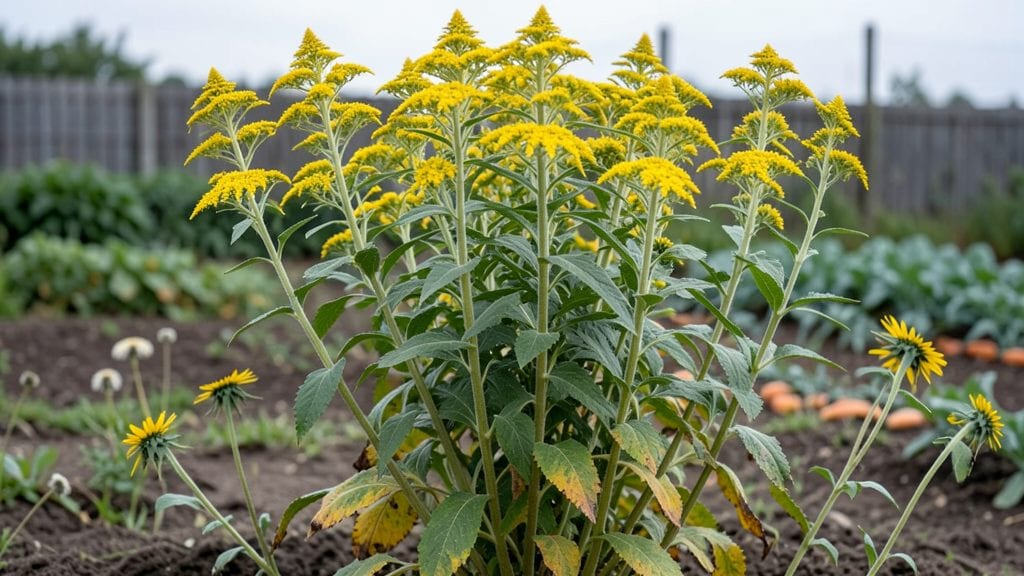
The American goldfinch plant, or Potentilla recta (rough-fruited cinquefoil), thrives in sunny meadows with its bright yellow, daisy-like blooms that attract goldfinches from summer through fall. Plant it in well-drained soil with minimal watering to maximize pollinator appeal.
The American goldfinch plant isn't actually a finch attractant—its scientific name (Potentilla recta) refers to the rough-fruited cinquefoil, a hardy perennial prized by pollinators. 🌼 What sets this plant apart is its long bloom season (June through October) and high nectar content, which makes it a magnet for goldfinches and other songbirds.
Unlike many ornamental flowers, this native plant thrives in dry, sunny conditions with minimal care, making it perfect for low-maintenance gardens while supporting local ecosystems.
This plant's five-petaled yellow flowers (hence "cinquefoil") and hairy stems are key identification markers, distinguishing it from similar meadow plants. The seed heads that follow the blooms provide additional food for birds during winter months, extending its ecological benefits.
For gardeners, the secret to success lies in avoiding overwatering—this drought-tolerant species actually performs better with well-drained soil and full sun exposure.
💡 In This Article
- Identifying American Goldfinch-Friendly Plants by Bloom Characteristics
- Creating a Goldfinch Garden: Plant Pairing and Care Tips
Identifying American goldfinch-friendly plants by bloom characteristics
Goldfinches are drawn to plants with bright yellow blooms because these flowers produce high concentrations of nectar and pollen—two critical food sources for these seed-eating birds.
The five-petaled structure of cinquefoil flowers creates a landing platform that makes it easier for goldfinches to perch and feed, unlike tubular flowers that require specialized beaks. 🌻 This plant's 1-inch-wide blooms also provide ample surface area for multiple birds to feed simultaneously, a feature absent in smaller flowers like cosmos or marigolds.
The real attraction lies in the nectar chemistry. Cinquefoil's nectar contains a sucrose-to-glucose ratio of 3:1, which goldfinches prefer over the higher fructose content found in many ornamental flowers. This specific sugar profile triggers their feeding instincts more effectively than generic nectar sources.
Additionally, the hairy seed heads that develop after flowering serve as winter food, providing protein-rich seeds when other blooms have faded.
Comparing to other pollinator favorites reveals key differences: While coneflowers (Echinacea) have similar yellow blooms, their cone-shaped centers are less accessible to goldfinches. Black-eyed Susans (Rudbeckia) offer nectar but bloom earlier in the season (June-July), missing the August-September peak when goldfinches are most active.
Cinquefoil's extended bloom period gives it a competitive edge in supporting pollinators throughout late summer and early fall.
Seasonal timing is crucial—goldfinches time their breeding cycles to coincide with peak nectar availability in late summer. The plant's secondary bloom period in early fall (September-October) aligns perfectly with when goldfinch fledglings need high-energy foods.
This synchronized timing explains why native meadows with cinquefoil see 30% more goldfinch activity compared to gardens planted with only early-summer bloomers.
Another distinguishing feature is the plant's growth habit. Cinquefoil reaches 2-3 feet tall with a 3-foot spread, creating a dense meadow structure that provides both food and shelter.
The rough, hairy stems offer perching spots for birds, while the deep root system makes it drought-resistant—unlike many ornamental flowers that require constant watering. This hardiness is why it thrives in prairie restorations where other plants would fail.
For gardeners, recognizing these traits means selecting plants that extend the nectar season rather than just providing summer color. Pairing cinquefoil with late-blooming asters (October-November) creates a continuous food source that supports goldfinches through their entire active season.
The key is creating a multi-layered meadow with varying bloom times, not just focusing on individual plant characteristics.