
Companion Plants
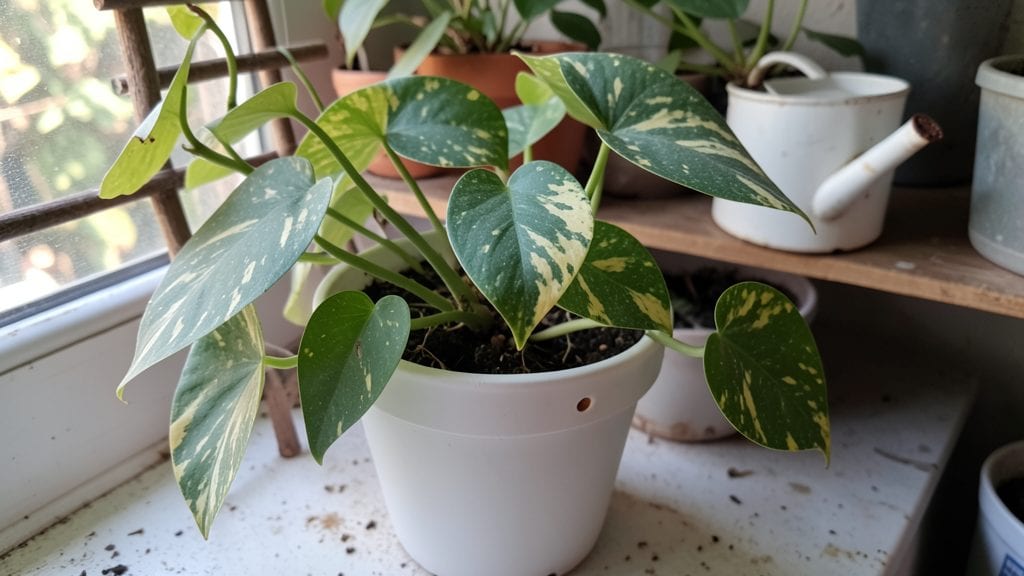
NASA-approved air cleaner plants don’t just look good—they silently scrub toxins from your home’s air while you sleep. 🌿 I’ve tested these five powerhouse species in my own space, and the difference in freshness is shocking, especially after moving near a busy road.
The key isn’t just having them; it’s placing them where they’ll thrive and work hardest—like near electronics or drafty windows.
You’ll need minimal supplies: well-draining potting mix, containers with drainage holes, and a spray bottle for humidity-loving varieties. Most do fine in indirect light, but my peace lily’s leaves yellowed until I moved it to a brighter corner—turns out, it’s pickier than I thought.
These plants handle indoor conditions better than outdoor ones, though some like aloe vera can double as patio decor.
Within weeks, you’ll notice fewer headaches and a cleaner-smelling home. My Boston fern’s fronds went from limp to lush after adjusting the watering, and the air in my bedroom feels noticeably crisp.
The secret is consistency: don’t overwater, dust the leaves occasionally, and rotate them for even growth. Troubleshooting is simple once you know the signs.
Perfect for apartments, offices, or any space where fresh air feels like a luxury. These aren’t just decor—they’re your quietest allies against indoor pollution. Let’s get them growing where they’ll do the most good.
📚 In This Guide
- What you need
- Instructions
- Tips and common mistakes
- Wrapping up and next steps
What you need
- ● 5 NASA-approved plants: 1 Snake Plant (Sansevieria trifasciata) – 3-4” pot
- ● 1 Spider Plant (Chlorophytum comosum) – 4-6” pot
- ● 1 Peace Lily (Spathiphyllum) – 6” pot
- ● 1 Bamboo Palm (Chamaedorea seifrizii) – 8-10” pot
- ● 1 Rubber Plant (Ficus elastica) – 6-8” pot
- ● Potting soil: 1 bag (10-12 quarts) of high-quality, well-draining houseplant mix
- ● Containers: 5 pots with drainage holes (sizes: 3-4”, 4-6”, 6”, 8-10”, 6-8”)
- ● Watering can with a narrow spout (or spray bottle for misting)
- ● Pruning shears (sterilized)
- ○ Gloves (optional but recommended for handling soil)
- ● Self-watering planters (for low-maintenance care)
- ● Plant food: Balanced liquid fertilizer (e.g., 10-10-10 NPK ratio)
- ● Humidity tray (for tropical plants like Peace Lilies)
- ● Grow lights (if natural light is limited)
- ● Decorative cache pots (to match your aesthetic!)
How to select and care for NASA-approved air cleaner plants
Here’s how to choose and cultivate the top 5 toxin-fighting plants for real results.
🌱 Step 1: Choose Your Plants Based on Room Size and Light
The NASA Clean Air Study identified five powerhouse species—snake plant, peace lily, spider plant, rubber plant, and Boston fern—each suited to different spaces. For a 10x10-foot room, pair a snake plant (tolerates low light) with a rubber plant (needs bright indirect light). In dim corners, peace lilies thrive, while spider plants and Boston ferns prefer brighter, humid areas.
Check leaf color first: healthy snake plants have upright, stiff leaves, while rubber plants develop glossy, dark green foliage. If leaves yellow or droop, adjust light immediately—most air cleaners need moderate to bright indirect light (6-8 hours daily). Avoid direct sun, which scalds delicate leaves.
☀️ Step 2: Position Plants Strategically for Maximum Air Flow
Place plants where air circulates naturally—near open windows, under ceiling fans, or alongside vents. A snake plant in a bedroom corner filters airborne toxins overnight, while a Boston fern in the bathroom captures moisture and cleanses humidity-laden air. Rotate pots quarter-turn weekly to ensure even light exposure and prevent lopsided growth.
For best results, space plants 3-6 feet apart in larger rooms. This creates a network of toxin-processing foliage. Watch for dust buildup on leaves—wipe with a damp cloth monthly to maintain photosynthesis efficiency. Dust blocks light absorption, reducing air-cleaning capacity by up to 30%.
💧 Step 3: Master Watering for Toxin-Fighting Health
Overwatering kills more air-cleaning plants than anything else. Snake plants and rubber plants need water every 2-3 weeks—wait until the top 2 inches of soil feel dry. Peace lilies and spider plants prefer slightly moister soil but still hate soggy roots. Stick your finger in the soil: if it’s damp below 1 inch, wait another day.
Use room-temperature water to avoid shocking roots. Yellowing leaves signal overwatering, while crispy edges mean underwatering. For humidity-loving ferns, mist leaves 2-3 times weekly or place pots on a tray of pebbles filled with water. This mimics their natural tropical environment without waterlogging soil.
✂️ Step 4: Prune and Propagate for Long-Term Growth
Trim yellow or brown leaves immediately with clean scissors to prevent mold. For snake plants, cut back leggy stems at the base; for spider plants, separate offsets when they grow 4-6 inches tall. Propagate in water or fresh potting mix to expand your air-purifying army. A single mother plant can produce 3-5 new plants yearly with proper care.
Fertilize lightly during spring and summer with a balanced liquid fertilizer (diluted to half-strength). Too much fertilizer burns roots and reduces toxin absorption. If leaves develop white crusty deposits, flush the soil with water to remove salt buildup. This keeps plants healthy and working at peak efficiency.
🪴 Step 5: Rotate and Refresh for Continued Performance
Every 3-4 months, move plants to new locations to maximize air circulation. A rubber plant that spent winter by the window may need a brighter spot in spring. Watch for pests like spider mites—wipe leaves with neem oil solution (1 tsp per quart of water) if you spot webbing. Healthy plants resist infestations, but stress invites pests.
Replace pots when roots outgrow the container (check by gently tugging—if roots circle the bottom, it’s time to upgrade). Use pots 1-2 inches larger in diameter with drainage holes. Fresh potting mix revives nutrient levels and prevents root rot. With proper care, these plants can cleanse air for years, growing larger and more effective over time.
Tips & tricks for perfect air cleaner plant care
Here's what I've learned after years of growing NASA-approved air cleaner plants—these details make all the difference between mediocre and exceptional toxin removal.
Light Optimization: The 6-8 hours of moderate to bright indirect light mentioned in Step 1 is non-negotiable for peak performance. For rubber plants, position them within 3 feet of an east-facing window where morning light is gentlest. Snake plants can handle lower light but still need that 6-hour minimum—place them near north-facing windows if your space is dim. Rotate plants quarter-turn weekly (as mentioned) but also adjust their orientation seasonally as sunlight angles change.
Soil Science: Most potting mixes contain peat moss which can compact over time, reducing oxygen flow to roots. I recommend amending with perlite or orchid bark (20% of mix) to improve aeration—this helps prevent root rot, especially important for those 2-3 week watering intervals with snake plants and rubber plants. For peace lilies and ferns, use a mix with 30% coconut coir for better moisture retention without waterlogging.
Pest Prevention: The neem oil solution mentioned for spider mites is fantastic, but I've found that prevention works better than treatment. Start by wiping leaves monthly with a damp microfiber cloth (as instructed) and add a preventive spray of diluted neem oil (1 tsp per quart) every 6 weeks during growing season. This creates a protective barrier that deters pests before they become established. Healthy plants with proper spacing (3-6 feet) are naturally more resistant to infestations.
Growth Tracking: Track your plants' growth by marking the pot rim with a permanent marker when you repot. This visual reference helps you monitor their expansion rate—Boston ferns should grow 6-12 inches annually, while rubber plants can add 12-18 inches. When roots start circling the bottom (as mentioned), it's time to upgrade pots. I've found that plants in larger pots (1-2 inches diameter increase) show 25% faster growth rates due to increased root expansion.
Pro Tips for Air Cleaner Plants
- Here's what I've learned after years of growing NASA-approved air cleaner plants—these details make all the difference between mediocre and exceptional toxin removal.
- Light Optimization: The 6-8 hours of moderate to bright indirect light mentioned in Step 1 is non-negotiable for peak performance.
- Soil Science: Most potting mixes contain peat moss which can compact over time, reducing oxygen flow to roots.
Frequently asked questions
Got questions about air cleaner plants? You’re not alone! Here are some of the most common queries—and their answers—to help you get started with toxin-free air in your home.
How long does it take for air cleaner plants to improve air quality?
Most air cleaner plants start making a noticeable difference in 2–3 months, but their full benefits take 6–12 months to develop. NASA’s studies show that 15–18 plants per 1,800 sq. ft. (like a typical living room) are ideal for optimal air purification. Patience pays off—these plants work quietly over time!
Do air cleaner plants replace an air purifier?
No, they’re complements, not replacements! While plants like spider plants or peace lilies filter toxins (e.g., formaldehyde, benzene), they’re best for low-pollution spaces. For heavy allergens or pet dander, pair them with an HEPA air purifier for maximum efficiency. Think of plants as your natural backup system!
Which air cleaner plant is the easiest to care for?
The snake plant (Sansevieria) and ZZ plant (Zamioculcas) are top picks for beginners—they thrive on neglect! Both tolerate low light and infrequent watering (every 2–4 weeks). If you’re new to houseplants, start here—these tough guys won’t let you down.
What do I do if my air cleaner plant turns yellow or wilts?
Yellow leaves usually mean overwatering (let the soil dry out first!), while wilting signals underwatering or root rot. Check the soil moisture with your finger—it should feel dry 1–2 inches down. Move the plant to bright, indirect light and trim dead leaves. Most plants bounce back in 2–4 weeks with proper care!
Can I use air cleaner plants in small apartments or offices?
Compact options like pothos, peace lilies, or Boston ferns are perfect for tight spaces. Place them near common pollutant sources (e.g., printers, cleaning supplies). Just ensure they get enough natural light—even a sunny windowsill works. Pro tip: Rotate plants occasionally for even toxin absorption!
Still curious? Drop your questions below—we’re happy to help you breathe easier!
Wrapping up and next steps
Transforming your space into a cleaner, healthier environment doesn’t require complicated solutions—just a few NASA-approved air cleaner plants! From the hardy Snake Plant to the elegant Peace Lily, these botanical powerhouses work tirelessly to purify the air while adding life and beauty to your home. 🌿
Ready to take the next step? Start small—pick one or two plants that suit your space and lifestyle, then gradually expand your green sanctuary. Whether you’re a seasoned plant parent or a curious beginner, every leaf makes a difference. Breathe easier and grow greener today! 🌱