
Companion Plants
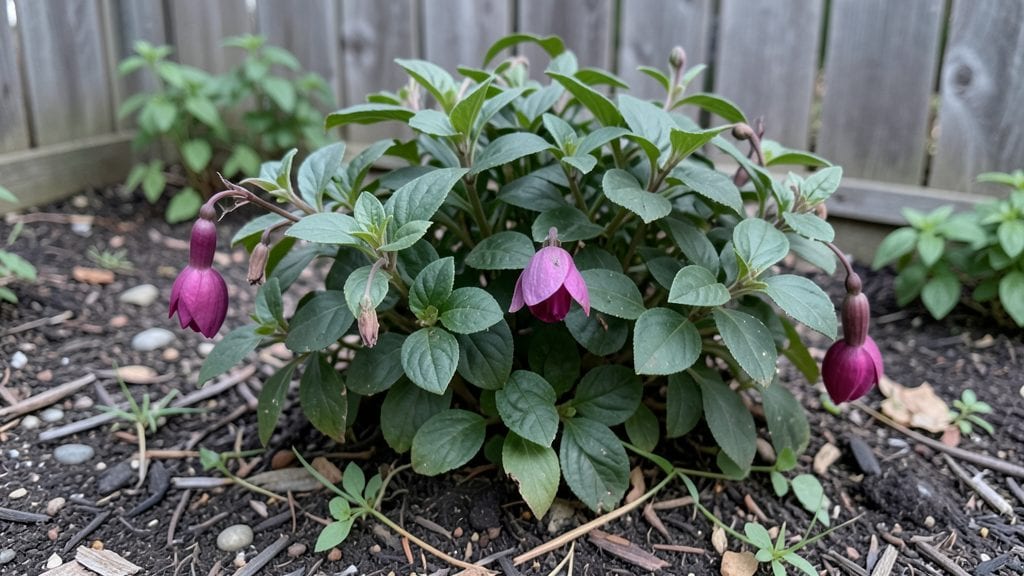
Bush fuchsia plants bring vibrant color and hummingbird magic to any garden with minimal fuss. 🌿 I remember the first time I saw them—those velvety blooms in shades of pink, purple, and white swaying in the breeze, drawing hummingbirds like a magnet.
They thrive where other plants struggle, making them perfect for dry climates or busy gardeners who forget to water often.
The secret to their success lies in their love of well-draining soil and bright, indirect light—think morning sun with afternoon shade. They’re happy in containers or planted directly in the ground, and their trailing habit makes them ideal for hanging baskets or spilling over garden edges.
Watering is simple: let the top inch of soil dry out between drinks, and you’ll avoid the common pitfall of root rot.
With the right care, you’ll be rewarded with nonstop blooms from summer through fall, and those hummingbirds will make your garden their favorite pit stop. Pruning spent flowers keeps them looking tidy and encourages even more blooms, while a light trim in early spring keeps their shape compact.
The best part? They’re tough enough to handle neglect but reward attention with stunning displays.
Whether you’re filling a sunny patio corner or creating a hummingbird-friendly oasis, bush fuchsias deliver beauty with almost no effort. Here’s how to make them thrive in your space—no green thumb required!
📚 In This Guide
- What you need
- Instructions
- Tips and common mistakes
- Wrapping up and next steps
What you need
- ● Bush fuchsia plants: Choose between Emmenanthe penduliflora (drought-tolerant, native to Western U.S.) or Fuchsia magellanica (hardy, hummingbird magnet). Start with 3–5 plants for a small garden or 10+ for a pollinator-friendly hedge.
- ● Well-draining potting mix: 1–2 bags (5–10 cubic feet) of a blend like 60% peat moss/coir, 30% perlite, and 10% compost. Avoid heavy clay soil—bush fuchsias hate soggy roots!
- ● Containers or garden bed: Containers: 5–7-inch pots (1 per plant) with drainage holes. Opt for fabric grow bags (1–2) if you prefer air-pruned roots.
- ● Garden beds: A 3–4 ft wide × 6 ft long area with 6+ hours of sunlight (partial shade in hot climates). Amend soil with 2–3 inches of compost.
- ● Slow-release fertilizer: 1 lb of 10-10-10 or 5-5-5 (organic options like fish emulsion work too!). Reapply every 3–4 months.
- ● Hand trowel or transplant spade (for digging holes 2× wider than the root ball).
- ● Pruning shears (sterilized with 70% isopropyl alcohol) for shaping and deadheading.
- ○ Garden gloves (optional but highly recommended—bush fuchsias can be thorny!).
- ● Watering can or hose with a gentle spray nozzle (avoid blasting roots!).
- ○ Mulch (optional but highly encouraged): 2–3 inches of pine bark or straw mulch to retain moisture and deter weeds.
- ● Climate check: Bush fuchsias thrive in USDA Zones 7–10. If you’re in Zone 6 or below, grow them in containers and overwinter indoors.
- ● Sunlight: Full sun to partial shade (morning sun + afternoon shade in hot areas).
- ● Watering schedule: Keep soil consistently moist but not waterlogged for the first 2–3 weeks. After establishment, they’re drought-tolerant!
- ○ Hummingbird prep (optional but fun!): Add a small water feature (birdbath or shallow dish) nearby.
- ● Plant companion pollinator plants like salvia or lavender within 5–10 feet.
Step-by-Step instructions for growing bush fuchsia plants
Here’s how to cultivate these drought-tolerant beauties that hummingbirds adore—no fuss, just stunning results.
🌱 Step 1: Choose the Right Location and Prepare Soil
Bush fuchsias thrive in partial shade to full sun, but in hot climates, they’ll appreciate morning sun with afternoon shade. I always pick a spot with well-draining soil—these plants hate soggy roots. If your soil is heavy clay, mix in 2-3 inches of compost from your materials list to improve drainage and fertility.
Loosen the top 6 inches of soil with a garden fork or trowel. This helps roots spread easily. If planting in containers, use the 6-inch pots from your supplies—they’re just the right size for bush fuchsias to grow without becoming root-bound.
🪴 Step 2: Plant at the Correct Depth and Spacing
Dig a hole twice as wide as the root ball but only as deep as the container the plant came in. This keeps the crown (where stems meet roots) at soil level—burying it too deep suffocates the plant, while planting too high stresses it. Gently remove the plant from its container and tease apart any circling roots.
Space plants 18-24 inches apart for a full, bushy look. If you’re planting in containers, place one plant per 6-inch pot—they’ll fill out beautifully without crowding. Water the hole deeply before placing the plant in to eliminate air pockets.
💧 Step 3: Water Deeply and Mulch to Retain Moisture
After planting, water deeply until the soil is moist 6 inches down. Bush fuchsias are drought-tolerant once established, but they need consistent moisture for the first 4-6 weeks while roots grow. Let the top 1-2 inches of soil dry out between waterings—this prevents root rot.
Spread 2 inches of mulch (like shredded bark or pine straw) around each plant, keeping it 2 inches away from the stem. Mulch locks in moisture, regulates soil temperature, and keeps weeds down. Replenish mulch as it breaks down—this is key for drought resistance.
☀️ Step 4: Fertilize and Prune for Bushy Growth
Feed plants with a balanced, slow-release fertilizer (like 10-10-10) every 6-8 weeks during the growing season. I like to mix it into the soil at planting, then top-dress again in early summer. Avoid over-fertilizing—bush fuchsias bloom best with moderate nutrition.
Pinch back the tips of new growth when plants are 6-8 inches tall to encourage branching. This creates a fuller, bushier plant with more flowers. Deadhead spent blooms regularly to keep the plant flowering all season—just snip off the faded flowers with clean pruners.
✂️ Step 5: Overwinter Care for Next Year’s Blooms
In colder climates, bush fuchsias are tender perennials—protect them from frost. Cut back stems to 4-6 inches tall in late fall, then mulch heavily with 4-6 inches of straw or leaves. This insulates roots and keeps them from freezing.
In warmer zones, they’ll often bloom year-round with minimal care. Just keep watering lightly during dry spells and fertilize lightly in early spring. You’ll see new growth in 3-4 weeks, signaling it’s time to resume regular care.
Tips & tricks for perfect bush fuchsia plants
Here's what I've learned after growing these vibrant beauties for years—the little details that make all the difference between a struggling plant and a thriving hummingbird magnet.
Soil Preparation Secret: In Step 1, when you're loosening that top 6 inches of soil, take an extra minute to break up any large clumps completely. The goal is to create a loose, almost fluffy texture that encourages roots to spread outward rather than staying compact. I've found that adding a handful of perlite or coarse sand to heavy clay soils makes an even bigger difference for drainage than just compost alone.
The Planting Depth Trick: During Step 2, here's a visual cue to get the depth right: The top of the root ball should sit just slightly above the surrounding soil level—about the thickness of a quarter. This prevents water from pooling around the crown, which is where most planting problems occur. If you're unsure, err on the side of slightly higher rather than buried.
Watering Wisdom: The 4-6 week watering window in Step 3 is crucial, but don't rely solely on the calendar. Stick your finger about 2 inches into the soil—if it feels dry at the knuckle, it's time to water. Morning watering is best because it gives leaves time to dry before evening, reducing fungal risks. I've seen plants wither from overwatering just as quickly as they struggle from underwatering.
Pruning Precision: When you're pinching back those 6-8 inch stems in Step 4, always make your cuts just above a leaf node or set of leaves. This is where new growth will emerge. I like to use clean scissors rather than my fingers to avoid spreading any potential diseases between plants. The more precise your cuts, the bushier your plant will become.
Pro Tips for Bush Fuchsia Plants
- Here's what I've learned after growing these vibrant beauties for years—the little details that make all the difference between a struggling plant and a thriving hummingbird magnet.
- Soil Preparation Secret: In Step 1, when you're loosening that top 6 inches of soil, take an extra minute to break up any large clumps completely.
- The Planting Depth Trick: During Step 2, here's a visual cue to get the depth right: The top of the root ball should sit just slightly above the surrounding soil level—about the thickness of a quarter.
Frequently asked questions
Got questions about growing bush fuchsia plants? You’re not alone! Here are answers to the most common queries—from care tips to troubleshooting—to help you cultivate a thriving hummingbird-friendly garden.
How do I encourage bush fuchsia plants to bloom more?
Prune lightly after flowering to remove spent blooms and shape the plant. Ensure they get full sun to partial shade (6+ hours of sunlight) and well-draining soil. Deadheading (trimming faded flowers) also prompts more blooms. Bonus tip: Feed with a balanced fertilizer in spring for a burst of color!
When is the best time to plant bush fuchsias?
Plant in early spring (after the last frost) or fall (6-8 weeks before the first frost) in mild climates. Bush fuchsias thrive in USDA zones 9-11 but can be grown as annuals in cooler regions. For container gardening, transplant seedlings after soil warms to 60°F (15°C) for best results.
Are bush fuchsias truly drought-tolerant?
Once established, they’re moderately drought-tolerant but perform best with consistent moisture, especially during their first year. Water deeply 1-2 times per week (adjust for heatwaves) and mulch to retain soil moisture. Overwatering can cause root rot, so ensure pots/containers have drainage holes.
What can I plant alongside bush fuchsias to attract hummingbirds?
Pair them with native perennials like salvia, bee balm, or columbine for a hummingbird buffet! Avoid competing plants with aggressive roots (e.g., mint) or those that attract pests. Bush fuchsias also play well with succulents or lavender for a low-maintenance, drought-resistant border.
Why are my bush fuchsia leaves turning yellow or spotted?
Yellowing leaves often signal overwatering or fungal issues (like powdery mildew). Check for pests (aphids, spider mites) on undersides of leaves. Improve airflow by spacing plants 12–18 inches apart and avoid wetting foliage when watering. If spots appear, treat with neem oil or a fungicide. Prevention tip: Rotate plants annually to refresh soil health.
Wrapping up and next steps
Bush fuchsia plants are a fantastic addition to any garden, offering vibrant blooms, drought tolerance, and a magnet for hummingbirds—all with minimal fuss! Whether you're a seasoned gardener or just starting out, their adaptability makes them a low-maintenance superstar.
Ready to transform your outdoor space? Start by picking your spot, gathering supplies, and planting today—your garden (and local pollinators!) will thank you. 🌸🐦