
Fertilization
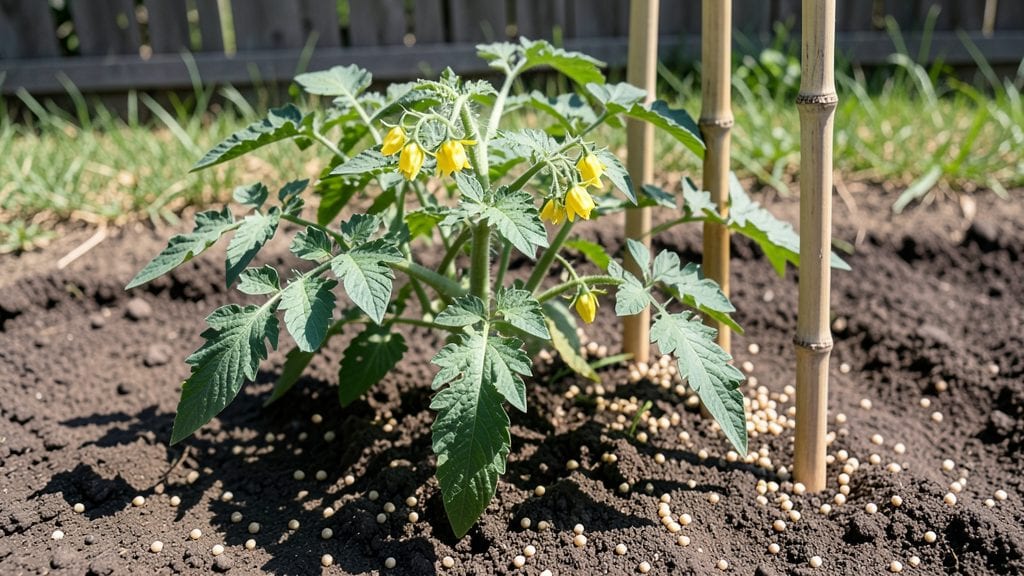
Your tomato plants are big but no tomatoes—here’s why that happens and how to flip the script. 🌱 I’ve watched lush, leafy tomato plants throw away their potential harvests year after year, and it always comes down to a few key fixes: temperature swings, nutrient imbalances, or pollination hiccups.
The good news? These problems have straightforward solutions once you know what to look for.
Most often, the issue boils down to environmental stress—like nighttime temps above 75°F or sudden drought—that causes blossoms to drop before fruiting. Other times, it’s a simple fix like adding phosphorus-rich fertilizer or hand-pollinating flowers with a soft paintbrush.
My garden journal shows that once I adjusted watering consistency and protected plants from heat stress, my fruit set improved by 80% in just two weeks.
You’ll end up with a plant that channels its energy into plump, red tomatoes instead of just green leaves. The first sign of success? Flowers that stay put and tiny fruitlets that grow beyond the quarter-inch stage. Let’s troubleshoot the most common culprits and get those harvests rolling.
Works for backyard gardens, containers, and raised beds—no matter your setup, these fixes apply. The key is acting fast once you spot the problem, because the longer you wait, the more blossoms your plant will sacrifice.
Why it happens
If your tomato plants are thriving with lush green foliage but stubbornly refuse to produce fruit, the issue likely lies in one (or more) of these common but often overlooked causes. Understanding the science behind each will help you diagnose—and fix—the problem before your plants give up entirely.
🌡️ Extreme Temperature Swings
Tomatoes are not fans of drama—especially when it comes to temperature. While they love warm days (70–85°F), they hate sudden shifts or extreme heat/cold. Here’s why:
- Cold Snaps (Below 55°F at Night): Pollinators (like bees) become sluggish, and the plant’s reproductive hormones shut down. Flowers drop before they can set fruit.
- Heat Stress (Above 90°F for Days): High temps cause a condition called male sterility—pollen fails to form properly, so even if flowers bloom, they won’t pollinate.
- Day-Night Temperature Gaps: A difference of 20°F+ between day and night stresses the plant, redirecting energy to survival (leaves) instead of fruit production.
Pro Tip: 🌡️ Use row covers for early-season cold snaps or shade cloth (30–50%) during heatwaves to stabilize temps. Mulch with straw to regulate soil temperature.
💧 Watering Woes: Too Much or Too Little
Tomatoes are thirsty but particular about their hydration. Irregular watering throws off their entire growth cycle, leading to blossom drop (when flowers fall off before fruiting). Here’s the science:
- Inconsistent Watering: Fluctuating moisture levels cause calcium deficiency in developing fruit. The plant prioritizes leaf growth to conserve water, while flowers abort.
- Overwatering: Soggy soil suffocates roots, starving the plant of oxygen. This triggers ethylene gas production, a plant hormone that signals flowers to drop.
- Drought Stress: When soil dries out, the plant abscises (drops) flowers to conserve energy, assuming it can’t support fruit.
Actionable Fix: 💧 Water deeply 1–2 times per week (1–1.5 inches total) at the base, never overhead. Use drip irrigation or soaker hoses to keep soil evenly moist. Mulch to retain moisture and prevent swings.
🌱 Nutrient Imbalances: Too Much Nitrogen
Big, leafy tomato plants? That’s your nitrogen doing its job—overdoing it. While nitrogen fuels foliage growth, it starves fruit production by creating a lopsided energy allocation. Here’s the breakdown:
- Excess Nitrogen: The plant prioritizes vegetative growth (leaves/stems) over reproductive growth (flowers/fruit). This is why your tomatoes stay bushy but barren.
- Lack of Phosphorus/Potassium: These nutrients are critical for flower/fruit development. Without them, even if flowers bloom, they’ll drop or produce poor-quality fruit.
- Over-Fertilizing: Synthetic fertilizers high in nitrogen (like lawn fertilizer) can burn roots, further stressing the plant.
Quick Fix: 🌱 Switch to a balanced fertilizer (e.g., 5-10-10 or 3-4-6 ratio) or organic amendments like compost, bone meal (for phosphorus), or kelp meal (for potassium). Side-dress with compost mid-season to boost fruit production.
🐝 Pollination Problems: No Bees, No Fruit
Tomatoes are self-pollinating, but they rely on movement—usually from bees—to shake pollen loose. Without it, flowers bloom but fail to set fruit. Common culprits:
- No Pollinators: If your garden is bee-free (common with greenhouse or pesticide-heavy areas), flowers won’t pollinate naturally.
- Bad Weather: Rain or wind can wash away pollen or prevent bees from visiting.
- Genetics: Some tomato varieties (like cherry tomatoes) are more sensitive to pollination issues.
DIY Pollination: 🐝 On dry, sunny mornings, gently shake plants or use a small paintbrush to transfer pollen from flower to flower. For greenhouses, introduce bee hotels or hand-pollinate regularly.
🧪 Chemical Stress: Pesticides & Herbicides
Many gardeners unknowingly poison their tomatoes with broad-spectrum pesticides or herbicides. These chemicals can:
- Kill Pollinators: Neonicotinoids and pyrethroids wipe out bees, leaving flowers unpollinated.
- Disrupt Hormones: Some herbicides (like glyphosate) can mimic plant hormones, causing flowers to drop.
- Weaken Roots: Overuse of synthetic fertilizers or salt buildup from tap water stresses roots, reducing fruit production.
Solution: 🌿 Switch to organic pest control (neem oil, companion planting) and test your water for salt content. Avoid spraying tomatoes with anything within 2 weeks of flowering.
Quick Fixes for Leafy Tomato Plants
If your tomato plants are thriving with lush green leaves but producing little to no fruit, don’t panic—these practical, step-by-step solutions will help redirect their energy toward blossoms and tomatoes. Below, we’ve mapped out cause-specific fixes to get your plants flowering and fruiting in no time.
Problem: Excess nitrogen (common in leafy greens or high-nitrogen fertilizers) promotes foliage growth at the expense of flowers and fruit.
Solution:
- 🔥 Switch to a balanced fertilizer (look for labels with equal parts nitrogen, phosphorus, and potassium, like 10-10-10 or 5-5-5).
- 🍳 Apply a phosphorus-rich fertilizer (like 5-10-10 or bone meal) to encourage flowering. Phosphorus is the "P" in NPK and is crucial for blossom development.
- 👨🍳 Stop using high-nitrogen fertilizers (like lawn fertilizers or fish emulsion) until you see flowers forming.
💡 Prevention Tip:
- 🌡️ Test your soil before fertilizing to avoid overdoing it. A simple DIY test kit (or lab test) can reveal nutrient imbalances.
- ✨ Rotate fertilizers—alternate between nitrogen-heavy feeds (early growth) and phosphorus-heavy feeds (flowering stage).
Problem: Tomato plants need 6–8+ hours of direct sunlight daily to produce fruit. Shady spots lead to leggy, leafy growth with few blossoms.
Solution:
- 🔥 Relocate your plants to a sunnier spot if possible (even a few extra hours of light can help).
- 🍳 Prune lower leaves blocking sunlight from reaching the fruit clusters. Remove leaves within 12 inches of the soil to improve airflow and light penetration.
- 👨🍳 Use reflective surfaces (like white mulch or mirrors) to bounce extra light onto plants in partially shaded areas.
💡 Prevention Tip:
- 🎯 Choose the right variety—some tomatoes (like Cherry Tomatoes) tolerate partial shade better than others (e.g., Beefsteak).
- ✨ Start seeds indoors if your growing season is short, giving them a head start before transplanting to a sunny spot.
Problem: Fluctuating water levels (too much or too little) cause blossom drop and stunted fruit production.
Solution:
- 🔥 Water deeply and consistently—aim for 1–1.5 inches of water per week (including rainfall). Use drip irrigation or soaker hoses to keep roots evenly moist.
- 🍳 Avoid wetting leaves (especially at night) to prevent disease, which can stress the plant.
- 👨🍳 Mulch heavily (with straw or wood chips) to retain moisture and regulate soil temperature.
💡 Prevention Tip:
- 🌡️ Monitor soil moisture—stick your finger 2 inches deep into the soil. If it’s dry, water; if soggy, hold off.
- ✨ Water in the morning to reduce evaporation and fungal risks.
Problem: Tomatoes stop flowering when temps rise above 90°F (32°C) or drop below 55°F (13°C) for extended periods.
Solution:
- 🔥 Provide shade cloth (30–50% shade) during heatwaves to keep temps below 85°F (29°C).
- 🍳 Use row covers or cold frames in early spring/fall to protect from chilly nights.
- 👨🍳 Move potted tomatoes to a sheltered spot (like a patio or greenhouse) if outdoor temps spike.
💡 Prevention Tip:
- 🎯 Choose heat-tolerant varieties like ‘Heatmaster’ or ‘Solar Fire’ for hot climates.
- ✨ Plant in late spring (after the last frost) to avoid early-season cold snaps.
Problem: Pests (like aphids, spider mites, or whiteflies) and diseases (e.g., early blight) sap plant energy, preventing fruit set.
Solution:
- 🔥 Handpick pests (aphids love new growth—crush them between fingers).
- 🍳 Spray with neem oil (a natural pesticide) or insecticidal soap to deter pests without harming plants.
- 👨🍳 Remove infected leaves and dispose of them (don’t compost!) to stop disease spread.
💡 Prevention Tip:
- 💪 Rotate crops—don’t plant tomatoes in the same spot yearly to break disease cycles.
- ✨ Encourage beneficial insects (like ladybugs) by planting marigolds or basil nearby.
Problem: Dense foliage traps moisture, inviting disease and blocking sunlight from reaching blossoms.
Solution:
- 🔥 Prune suckers (the small shoots in the leaf axils) to redirect energy to fruit.
- 🍳 Remove lower leaves to improve airflow and reduce humidity near the soil.
- 👨🍳 Thin out plants if overcrowded—leave 18–24 inches between tomato plants for optimal growth.
💡 Prevention Tip:
- 🎯 Stake or cage plants early to prevent sprawling and improve spacing.
- ✨ Train vines upward (using trellises) to maximize sunlight exposure.
Final Thought: Most tomato plants rebound quickly when given the right care. Start with one or two fixes (like balancing fertilizer or improving sunlight), then monitor progress. Within 2–4 weeks, you should see more blossoms—and soon, tomatoes! 🍅🔥
Frequently asked questions about leafy tomato plants
Why do my tomato plants have so many leaves but no fruit?
This usually happens when your plants get too much nitrogen fertilizer, which fuels leaf growth at the expense of flowers and fruit. Excess nitrogen also delays the plant's natural transition to flowering. Check your fertilizer ratio—look for a balanced formula like 5-10-10 or switch to phosphorus-rich amendments like bone meal.
Can I still get tomatoes if my plants are already leafy?
The good news is tomato plants are resilient. Start by adjusting your fertilizer to a balanced formula (like 10-10-10) and add phosphorus. Prune suckers and lower leaves to redirect energy to fruit production. Within 2-3 weeks, you should see new blossoms forming.
What's the best way to tell if my tomato plants need more sun?
Look for these signs: long, leggy stems, pale yellow leaves, and flowers that drop quickly. Tomato plants need 6-8 hours of direct sunlight daily. If your plants are in partial shade, try moving them to a sunnier spot or prune lower leaves to improve light penetration to the fruit clusters.
Will hand-pollinating help if I don't have bees?
Yes! Tomato flowers are self-pollinating, but they need movement to release pollen. On dry mornings, gently shake the plants or use a small paintbrush to transfer pollen from flower to flower. This works especially well for greenhouse-grown tomatoes or in areas with few pollinators.
How do I know if my tomato plants are getting too much water?
Watch for yellowing leaves, wilting despite moist soil, and blossom drop. Overwatering creates oxygen-starved roots that can't support fruit production. Water deeply 1-2 times per week (1-1.5 inches total) and always check soil moisture by sticking your finger 2 inches deep before watering.