Companion Plants
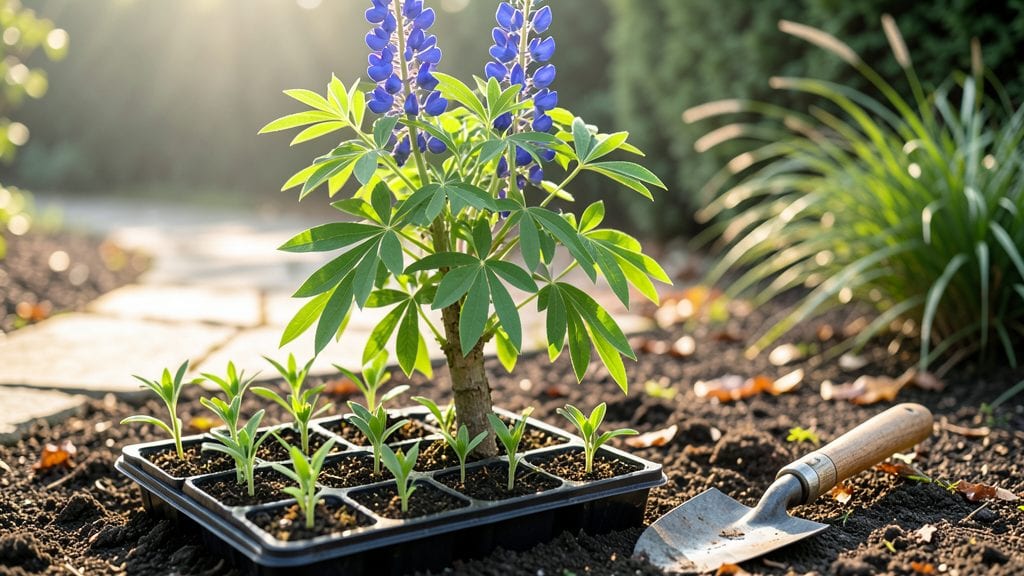
Planting businesses are launched by horticulturists, urban farmers, seed suppliers, and sustainable agriculture advocates who focus on companion planting strategies, organic seed distribution, or permaculture consulting. Their success hinges on plant compatibility knowledge, organic market trends, and wholesale seed partnerships.
The most successful planting businesses are often led by professionals with deep ecological knowledge—think botanists, agronomists, or permaculture designers. 🌱 These experts don't just sell seeds; they educate growers on natural pest control, soil health, and crop rotation techniques that boost yields.
Many start with hands-on experience in organic farming or urban agriculture before scaling into consulting or seed distribution. The key difference? They combine scientific expertise with practical, farm-tested solutions.
For example, a seed supplier might specialize in heirloom varieties that thrive together, while a consultant helps small farms design layouts that maximize space and minimize pests. 💫 The business models vary—some focus on direct sales, others on subscription boxes or online courses—but the core skill remains the same: understanding how plants interact in real-world growing conditions.
💡 In This Article
- Key Roles in Successful Companion Planting Businesses
- Launching a Companion Planting Enterprise: Step-by-Step
Key roles in successful companion planting businesses
Botanists and agronomists form the backbone of successful planting businesses, bringing scientific precision to plant relationships. Their expertise in phytobiomes—the study of plant communities—allows them to identify pairings that naturally repel pests, improve soil fertility, or enhance flavor profiles.
For instance, marigolds planted near tomatoes deter nematodes through allelopathic compounds, while basil boosts tomato growth by up to 25% through shared nutrient uptake. These professionals often hold advanced degrees in horticulture or plant pathology, translating complex ecological interactions into practical growing strategies.
The hands-on experience of urban farmers and permaculture designers adds another critical layer. These practitioners understand real-world growing constraints—limited space, urban heat islands, and soil contamination—that academic research sometimes overlooks.
A permaculture designer, for example, might create a vertical garden system using fast-growing vines (like pole beans) to shade heat-sensitive greens, reducing water needs by 30-40% in summer months. Their business models often blend consulting with direct sales of custom seed mixes tailored to specific microclimates.
Seed suppliers play a distinct role by curating varieties that thrive in companion relationships. Unlike conventional seed companies, these businesses focus on open-pollinated, heirloom strains that maintain genetic diversity—a key factor in long-term ecosystem resilience.
For example, a supplier specializing in Three Sisters gardens (corn, beans, squash) might offer certified organic seeds with detailed planting charts showing optimal spacing (12 inches between corn stalks) and succession timelines. Their success depends on building trust through transparency about seed origins and germination rates.
Sustainable agriculture advocates often bridge the gap between science and community engagement. These entrepreneurs host workshops demonstrating living mulches (like clover under fruit trees) that suppress weeds while adding nitrogen, or teach chop-and-drop cover cropping techniques that improve soil structure.
Their businesses thrive on storytelling—connecting consumers to the ecological benefits of companion planting through farm tours, social media content, and certification programs like Organic Materials Review Institute (OMRI) compliance.
The most innovative planting businesses today combine these roles into integrated models. A botanist-turned-consultant might develop proprietary planting charts for urban farms, while a former seed supplier launches a subscription service delivering seasonal companion plant kits with QR codes linking to care instructions.
What unites them all is a shared language of plant symbiosis—where scientific data meets practical, sensory-rich growing experiences that transform how we think about agriculture.