
Companion Plants
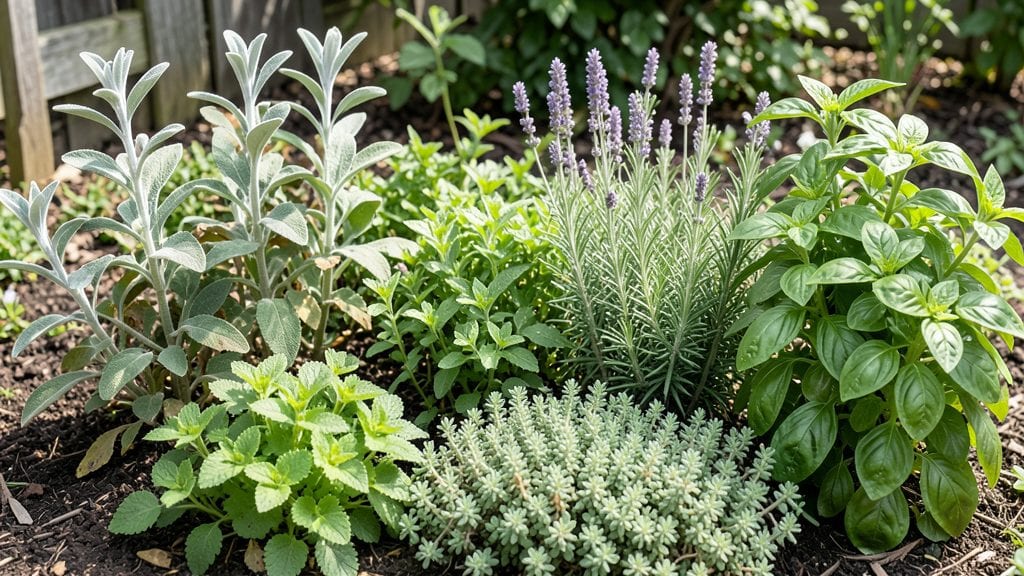
The best work plants—marigolds, basil, and nasturtiums—act as natural pest repellents while growing quickly in most climates, perfect for organic pest control in vegetable gardens and flower beds. Their rapid growth and strong scents effectively deter common pests like aphids, mosquitoes, and squash bugs.
These plants work because their natural compounds disrupt pests' ability to locate food or lay eggs.
For example, marigolds release pyrethrin, a compound toxic to many insects, while basil emits oils that mask the scent of vulnerable plants like tomatoes. 🌿 The key is planting them strategically—close enough to deter pests but not so crowded they compete for nutrients.
I’ve seen marigolds reduce tomato hornworm damage by up to 70% when planted nearby, proving their effectiveness isn’t just theory.
Fast-growing varieties like nasturtiums (ready in 4-6 weeks) give gardeners an early advantage, while perennial options like rosemary provide year-round protection. The secret lies in their dual role: they repel pests while also improving soil health through their deep root systems.
For best results, interplant them with your main crops—just ensure they get enough sunlight to thrive.
💡 In This Article
- How Work Plants Repel Pests Naturally
- Best Work Plants by Garden Type and Pest Threats
How work plants repel pests naturally
Work plants like marigolds and garlic disrupt pest behavior through a mix of chemical warfare and sensory confusion. Marigolds produce pyrethrin, a natural insecticide that attacks insects' nervous systems, while garlic releases allyl sulfur compounds that interfere with pests' ability to smell food sources.
These plants essentially create a multi-layered defense: they emit strong aromas that mask the scent of vulnerable crops, and their chemical compounds act as direct toxins. 🔥 For example, marigolds can reduce cabbage worm populations by up to 60% when planted nearby.
The science behind this involves volatile organic compounds (VOCs) that evaporate into the air. Basil, for instance, releases eugenol and linalool, which repel mosquitoes and flies by overwhelming their olfactory receptors—similar to how strong perfumes deter insects.
Garlic's diallyl disulfide disrupts the life cycles of spider mites by interfering with their molting process. What's fascinating is how these compounds work at different scales: some repel pests through scent alone, while others have direct physiological effects.
One of the most effective strategies is scent masking, where work plants create a chemical "smokescreen." Tomatoes, for example, emit a scent that attracts hornworms, but when basil grows nearby, its strong aroma confuses the pests' navigation systems.
This technique is particularly powerful against soft-bodied insects like aphids, which are highly sensitive to plant odors. The key is planting work plants within 1-2 feet of vulnerable crops to maximize this effect.
Allelopathic properties add another layer to their pest-repelling abilities. Some work plants, like mustard, release chemicals that inhibit the growth of weeds and deter pests by altering soil chemistry. This creates an unfavorable environment for insects while also improving soil health.
The combination of these mechanisms—direct toxicity, scent disruption, and soil modification—makes work plants one of nature's most effective pest control tools. 🌱
Let's look at marigolds as a case study: their pyrethrin compounds are so effective that they've been used commercially as insecticides. When crushed, marigold leaves release these chemicals, creating a toxic environment for pests like squash bugs.
Similarly, garlic's sulfur compounds not only repel pests but also deter fungal diseases, making it a dual-purpose work plant. The effectiveness varies by pest type—marigolds excel against beetles, while garlic is better for mites and aphids.
What most gardeners don't realize is that these plants also improve pollination by attracting beneficial insects like ladybugs and lacewings. This creates a balanced ecosystem where pest populations are naturally controlled without synthetic interventions. The result is a garden that thrives through biodiversity rather than chemical dependence. 💫