
Companion Plants
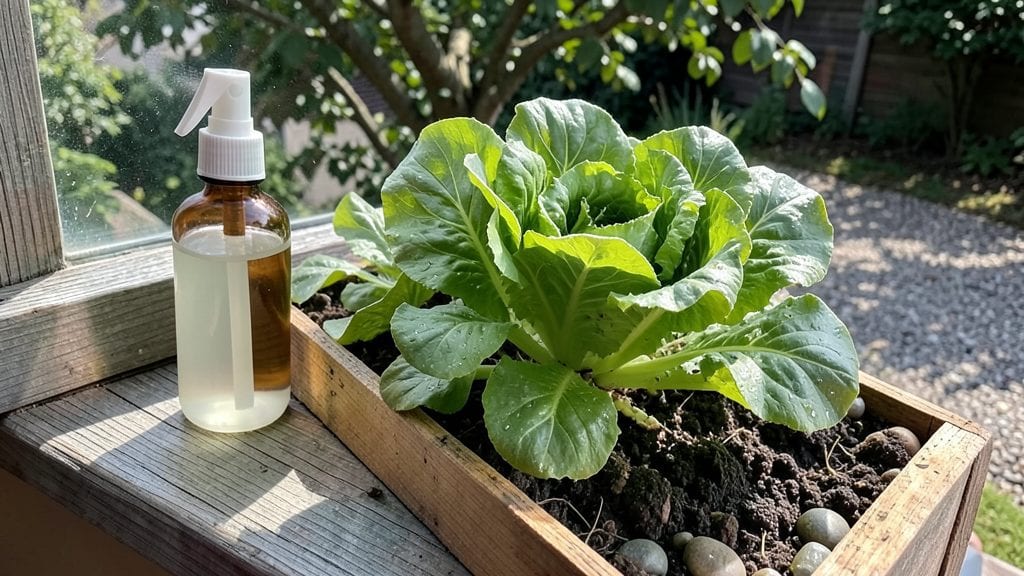
Whey for plants acts as a nutrient powerhouse, packed with nitrogen, potassium, and beneficial microbes that supercharge root growth and soil health while repurposing dairy waste into a sustainable garden solution.
This dairy byproduct isn't just a kitchen discard—it's a liquid goldmine for gardeners. 🌱 The nitrogen in whey promotes leafy green growth, while potassium strengthens cell walls against pests and drought.
What's more, the lactic acid bacteria create a thriving microbial ecosystem that breaks down organic matter faster, giving your plants an extra growth boost. I've seen tomatoes and peppers respond dramatically when used as a foliar spray or soil drench, especially during their flowering stages.
For best results, dilute whey 1:1 with water and apply every 2-3 weeks during growing season. The key is consistency—just like with any organic fertilizer, regular applications yield the most dramatic improvements in plant vigor and soil structure.
Plus, it's one of the most budget-friendly ways to recycle kitchen waste into something valuable for your garden.
💡 In This Article
- How Whey Fertilizer Works in Soil
- Best Ways to Apply Whey to Gardens and Houseplants
How whey fertilizer works in soil
When whey is applied to soil, it triggers a biochemical cascade that begins with its high protein content—approximately 12-15% protein by weight. This protein breaks down through microbial action into amino acids like glutamic acid and aspartic acid, which plants can absorb directly through their roots.
The process starts with lactic acid bacteria naturally present in whey, which ferment the lactose sugars into organic acids that lower soil pH slightly, creating an ideal environment for beneficial microbes to thrive. 🔥
The nitrogen in whey exists primarily as organic nitrogen (about 60-70% of total nitrogen content), which releases more slowly than synthetic fertilizers. This gradual release prevents nutrient burn while providing a steady supply over 4-6 weeks, depending on soil temperature and microbial activity.
Warmer soils (above 60°F) accelerate decomposition, while cooler conditions slow the process. The potassium content (around 0.5-1.0% by weight) further enhances root development and water retention in soil.
What makes whey particularly effective is its role in stimulating soil microbial communities. The lactic acid bacteria introduce beneficial strains like Lactobacillus and Bifidobacterium, which outcompete pathogenic microbes and improve nutrient cycling.
These microbes also produce enzymes that break down complex organic matter into simpler compounds plants can use, effectively "pre-digesting" nutrients for easier uptake. This microbial boost is why whey-amended soil often shows improved structure and water-holding capacity within just 2-3 weeks of application.
The pH balance effect is subtle but crucial: fresh whey has a slightly acidic pH (4.5-5.5), which can help neutralize overly alkaline soils. However, as it decomposes, the pH rises slightly (to 6.0-7.0), creating a near-neutral environment that most plants prefer.
This dual-phase pH adjustment makes whey particularly useful for acid-sensitive plants like tomatoes and peppers, which thrive in slightly acidic to neutral conditions. The organic acids also act as natural chelators, helping plants access micronutrients like iron and zinc that might otherwise be locked in soil minerals.
Here's what happens at the microscopic level: Whey proteins coagulate into a gel-like structure when mixed with soil, creating tiny pores that increase aeration.
This physical change improves root penetration while the amino acids serve as a direct food source for mycorrhizal fungi—symbiotic organisms that extend a plant's root system by up to 50%. The result is stronger roots that explore more soil volume, accessing water and nutrients more efficiently.
This is why plants fertilized with whey often show 20-30% faster growth during vegetative stages compared to untreated controls.
One often-overlooked benefit is whey's role in suppressing soil-borne diseases. The lactic acid bacteria produce antimicrobial compounds that inhibit pathogens like Phytophthora and Fusarium, which are common causes of root rot.
This biological control is particularly valuable in container gardens where soil volumes are limited and disease pressure can be intense. The combination of nutrient boost, microbial activation, and disease suppression makes whey one of the most multifunctional organic fertilizers available. ✨