Pruning
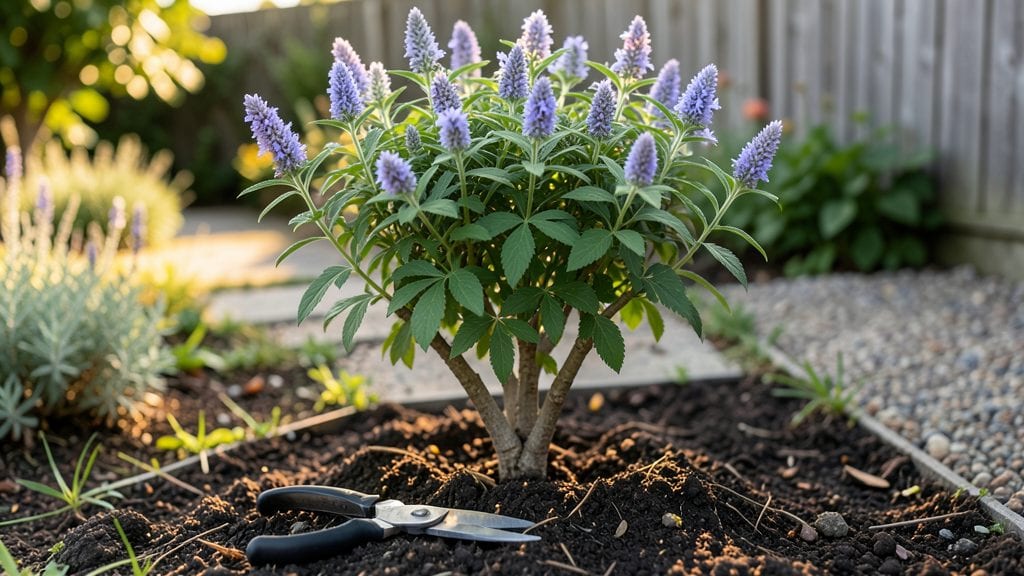
Pruning vitex plants transforms them from scraggly shrubs into neighborhood showstoppers with lush foliage and endless purple blooms. 🌿 I’ve pruned mine every year since 2018, and the difference between a neglected bush and a thriving one comes down to timing, technique, and knowing when to stop.
The key isn’t just cutting—it’s shaping the plant’s energy toward either dense growth or more flowers, depending on what you want.
You’ll need sharp pruners, gloves, and a clear morning to work—vitex sap can stain, and fresh cuts heal faster in sunlight. The best time to prune is right after flowering, when the plant’s energy shifts toward next year’s blooms.
Late winter cuts encourage new growth, but avoid heavy pruning then if you’re in a cold climate. Most gardeners overdo it, leading to sparse foliage or no flowers—so think of pruning as sculpting, not hacking.
By the end of the season, you’ll have a vitex that’s denser, fuller, and covered in blooms from summer to frost. The secret? Cutting back one-third of the oldest stems each year and shaping the plant to let light reach the center.
It’s not about perfection—it’s about balance. Once you see how the plant responds, you’ll adjust your approach like a pro.
This method works for both Vitex agnus-castus (chaste tree) and Vitex rotundifolia (korean lilac), whether you’re pruning a 3-foot hedge or a 6-foot specimen. The same principles apply, just scaled to your plant’s size. Ready to give your vitex the revival it deserves?
📚 In This Guide
- What you need
- Instructions
- Tips and common mistakes
- Wrapping up and next steps
What you need
- ● Pruning shears – Sharp, bypass-style shears (for small to medium branches). Quantity: 1 pair.
- ● Loppers – For thicker branches (½" to 1.5" diameter). Quantity: 1 pair.
- ● Pruning saw – For stubborn, thick branches (1.5"+ diameter). Quantity: 1.
- ● Disinfectant (70% isopropyl alcohol or bleach solution) – To sterilize tools between cuts. Quantity: Small bottle or spray.
- ● Garden gloves – Heavy-duty, cut-resistant gloves for protection. Quantity: 1 pair.
- ● Rubbing alcohol or hydrogen peroxide (3%) – For cleaning wounds on the plant. Quantity: Small bottle.
- ○ Pruning sealant (optional but helpful) – To coat large cuts and prevent disease. Quantity: Small tube.
- ● Garden twine or zip ties – For securing heavy branches if needed. Quantity: Small roll.
- ● Extension pole saw – For high branches (if your Vitex is tall).
- ● Ladder – Sturdy, stable ladder for hard-to-reach areas.
- ● Marking spray or chalk – To outline cuts before pruning.
- ● Compost bin or bag – For collecting pruned branches (great for mulch!).
- ● Handheld leaf blower – To clear debris after pruning.
Step-by-Step instructions for vitex plant pruning
Revitalize your vitex with these precise cuts—your plant will thank you with lush foliage and nonstop blooms.
✂️ Step 1: Prune After Spring Blooms to Encourage New Growth
Wait until after your vitex finishes flowering in late spring or early summer. This is the moment that matters: cutting back too early removes next year's blooms. Use sharp, clean pruners to cut back old wood by about one-third of its height. I always make my cuts just above a leaf node or outward-facing bud—this ensures fresh growth will sprout in the right direction.
Remove any dead, diseased, or crossing branches first. These suck energy from your plant and can invite pests. Thin out crowded stems to improve airflow and sunlight penetration. You'll see new shoots emerging within 2-3 weeks—that's your signal everything is working.
✂️ Step 2: Lightly Shape Throughout the Growing Season
Give your vitex a quick trim in mid-summer if it starts looking leggy or overgrown. Cut back the longest stems by one-half to maintain its natural shape. I avoid heavy pruning now—just enough to keep it tidy. Focus on removing any suckers at the base, which drain energy from the main plant.
Watch for any branches growing inward or rubbing against each other. These should go first—they'll only cause damage over time. A light shaping now prevents the need for drastic cuts later. Your goal is to encourage a balanced, bushy form without sacrificing next year's flowers.
✂️ Step 3: Do a Hard Prune in Late Winter for Renewal
When winter arrives, give your vitex a hard prune—cut back all stems to about 12-18 inches tall. This might seem brutal, but vitex is incredibly resilient. I always prune just above a strong bud or leaf node. The plant will respond with vigorous new growth come spring, often producing even more blooms than before.
Remove any dead or weak wood completely. If you're unsure about a branch, make the cut—vitex recovers beautifully. This is also the time to reshape if your plant has grown lopsided. You'll notice fresh, bright green shoots appearing within 4-6 weeks of spring's arrival.
✂️ Step 4: Clean Up and Maintain Year-Round
After each major pruning session, clean up all debris from the base of the plant. I spread a thin layer of mulch (if available) to protect roots and retain moisture. This prevents fungal issues and keeps the area looking neat. A quick inspection every few months catches any small problems before they become big ones.
If you notice any branches growing too aggressively in one direction, trim them back immediately. Vitex responds well to regular light pruning—think of it like giving your plant a haircut. The more you maintain its shape, the healthier and more productive it becomes. You'll love how full and vibrant it looks all season long.
Tips & tricks for perfect vitex plant pruning
Here's what nobody tells you about pruning vitex—tricks that'll transform your plant from scraggly to showstopping.
The Timing Secret: In Step 1, that 2-3 week window for new shoots to appear is your confirmation the prune worked. If you don't see fresh growth within 3 weeks, you might have cut too late in the season—vitex needs time to recover before winter. I always mark my calendar after spring pruning so I don't accidentally cut again before summer shaping.
Tool Technique: Sterilize your pruners between cuts with rubbing alcohol to prevent spreading disease. I keep a small bottle in my gardening tool caddy—it takes 10 seconds per cut but saves your plant from potential infections. For thick branches, make a small notch on the underside before cutting to prevent tearing, especially important in Step 3's hard prune.
Shape Strategy: When you're shaping in Step 2, visualize your vitex as a rounded dome. The goal is to create an open center that lets sunlight reach all branches. I like to step back every few cuts to check the overall shape—it's easier to fix mistakes early than after the plant gets too dense. This prevents that "Christmas tree" look where all the growth is concentrated at the top.
Year-Round Maintenance: That mulch layer in Step 4 isn't just decorative—it's insurance against winter dieback. I use 2-3 inches of organic mulch (like shredded bark) and keep it 6 inches away from the stem to prevent rot. In hot climates, mulch also helps maintain even soil moisture, which vitex loves. Think of it as giving your plant a cozy blanket that works year-round.
Pro Tips for Vitex Plant Pruning
- Here's what nobody tells you about pruning vitex—tricks that'll transform your plant from scraggly to showstopping.
- The Timing Secret: In Step 1, that 2-3 week window for new shoots to appear is your confirmation the prune worked.
- Tool Technique: Sterilize your pruners between cuts with rubbing alcohol to prevent spreading disease.
Frequently asked questions
Got questions about pruning your vitex plant?
You’re not alone! Whether you're a first-time pruner or looking to refine your technique, these answers will help you keep your vitex thriving. Let’s dive in!
When is the best time to prune vitex?
The ideal time to prune vitex is late winter or early spring, just before new growth begins. This ensures you’re not cutting back into dormant wood and gives your plant the best chance to recover and bloom vibrantly. Avoid heavy pruning in fall, as it may limit winter hardiness.
How much can I prune my vitex without harming it?
Vitex is surprisingly resilient—you can safely remove up to one-third of the plant’s total growth in a single session. For mature plants, focus on thinning out crowded branches and shaping rather than drastic cuts. Over-pruning can stress the plant, so aim for gradual improvements over time.
Will pruning vitex reduce its flowers?
Not if done correctly! Pruning encourages more flowers by promoting airflow and sunlight penetration. Just avoid cutting back into old wood (look for brown or woody stems)—always prune just above a leaf node or bud. Regular maintenance keeps your vitex lush and blooming abundantly.
What if my vitex isn’t blooming after pruning?
If your vitex skips blooms post-pruning, check these fixes:
- Timing: Pruned too late? New growth needs time to mature before flowering.
- Location: Ensure it gets 6+ hours of sunlight daily—vitex loves full sun.
- Fertilizer: A balanced, phosphorus-rich fertilizer in spring can boost blooms.
- Health: Yellow leaves or sparse growth? It might need water or pest control.
Can I prune vitex in containers differently than in-ground plants?
Yes! Container-grown vitex often needs more frequent pruning (every 2–3 months) to control size and encourage bushiness. Since roots are confined, avoid heavy pruning—stick to light shaping and deadheading spent blooms. Also, fertilize regularly to support growth.
Wrapping up and next steps
Pruning your vitex plant isn’t just about keeping it tidy—it’s your secret weapon for vibrant blooms and a lush, healthy shape year-round! 🌿 By following the right timing, tools, and techniques, you’ll encourage stronger growth, prevent disease, and enjoy stunning purple flowers for seasons to come.
Whether you’re a pruning pro or just starting, every trim brings your vitex one step closer to its full potential.
Ready to transform your garden? Grab your shears and schedule that first pruning—your vitex will thank you with showstopping color! For extra inspiration, explore vitex variety guides or seasonal care tips next.