
Vegetables
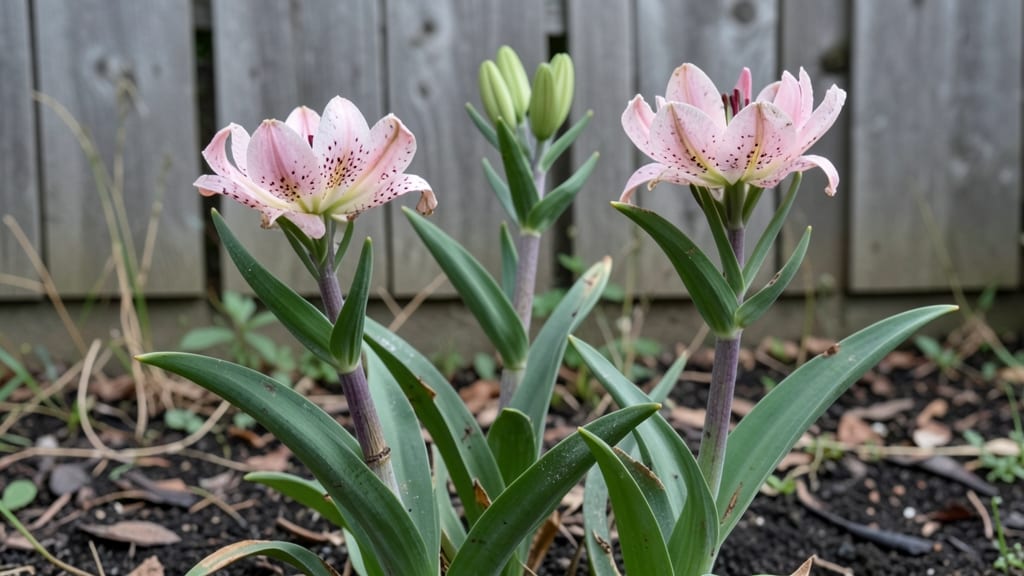
The Turkish turban plant, with its striking striped blooms, is the star of my garden—hummingbirds adore them, and I fell in love after spotting one in a neighbor’s sunny border. 🌿 Now I grow them every year for their bold presence and effortless charm.
The secret to happy Turk's Cap Lilies is well-draining soil and full sun—they'll reward you with 6-foot-tall stems loaded with fragrant flowers from midsummer to early fall.
Unlike fussy lilies, these thrive in average garden soil as long as it doesn't stay soggy, and they handle heat better than most perennials in zones 3-8.
Once established, they multiply underground, creating natural clusters that spread over time. The key is planting bulbs 6 inches deep in early fall, giving them time to root before winter.
You'll see the first shoots emerge in spring, and by July, you'll have a vertical garden showstopper that lasts for weeks.
Pair them with lavender, catmint, or daylilies for a sun-loving combination that blooms all season. Even deer tend to leave them alone—perfect for low-maintenance gardens where you want drama without the fuss.
📚 In This Guide
- What you need
- Instructions
- Tips and common mistakes
- Wrapping up and next steps
What you need
- ● Turkish Turban seeds: 1 packet (50-100 seeds) for a vibrant display. Opt for organic, non-GMO seeds for best results.
- ● Well-draining potting mix: 10-15 lbs of high-quality, peat-based or coco coir mix (pH 6.0-7.0). Add perlite or vermiculite (1 part per 4 parts soil) for aeration.
- ● Containers or garden bed: Containers: 5-6 inch pots (3-5 plants per pot) with drainage holes.
- ● Garden bed: Full-sun spot (6+ hours of direct light) with loose, fertile soil.
- ● Slow-release fertilizer: 1 lb of 10-10-10 or balanced organic fertilizer (e.g., fish emulsion) to boost early growth.
- ● Watering can or hose: With a gentle spray nozzle for even moisture.
- ● Gloves & knee pads: For comfortable handling and planting.
- ● Trowel or small shovel: For transplanting seedlings.
- ● Pruning shears: To trim spent blooms and encourage new growth.
- ○ Mulch (optional): 2-3 inches of straw or shredded leaves to retain moisture.
- ○ Sunlight gauge (optional): To monitor light exposure for optimal blooming.
Step-by-Step instructions for cultivating Turkish turban plants
Here's how to grow these striking, sun-loving perennials with minimal fuss.
🌱 Step 1: Select the Perfect Planting Location
Turkish turban plants (Lilium martagon) thrive in full sun to partial shade, but their signature striped blooms develop most vividly in 6+ hours of direct sunlight daily. Choose a spot with well-draining soil—they'll tolerate a range of conditions, but soggy roots lead to rot. I always test drainage by digging a hole, filling it with water, and watching how fast it drains; if it takes more than 30 minutes, amend the soil with compost or sand.
These plants spread slowly but steadily, so give them 18-24 inches of space between each plant. If you're planting in a border, consider their mature height of 2-3 feet and arrange them where they won't be overwhelmed by taller neighbors. I like to plant mine near shrubs that provide light afternoon shade in hot climates—this prevents the foliage from scorching while still allowing enough sun for those dramatic blooms.
🪴 Step 2: Prepare the Soil and Plant the Bulbs
Turkish turban bulbs need loose, fertile soil rich in organic matter. Mix 2-3 inches of compost into the top 6 inches of soil at the planting site. Avoid heavy clay—it suffocates roots and causes the bulbs to rot. If your soil is dense, work in 1 part perlite or coarse sand per 3 parts soil to improve drainage.
Plant the bulbs in fall, 4-6 weeks before the first frost, when soil temperatures drop below 60°F. Dig a hole 6-8 inches deep—about 3 times the bulb's height—and place the bulb with the pointed end facing up. Space bulbs 12-18 inches apart in rows or clusters. Cover with soil and water deeply to settle it around the bulb. You'll see shoots emerge in 4-6 weeks, but the real magic happens the following summer when those striped blooms appear.
☀️ Step 3: Provide Consistent Care Through the Growing Season
Once established, Turkish turban plants are low-maintenance, but they do appreciate regular watering during their active growing season. Water 1-2 times per week to keep the soil evenly moist but not soggy. You'll know it's time to water when the top 2 inches of soil feel dry to the touch. Mulch with 2-3 inches of organic mulch (like shredded bark or straw) to retain moisture and regulate soil temperature.
Fertilize in early spring with a balanced, 10-10-10 fertilizer applied at half strength. This gives the plants a gentle boost without encouraging excessive foliage growth at the expense of blooms. I avoid high-nitrogen fertilizers—they produce lush leaves but fewer flowers. Deadhead spent blooms to encourage a second flush of flowers in some climates, but don't worry if yours skips this step. These plants are forgiving and will reward your patience with years of striking blooms.
✂️ Step 4: Protect and Prepare for Winter
Turkish turban plants are hardy to USDA Zone 3, meaning they'll survive winter in most climates. However, in areas with heavy frost or wet winters, protect the bulbs by adding an extra 2-3 inches of mulch after the first frost. This insulates the soil and prevents heaving, which can damage the bulbs. In containers, move pots to a sheltered location or wrap them in burlap for extra protection.
In late winter or early spring, as new shoots emerge, remove the mulch to allow the soil to warm up. This encourages vigorous growth. Watch for signs of pests like aphids or slugs—these plants are generally pest-resistant, but a strong jet of water usually clears minor infestations. If you notice yellowing leaves, it's often a sign of overwatering or poor drainage, so adjust your watering schedule or amend the soil as needed.
🌿 Step 5: Enjoy and Propagate Your Plants
Turkish turban plants bloom in late spring to early summer, producing those iconic striped, turban-like flowers that resemble lilies. Each stem can carry 3-6 blooms, and the plants multiply slowly over time. If you want to expand your garden, dig up offsets in fall when the foliage has died back. Gently separate the smaller bulbs from the parent plant and replant them immediately in their new location.
These plants are long-lived and will thrive for decades with minimal care. The key is patience—it can take 2-3 years for a newly planted bulb to produce its first bloom, but once established, they'll naturalize beautifully in your garden. I love planting them near pathways where their striking flowers can be admired up close, or in mixed borders where their height and color contrast with other perennials. With proper care, your Turkish turban plants will become a showstopper in your garden for years to come.
Tips & tricks for perfect Turkish turban plant cultivation
These simple tricks will help you coax those stunning striped blooms from your Turkish turban plants with confidence.
Sunlight Strategy: Those 6+ hours of direct sunlight in Step 1 are non-negotiable for vibrant blooms, but here's the thing: morning sun with afternoon shade works best in hot climates. I've seen plants in southern gardens struggle when exposed to full afternoon sun—leaves can scorch while the bulbs try to bloom. If your area gets intense afternoon heat, plant near deciduous shrubs that will provide natural shade later in the season.
Soil Preparation Secret: When amending your soil in Step 2, don't just toss in compost—work that 2-3 inches of compost into the top 6 inches thoroughly. I use a garden fork to mix it in like I'm making lasagna layers. This creates the perfect loose, fertile environment those bulbs crave. For heavy clay soil, the perlite-to-soil ratio of 1:3 is your best friend—it's like giving your roots a breath of fresh air.
Planting Timing: That 4-6 week window before frost in Step 2 gives bulbs time to establish roots before winter. But here's what nobody tells you—if you're in a mild climate where frost comes late, you can plant as late as 6 weeks before your first frost date. The key is getting those bulbs in before soil temps drop below 60°F. I always check my local frost date calendar and count backward to plan my planting day.
Watering Wisdom: The 1-2 times per week guidance in Step 3 is perfect, but let me show you how to read your plants. Stick your finger 2 inches into the soil—if it feels dry, water deeply until it runs out the bottom of the pot or drainage holes. The goal is even moisture, not soggy soil. I've found that watering in the morning gives plants a head start for the day, and mulching with 2-3 inches of organic material keeps that moisture right where it needs to be.
Pro Tips for Turkish Turban Plant
- These simple tricks will help you coax those stunning striped blooms from your Turkish turban plants with confidence.
- Sunlight Strategy: Those 6+ hours of direct sunlight in Step 1 are non-negotiable for vibrant blooms, but here's the thing: morning sun with afternoon shade works best in hot climates.
- Soil Preparation Secret: When amending your soil in Step 2, don't just toss in compost—work that 2-3 inches of compost into the top 6 inches thoroughly.
Frequently asked questions
Got questions about growing the Turkish turban plant (Lilium martagon)? You’re not alone! Here are answers to the most common queries to help you cultivate stunning striped blooms with confidence.
How long does it take for Turkish turban plants to bloom?
Patience is key! These beauties typically take 2–3 years from seed to bloom when grown from scratch. If you plant bulbs, expect flowers in 1–2 years, depending on climate and care. Plant in early fall for the best results.
Can Turkish turban plants survive in hot, dry climates?
but with a little help! They thrive in full sun but need consistent moisture, especially during their first growing season. Mulch around the base to retain soil moisture and protect roots. Once established, they’re drought-tolerant but still appreciate occasional watering.
What can I do if my Turkish turban plant isn’t blooming?
No flowers? Check these fixes:
- Sunlight: Ensure they get 6+ hours of direct sun daily.
- Soil: Amend heavy or clay soil with compost for better drainage.
- Age: Younger plants (under 2 years) may not bloom yet.
- Fertilizer: Use a balanced bulb fertilizer in early spring.
Are Turkish turban plants deer-resistant?
While not fully deer-proof, they’re less appealing than many other plants due to their mild toxicity (thanks to alkaloids). For extra protection, plant them near deer-resistant companions like lavender or alliums, or use repellent sprays.
Can I grow Turkish turban plants in containers?
Yes! Choose a large pot (at least 12 inches deep) with drainage holes and well-draining soil. Use 3–5 bulbs per container for a fuller look. Place in full sun and water regularly. Just remember: container-grown bulbs may bloom later than those in the ground.
Wrapping up and next steps
The Turkish turban plant is a stunning, low-maintenance addition to any sunny garden, offering vibrant blooms and edible leaves that reward both beauty and utility. With its love for full sun and well-draining soil, this plant thrives with minimal fuss—perfect for beginners and seasoned gardeners alike. 🌿
Ready to bring bold stripes and fresh flavors to your space? Start by gathering your supplies, then plant with confidence! Watch your garden transform as these striking plants flourish—one sunlit season at a time.