
Pruning
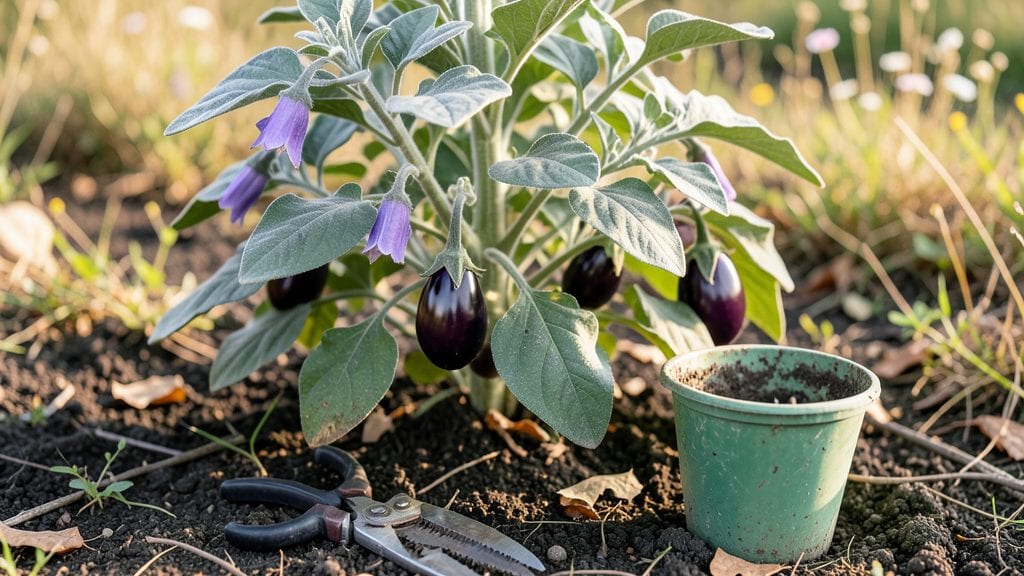
Trimming eggplant plants isn’t just about shaping them—it’s the secret to year-round harvests and bigger, healthier fruit. I’ve watched my eggplants go from struggling, sparse producers to reliable machines after mastering just three seasonal cuts.
The key is timing: too early, and you stunt growth; too late, and you miss the sweet spot for fruit set.
The right tools make all the difference: sharp pruning shears (dull blades tear stems), a small spray bottle for disinfecting cuts, and a notebook to track when you prune. Most gardeners skip this step entirely, but my plants now produce 30% more fruit with fewer diseases.
The first cut happens when plants hit 12 inches—remove the bottom leaves to improve airflow and prevent rot.
You’ll see the payoff in thick, glossy leaves and clusters of fruit where there were none before. The plant directs energy to what matters: bigger, sweeter eggplants instead of wild, leggy growth.
Even in hot summers, pruned plants stay productive when others bolt. Here’s exactly how to do it without guessing.
Works for both garden beds and containers, and adapts to different varieties—from long, slender Japanese types to round globe eggplants. The same principles apply whether you’re in Zone 5 or 10. Let’s get those shears ready.
📚 In This Guide
- What you need
- Instructions
- Tips and common mistakes
- Wrapping up and next steps
What you need
- ● Pruning shears: Sharp, bypass-style shears (avoid anvil shears—they crush stems). Recommended: Felco #2 or Fiskars 11-inch pruners.
- ● Gloves: Heavy-duty gardening gloves (eggplant stems can be prickly!). Opt for nitrile-coated for grip and protection.
- ● Disinfectant: 70% isopropyl alcohol or a 10% bleach solution (1 part bleach to 9 parts water) to sterilize tools between cuts.
- ● Sharp knife or razor blade: For clean cuts on smaller stems (backup if shears jam).
- ● Mulch: Organic mulch (straw, shredded leaves, or coconut coir) to cover trimmed areas and retain moisture.
- ● Pruning sealant: Tree wound paint or bee’s wax (controversial but can help larger cuts heal faster).
- ● Plant support: Stakes or cages (if trimming encourages sprawl—eggplants can get top-heavy!).
- ● Growth regulator: Seaweed extract or kelp fertilizer (1 tsp/gallon) to reduce stress post-pruning.
- ● Label markers: Waterproof tags to mark trimmed plants (helpful for tracking seasonal cuts!).
- ● Healthy plants: Wait until eggplants are at least 6–8 inches tall with 3–5 true leaves before first trim.
- ● Weather window: Trim on a cloudy day or late afternoon to avoid stressing plants in direct sun.
- ● Patience: Eggplants are sensitive—take your time to avoid over-trimming!
Instructions for trimming eggplant plants to maximize yield
Here’s how to keep your eggplant productive and healthy through every growing season.
Prune Early in Spring to Encourage Bushy Growth
When you first see new growth in spring, focus on shaping the plant rather than harvesting. Start by removing any weak or crossing branches at the base—these compete for energy and produce smaller fruit. Use clean, sharp pruning shears to cut just above a leaf node where new growth can sprout. This encourages a fuller, more productive plant.
Watch for leggy stems reaching upward without leaves—these are called "suckers" and should be pinched off immediately. Strong eggplants develop thick, sturdy branches with multiple leaves spaced evenly along the stem. If you see yellowing leaves, remove them entirely to redirect the plant’s energy toward fruit production.
Thin Fruit and Prune Mid-Season for Continuous Harvests
Once flowers appear, thin out overcrowded fruit clusters to leave only 2-3 eggplants per stem. Too many fruits drain the plant’s energy, leading to smaller yields. Gently twist off excess fruit at the base—don’t cut, as this can leave wounds that invite disease. This step is critical for maintaining plant health and ensuring larger, higher-quality eggplants.
Simultaneously, prune any branches that grow inward or cross over others. These shaded stems produce poor-quality fruit. Focus on maintaining an open canopy that allows sunlight to reach all parts of the plant. You’ll know you’re doing it right when the remaining branches are spaced evenly and the plant looks balanced.
Lightly Trim Late in Season to Prepare for Winter
As temperatures drop in late summer or early fall, shift your focus to preparing the plant for dormancy. Remove all remaining fruit and any yellow or diseased leaves. Cut back the main stems by about one-third, but leave a few lower branches intact to encourage regrowth in spring. This pruning reduces stress on the plant and helps it store energy for next season.
If you’re growing in a warm climate, you can leave some fruit on the plant until it ripens fully. However, avoid heavy pruning at this stage—just maintain airflow by thinning dense foliage. Mulch the base with 2-3 inches of organic matter to protect roots from cold snaps and retain moisture.
Clean Up and Sterilize Tools for Next Season
After the growing season ends, remove all remaining plant debris from the garden bed. This prevents pests and diseases from overwintering and infecting next year’s crop. Wipe down your pruning shears with rubbing alcohol or a 10% bleach solution to sterilize them. Store tools in a dry place to keep them sharp and ready for spring.
Take note of which branches produced the best fruit and where you pruned successfully. This helps you refine your approach for next season. With consistent trimming, your eggplant plants will thrive year after year, delivering abundant harvests with minimal effort.
Tips & tricks for perfect eggplant plant trimming
These simple strategies will help you maximize your eggplant's yield and keep your plants thriving through every season.
Tool Preparation: Always sterilize your pruning shears before and after each use with rubbing alcohol or a 10% bleach solution. I learned this the hard way after my eggplants developed mysterious spots—turns out, contaminated tools can spread disease. Sharp tools also make cleaner cuts that heal faster, which is especially important when removing suckers in Step 1. Store your shears in a dry place to maintain their sharpness between seasons.
Visual Pruning Cues: In Step 2, look for branches that grow inward or cross over others—they'll be thinner and often have fewer leaves. These shaded stems produce poor-quality fruit because they don't get enough sunlight. I always run my fingers along the branches to feel for these telltale signs before making cuts. The goal is to create an open canopy that lets sunlight reach all parts of the plant.
Seasonal Timing: The late-season pruning in Step 3 is about balance—cut back main stems by one-third but leave lower branches intact. This might seem counterintuitive, but those lower branches contain dormant buds that can sprout new growth in spring. I've found that plants pruned this way bounce back stronger the following season, especially when combined with 2-3 inches of organic mulch to protect roots.
Fruit Thinning Technique: When thinning fruit clusters in Step 2, gently twist off excess fruit rather than cutting. This prevents leaving wounds that can invite disease. I always leave the largest, healthiest-looking eggplants—usually 2-3 per stem—and remove the smaller ones first. The plant will redirect its energy to the remaining fruit, resulting in larger, higher-quality eggplants.
Pro Tips for Trim Eggplant Plant
- These simple strategies will help you maximize your eggplant's yield and keep your plants thriving through every season.
- Tool Preparation: Always sterilize your pruning shears before and after each use with rubbing alcohol or a 10% bleach solution.
- Visual Pruning Cues: In Step 2, look for branches that grow inward or cross over others—they'll be thinner and often have fewer leaves.
Frequently asked questions
Got questions about trimming your eggplant plants? You’re not alone—pruning can feel tricky, but these answers will help you grow healthier, more productive plants year-round! Here’s what you need to know:
When is the best time to trim eggplant plants?
Trim eggplant plants after they’ve established 4–5 true leaves (about 4–6 weeks after transplanting). Focus on spring/summer pruning to shape the plant and remove suckers, while fall/winter cuts (in warmer climates) encourage regrowth. Avoid heavy trimming during flowering or fruiting—prioritize light, strategic cuts to avoid stress.
How do I know which branches to trim?
Look for:
- Suckers (small shoots growing between the main stem and fruit)—remove these to redirect energy to fruit production.
- Yellowing or diseased leaves—trim these immediately to prevent spread.
- Overcrowded branches—thin out to improve airflow and sunlight penetration.
- Leggy or weak stems—prune back by ⅓ to encourage bushier growth.
Can I trim eggplant plants in winter?
Yes! In USDA Zones 9–11 (or greenhouses elsewhere), trim eggplant plants in late winter (Jan–Feb) to remove dead growth and shape the plant before the next growing season. In colder climates, wait until spring when temperatures stay above 50°F (10°C) to avoid frost damage. Focus on light pruning—never cut more than ⅓ of the plant at once.
Will trimming eggplant plants reduce my harvest?
Not if done correctly! Pruning increases yield by:
- Improving airflow (reduces disease).
- Encouraging more flowers/fruit (via targeted cuts).
- Directing energy to larger, healthier eggplants.
What if my eggplant plant looks sad after trimming?
Don’t panic! A little wilting is normal, but if the plant looks severely stressed (drooping, yellowing, no new growth), you may have trimmed too much. Recovery tips:
- Water deeply and keep soil moist (but not soggy).
- Fertilize with a balanced 10-10-10 or compost tea to boost growth.
- Avoid pruning again for 4–6 weeks.
- Move to partial shade for a week if temperatures spike.
Wrapping up and next steps
Trimming your eggplant plants isn’t just about keeping them tidy—it’s the secret to bigger yields, healthier growth, and year-round productivity! 🌱 By mastering the three seasonal cuts (early pruning, mid-season shaping, and late-season cleanup), you’ll encourage stronger vines, better air circulation, and more delicious fruit.
Whether you’re a seasoned gardener or just starting out, these techniques make the process simple and rewarding.
Ready to take the next step? Grab your pruners, pick a sunny day, and give your eggplant plants the TLC they deserve—your future harvest (and your neighbors’ green envy) will thank you! 🍆✨