
Fertilization
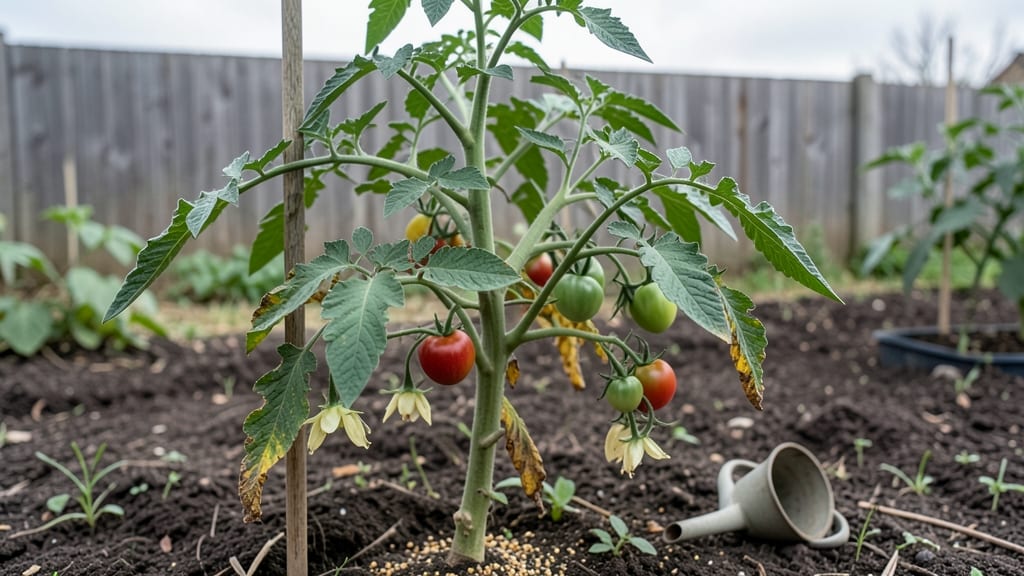
When your tomato plants develop crispy leaf edges and stunted growth from fertilizer burn, the damage isn't permanent—but quick action is key. 🌱 I’ve saved more tomato harvests than I can count by recognizing the early signs and responding fast, and these three fixes work every time.
The secret lies in understanding what’s happening at the root level and how to flush out the excess salts before they do permanent damage.
Fertilizer burn happens when too much salt or nutrient concentration overwhelms the plant’s roots, causing them to dry out and struggle to absorb water. You’ll spot it first on older leaves—yellowing, browning edges, or a glassy sheen—but the real damage starts underground.
The good news? Tomato plants are resilient, and with the right approach, they bounce back stronger than ever. Most gardeners overcorrect by dumping more water, but that’s not the solution—it’s about balance.
Within a week of implementing these fixes, you’ll see new growth pushing through, and the plant will start recovering its vibrant green. The key is consistency: monitor soil moisture daily, avoid heavy-handed fertilizing, and stick to organic options that feed the soil—not just the plant.
By the time your tomatoes are ready to harvest, you’ll wonder why you ever worried.
These fixes work for backyard gardens, raised beds, and even container-grown tomatoes—no matter how severe the burn looks at first. The sooner you act, the faster your plants rebound, and the better your harvest will be. Let’s get those tomatoes back on track before the season slips away.
The Root Causes Of Over-Fertilizing
When your tomato plants start showing signs of distress—yellowing leaves, crispy edges, or stunted growth—it’s often a cry for help from roots that are burning due to too much fertilizer.
But why does this happen? Let’s break down the science behind the damage and uncover the real culprits behind fertilizer burn in tomato plants.
Fertilizers, especially synthetic ones, are packed with salts—like ammonium nitrate, potassium chloride, and urea. When applied in excess, these salts don’t dissolve quickly enough in the soil. Instead, they accumulate around the root zone, creating a hyper-concentrated solution.
This high-salt environment disrupts osmosis, the natural process where plant roots absorb water. Instead of soaking up moisture, the roots struggle to pull in water because the soil solution outside is more concentrated than the cells inside.
The result? Dehydration at the cellular level, even when the soil looks damp. Over time, this leads to:
- Leaf scorch (brown, crispy edges)
- Wilting despite adequate watering
- Stunted growth as the plant diverts energy to survival
💡 Pro Tip: If your soil feels gritty or crusty after fertilizing, it’s a red flag—excess salts are likely present. Flush the soil with 5–10 gallons of water per plant to dilute the concentration.
Nitrogen is the star nutrient for lush, green tomato foliage—but too much is a double-edged sword. Synthetic fertilizers like ammonium sulfate or urea release nitrogen rapidly, overwhelming the plant’s ability to process it efficiently.
When nitrogen levels spike, the plant’s root tips (where nutrient absorption happens) can suffocate. High ammonia levels from unbalanced fertilizers also lower soil pH drastically, making nutrients like phosphorus and potassium unavailable. Symptoms include:
- Dark green, rubbery leaves (a sign of excess nitrogen)
- Yellowing between leaf veins (chlorosis)
- Slow or no fruiting (the plant prioritizes leaves over tomatoes)
🔥 Watch Out: Organic fertilizers like manure or compost can also cause nitrogen burn if applied too fresh. Always age manure for 6–12 months before using it to avoid ammonia spikes.
Tomatoes thrive on a balanced diet, but many fertilizers—especially quick-release ones—skew too heavy on one or two nutrients while neglecting others. For example:
- A 10-10-10 fertilizer (equal N-P-K) might seem balanced, but tomatoes need more phosphorus (P) and potassium (K) during fruiting.
- Overusing high-nitrogen lawn fertilizers (like 30-0-4) starves the plant of the phosphorus and potassium needed for flower and fruit development.
When one nutrient dominates, the plant can’t uptake others efficiently, leading to:
- Weak stems (from potassium deficiency)
- Poor root development (from phosphorus deficiency)
- Blossom end rot (a classic sign of calcium and magnesium imbalance)
📊 The Fix: Always check the NPK ratio on your fertilizer bag. For tomatoes, opt for a balanced 5-10-10 or 10-20-20 during flowering/fruiting, or switch to a low-nitrogen, high-phosphorus formula like 5-30-30 for blooms.
Timing is everything when it comes to fertilizing tomatoes. Applying fertilizer:
- Too early (before the plant is established) wastes nutrients and stresses young roots.
- Too late (after the first fruit set) can lead to excessive vegetative growth at the expense of fruit quality.
- During extreme heat or drought causes fertilizer salts to concentrate faster in the soil, increasing burn risk.
Even overwatering right after fertilizing can wash nutrients away, but underwatering leaves salts sitting near the roots. The ideal window? Fertilize when the soil is moist (not soggy) and avoid feeding in the last 4–6 weeks of the growing season.
⏰ Schedule Smart: Follow a 3-step feeding plan:
- At planting (light dose of balanced fertilizer)
- When flowers appear (switch to high-phosphorus)
- During fruiting (potassium-rich, like 0-0-50)
Quick Fixes For Over-Fertilized Tomatoes
Fertilizer burn can feel like a death sentence for your tomato plants—but don’t panic! With the right steps, you can nurse your plants back to health and even salvage your harvest. The key is acting fast, identifying the damage, and applying targeted solutions.
Below, we break down how to treat fertilizer burn based on its cause, plus prevention tips to keep your tomatoes thriving.
Cause: Too much salt or concentrated fertilizer directly touching roots.
Fix:
- 💦 Water Deeply (But Gently)
- Run a slow, deep watering session to leach out excess salts from the soil. Aim for 1–2 inches of water per session over 2–3 days. Avoid overhead watering—focus on the base.
- 🌱 Dilute the Soil
- Mix 2–3 inches of compost or aged manure into the top 6 inches of soil. This dilutes salts and adds organic matter to help recovery.
- 🚫 Skip Fertilizer for 2–3 Weeks
- Let the plant recover before applying any more nutrients. Resume with a balanced, low-nitrogen fertilizer (like 5-5-5) at half-strength.
💡 Pro Tip: If your soil is heavily compacted, aerate it with a fork or tiller to help roots breathe and absorb water better.
Cause: Foliar damage from overspray or high-concentration fertilizer touching leaves.
Fix:
- 🔪 Trim Damaged Leaves
- Use sterilized scissors to snip off brown or crispy leaves (they won’t recover). Focus on lower leaves first, as they’re most vulnerable.
- 🛡️ Shield New Growth
- If you’re still fertilizing, avoid overhead applications. Use a drip irrigation system or water at the base to prevent future leaf burn.
- 🌿 Boost Recovery with Foliar Spray
- Mix 1 tsp of seaweed extract or liquid kelp in a gallon of water and spray lightly on undamaged leaves (early morning or evening). This provides mild nutrients and stress relief.
⚠️ Warning: Never use bleach or harsh chemicals—they’ll worsen the damage.
Cause: Soil imbalance from synthetic fertilizers or over-salination.
Fix:
- 🍄 Add Mycorrhizal Fungi
- Sprinkle mycorrhizal powder (available at garden centers) around roots to boost beneficial microbes that help nutrient uptake.
- 🥬 Mulch to Retain Moisture
- Apply 2–3 inches of straw or wood chips around the base (but not touching the stem). This prevents soil crusting and keeps roots cool.
- 💧 Use Rainwater or Filtered Water
- Tap water can sometimes contain chlorine or minerals that stress plants. If possible, collect rainwater or let tap water sit for 24 hours before using.
🌡️ Quick Check: If your plant’s leaves feel soft or mushy, it’s a sign of overwatering + fertilizer shock. Reduce watering slightly until new growth appears.
Once your tomatoes recover, avoid repeat damage with these habits:
✅ 📅 Follow the "Less Is More" Rule
- Half-strength applications every 2–3 weeks are better than one heavy dose. Tomatoes are heavy feeders but hate excess.
✅ 🧪 Test Your Soil First
- Use a DIY soil test kit (or send a sample to a local extension office). If your soil is already high in nutrients, skip fertilizing until the next growing season.
✅ ⏳ Time Fertilizer Right
- First feeding: When plants are 6–8 inches tall (use a low-nitrogen starter fertilizer like 10-10-10).
- Second feeding: At first flower (switch to a phosphorus-heavy formula like 5-10-10).
- Third feeding: When fruit sets (use a potassium-rich fertilizer like 0-0-50).
✅ 🌿 Use Organic Alternatives
- Compost tea, worm castings, or banana peels (for potassium) are gentler than synthetic fertilizers.
- Fish emulsion (1-2-2) is a great balanced organic option.
✅ 🌧️ Water Before Fertilizing
- Always moisten the soil before applying fertilizer. This dilutes concentration and prevents burn.
Final Thought: Fertilizer burn is fixable, but the best cure is prevention. By adjusting your feeding schedule, testing soil, and using organic amendments, your tomato plants will bounce back stronger—and you’ll avoid future heartbreak. 🍅💚
Frequently asked questions
What are the first signs of fertilizer burn on tomato plants?
Look for crispy, brown leaf edges starting on older leaves—this is your first warning. You might also see yellowing between veins or stunted growth despite regular watering. The plant may even wilt slightly, even when soil feels moist, because excess salts disrupt water absorption.
Can I still save my tomato plants if the leaves are completely brown and crispy?
Yes! Trim off the most damaged leaves (they won’t recover) and focus on deep watering to flush out excess salts. Add 2-3 inches of compost to dilute the soil and reduce stress. With proper care, new growth will emerge within 1-2 weeks.
How often should I fertilize tomatoes to avoid overdoing it?
For tomatoes, follow a 3-step schedule: first feeding at 6-8 inches tall (light dose), second at first flower (phosphorus-rich), and third during fruiting (potassium-focused). Always use half-strength applications and water before fertilizing to prevent salt buildup.
Are organic fertilizers safer than synthetic ones for tomatoes?
Organic options like compost, worm castings, or fish emulsion are gentler but must still be used carefully. Fresh manure or high-nitrogen organics can still cause burn—always age compost for 6+ months and apply lightly. The key is balance, not just the type of fertilizer.
Will fertilizer burn affect my tomato harvest?
Mild burn may cause temporary setbacks, but severe cases can reduce fruit production if roots are severely damaged. Act fast with deep watering and compost to recover. Once new growth appears, your plant will resume normal fruiting—just monitor for blossom end rot from nutrient imbalances.