Planting
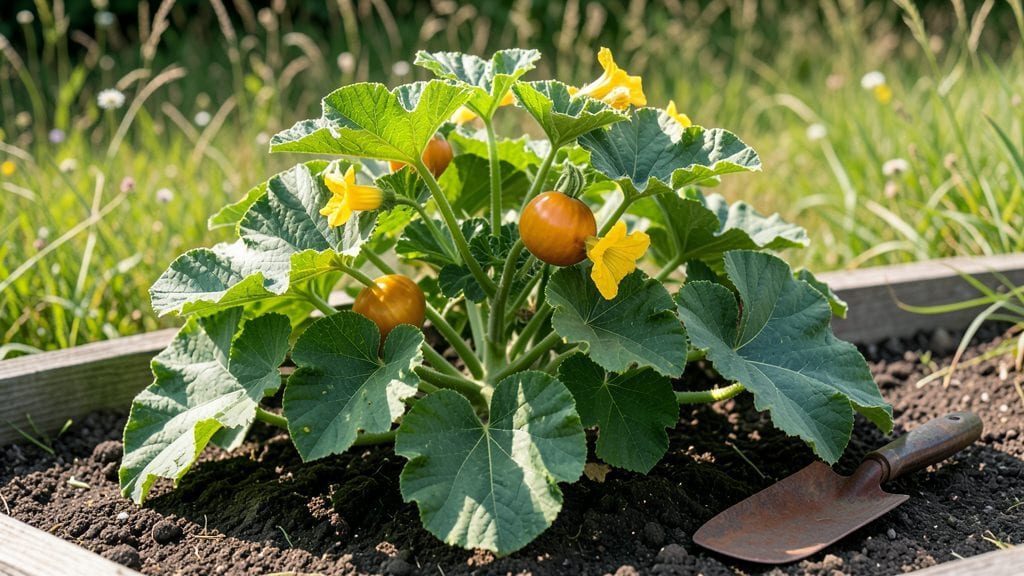
Tiny pumpkin plants thrive in small spaces by choosing compact varieties like 'Jack Be Little' or 'Mini Jack', planting seeds 1 inch deep in well-draining soil, and providing full sun with consistent moisture. Prune vines to control growth and harvest when fruits are firm and fully colored.
Growing miniature pumpkins is perfect for urban gardeners or those with limited yard space.
These pint-sized plants produce edible pumpkins just 3-6 inches wide, yet they pack the same sweet, nutty flavor as their larger cousins. 🌱 The key to success lies in selecting the right dwarf varieties and creating ideal growing conditions—whether in containers or small garden plots.
Unlike traditional pumpkins, these compact plants mature faster (typically in 75-90 days) and require less space, making them ideal for beginners or seasoned gardeners alike.
What sets these tiny pumpkins apart is their dual-purpose nature: they're great for culinary use (think mini pies or roasted seeds) while also adding charming decor to fall tablescapes. Their smaller size means you can grow multiple plants in a single container, maximizing your harvest without sacrificing space.
Just remember that while they're compact, they still need proper care—regular pruning and consistent watering will give you the best results.
💡 In This Article
- Best Compact Pumpkin Varieties for Small Gardens
- Container Gardening Tips for Mini Pumpkins
Best compact pumpkin varieties for small gardens
When selecting miniature pumpkin varieties, you'll encounter two primary growth habits: bush types and vine types. Bush varieties like 'Wee-B-Little' grow in compact mounds only 2-3 feet tall and wide, making them perfect for containers or small garden beds.
These plants develop multiple stems from the base, creating a dense, self-supporting structure. Vine varieties, such as 'Pepitas' (a Mexican heirloom), spread horizontally but can be trained vertically with trellises, saving even more space.
The key difference lies in their growth patterns: bush types require minimal staking, while vine types need support structures to prevent sprawling.
Here are five top-performing dwarf varieties worth trying: 'Jack Be Little' (4-6 inches wide, 75-day maturity), 'Mini Jack' (6-8 inches, 85 days), 'Pepitas' (3-4 inches, 90 days), 'Baby Boo' (2-3 inches, 80 days), and 'Munchkin' (4-5 inches, 85 days).
Each produces 3-5 fruits per plant, with yields comparable to larger varieties but concentrated in smaller packages. The 'Pepitas' variety stands out for its dual use—both the pumpkin flesh and seeds are edible, offering a complete harvest from one plant. 🌱
Growth habits vary significantly between types. Bush varieties like 'Baby Boo' develop a single central stem with lateral branches, creating a rounded shape that fits neatly in 5-gallon containers. Vine types, however, require more attention to space management.
For example, 'Pepitas' can spread 6-8 feet if unchecked, but when trained vertically, they mature just as quickly while occupying minimal footprint. The science behind this efficiency lies in their reduced vine length—these varieties allocate more energy to fruit production rather than vegetative growth, resulting in faster maturation times.
Maturity timelines are another critical consideration. Most dwarf pumpkins reach harvest readiness in 75-90 days, compared to 100-120 days for standard varieties. This accelerated growth cycle means you can fit two harvests into a single growing season in warmer climates.
For instance, in Zone 8, you might plant a spring crop in March and a fall crop in August, both maturing before the first frost. The trade-off is slightly smaller fruit size, but the space savings and earlier harvests often outweigh this consideration for urban gardeners.
Yield expectations are surprisingly generous for their size. While each plant produces fewer fruits than a giant pumpkin vine, the concentration of edible material is impressive.
A single 'Jack Be Little' plant yields 3-4 pumpkins averaging 4-6 inches in diameter—enough for 12-16 individual servings when used in recipes like mini pies or roasted seed snacks. The key to maximizing yield lies in proper spacing: maintain 12-18 inches between plants to prevent competition for nutrients and sunlight.
This spacing also improves air circulation, reducing the risk of powdery mildew, a common issue in crowded plantings.
Consider these growth characteristics when planning your garden layout. Bush types excel in containers or small raised beds, while vine types offer more flexibility for vertical gardening.
For example, you could grow 'Pepitas' up a 4-foot trellis in a 10-inch deep container, producing 5-6 fruits while occupying less than 1 square foot of ground space.
The choice between bush and vine varieties ultimately depends on your available space and preferred gardening style—whether you favor self-contained containers or structured vertical systems. ✨