Size
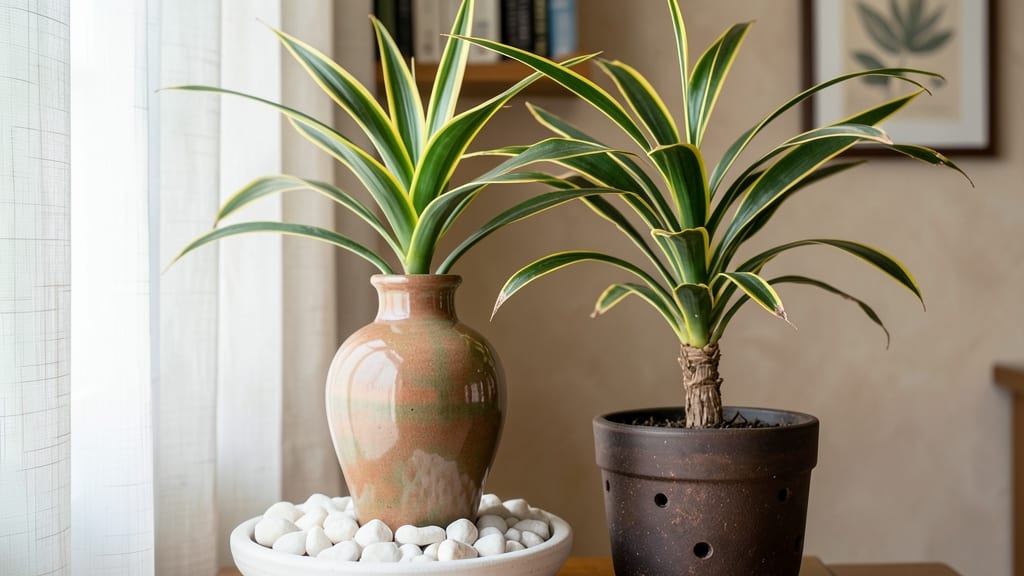
Tall vase plants instantly transform any room into a lush vertical statement. 🌿 I’ve used them to add drama to tiny apartments—where floor space is scarce but height isn’t—and the results never fail to impress.
The right plant in a simple vase can make a corner feel like a jungle retreat, all while requiring less real estate than a single potted shrub.
Think Dracaena for sleek, arching fronds that grow up to 6 feet, Snake Plant for bold, upright leaves that thrive on neglect, or Eucalyptus for seasonal bursts of fragrant foliage. These plants don’t just fill space—they create focal points.
Pair a 3-foot Dracaena with a low bowl of trailing pothos for contrast, or tuck a single eucalyptus stem into a slender glass vase for a summery pop.
With just a few basic supplies—a vase slightly taller than your plant, well-draining soil, and a bright spot—they’ll keep growing for months. The key is choosing plants that match your light conditions: Snake Plants handle low light, while Eucalyptus craves sun.
You’ll end up with arrangements that feel effortlessly polished, even if you’re a beginner.
Seasonal swaps keep them fresh: replace dried eucalyptus with fresh-cut branches in summer, or switch to a 4-foot Yucca for winter structure. The same principles apply year-round—just rotate your plants. Now let’s pick your perfect vertical statement maker.
📚 In This Guide
- What you need
- Instructions
- Tips and common mistakes
- Wrapping up and next steps
What you need
- ● Tall, narrow vase or container: 12–24 inches tall (choose ceramic, glass, or metal for durability). Pro tip: 💡 Look for vases with drainage holes if using soil-based plants!
- ● Planting medium: For soil-based plants (e.g., snake plants, dracaenas): 1–2 bags of well-draining potting mix (e.g., cactus/succulent mix or peat-based soil).
- ● For water-based plants (e.g., lucky bamboo, pothos): Distilled or tap water (avoid chlorinated water if possible).
- ● Tall plant(s): 1–3 plants, depending on vase width (e.g., Dracaena marginata, Yucca, or Spider Plant). Check height at maturity!
- ● Gravel or decorative stones: 1 small bag (for drainage and aesthetics).
- ● Shears or pruning scissors: 1 pair (for trimming leaves or stems).
- ○ Optional: Watering can with a long spout (for deep watering).
- ● Plant food (liquid or slow-release granules, 1–2 applications per season).
- ● Decorative elements (e.g., moss, pebbles, or floating beads for water-based setups).
- ● Support stakes or trellis (if your plant needs vertical guidance).
- ● Prerequisites: A bright spot with indirect light (or artificial grow lights for low-light plants).
- ● Patience! Some tall plants take months to reach their full height. ✨
How to style tall vase plants for maximum impact
Here's my approach to creating vertical focal points that transform any room—no sprawling garden required.
🪴 Step 1: Select Plants with Complementary Growth Habits
Choose four plants that reach 3-6 feet tall at maturity and pair them by light needs. I like combining a thriller (like a snake plant or dracaena) with filler plants (pothos or spider plants) and spillers (string of pearls or creeping fig). This creates natural layers that draw the eye upward.
Check the care tags for each plant—some, like the snake plant, tolerate low light, while others, like the dracaena, need bright, indirect light. Group them together based on their sunlight requirements to avoid stressing any single plant.
🌿 Step 2: Choose Containers with Proportional Height
Select a tall, narrow vase that’s at least 12-18 inches tall—this gives roots room to establish while keeping the plant stable. I prefer ceramic or glazed pots because they hold moisture well without wicking it away like terracotta. The vase should be wide enough at the base to support the plant’s mature size without tipping over.
Place a saucer or tray underneath to catch any water runoff, especially if you’re using a heavy plant like a fiddle-leaf fig. This prevents water damage to furniture or floors and keeps your space looking tidy.
💧 Step 3: Layer Soil and Plant for Stability
Fill the bottom one-third of the vase with a well-draining potting mix—I use a blend of peat moss, perlite, and compost for aeration and moisture retention. Press it down lightly to eliminate air pockets, which can cause roots to rot.
Remove the plant from its nursery pot and loosen the roots gently with your fingers. Place it in the center of the vase, ensuring the top of the root ball sits about 1 inch below the rim. This prevents overwatering while giving the plant room to grow upward. Fill the remaining space with more potting mix, pressing it down firmly around the base to secure the plant.
☀️ Step 4: Position for Optimal Light Exposure
Place your tall vase near a south- or west-facing window where it can receive 4-6 hours of bright, indirect light daily. If your space lacks natural light, supplement with a grow light positioned 12-18 inches away for 10-12 hours per day. Avoid direct sunlight, which can scorch delicate leaves.
Rotate the vase quarter-turn weekly so the plant grows evenly rather than leaning toward the light. You’ll notice new growth emerging on all sides, creating a fuller, more balanced appearance over time.
⏰ Step 5: Maintain Consistent Watering and Humidity
Water when the top 1-2 inches of soil feel dry to the touch—this prevents overwatering, which is the most common killer of tall vase plants. I use a watering can with a narrow spout to direct moisture to the roots without splashing leaves. Let excess water drain completely before placing the vase back on its saucer.
Mist the leaves 2-3 times per week or place the vase on a tray filled with pebbles and water to increase humidity, especially if your home has dry air. Plants like the dracaena and snake plant thrive in 40-50% humidity, while tropical varieties may need slightly more.
Tips & tricks for perfect tall vase plant arrangements
Creating a stunning vertical display takes more than just throwing plants in a vase—here's what separates good from show-stopping arrangements.
Layering Secret: When arranging your thriller, filler, and spiller plants in Step 1, place the tallest plant (your thriller) slightly off-center rather than dead center. This creates a more natural, asymmetrical look that draws the eye upward more effectively. I like to position it about one-third from the left or right edge of the vase—just enough to feel intentional but not forced.
Container Stability: In Step 2, if your chosen vase feels top-heavy after planting, add a few small rocks or pebbles to the base before filling it with soil. This creates a counterweight that prevents tipping, especially important for heavy plants like fiddle-leaf figs. For extra stability, place the vase in a corner where it can lean slightly against the wall without looking like it's being forced.
Light Exposure Strategy: For Step 4's light requirements, remember that north-facing windows provide the gentlest light, while east-facing windows offer morning sun that gradually intensifies. If you're using a grow light, position it so it illuminates the top half of the plants—this mimics natural sunlight patterns and encourages upward growth. I've found that rotating my grow light every few days helps prevent plants from stretching toward one side.
Watering Wisdom: When checking soil moisture in Step 5, use your finger to test the soil depth rather than relying on visual cues. Some well-draining mixes can look dry on top while still being moist below. For tropical varieties, consider adding a humidity tray with pebbles and water beneath the saucer—this creates a microclimate that mimics their natural environment without risking root rot from sitting in standing water.
Pro Tips for Tall Vase Plants
- Creating a stunning vertical display takes more than just throwing plants in a vase—here's what separates good from show-stopping arrangements.
- Layering Secret: When arranging your thriller, filler, and spiller plants in Step 1, place the tallest plant (your thriller) slightly off-center rather than dead center.
- Container Stability: In Step 2, if your chosen vase feels top-heavy after planting, add a few small rocks or pebbles to the base before filling it with soil.
Frequently asked questions
Got questions about tall vase plants? You’re not alone! Here are some of the most common queries—plus quick, practical answers to help you nail that vertical garden vibe.
What are the best tall vase plants for beginners?
Start with low-maintenance stars like Dracaena marginata (Dragon Tree), Sansevieria trifasciata (Snake Plant), or Zamioculcas zamiifolia (ZZ Plant). These thrive in indirect light, need minimal water, and handle occasional neglect—perfect for new plant parents!
How often should I water tall vase plants?
Watering depends on the plant and pot size, but a general rule: stick your finger 2 inches into the soil. If it’s dry, water thoroughly until it drains from the bottom. Most tall vase plants prefer drying out between waterings—overwatering is their #1 enemy! Check the plant’s care tag for specifics.
Can tall vase plants work in small apartments?
Opt for skinny pots or wall-mounted planters to save space. Tall plants like Spider Plants or Pothos (trailing varieties) add height without bulk. Just ensure your space gets the right light—most thrive in bright, indirect light near windows.
Why is my tall vase plant leaning or falling over?
Leaning usually means light hunger—rotate the pot weekly so it grows straight toward the light. If it’s top-heavy, try staking (bamboo or decorative sticks) or pruning leggy growth. For woody plants like Monstera, a support trellis can help too!
What’s a good alternative if I don’t have a tall vase?
No tall vase? No problem! Use hanging planters for trailing plants like String of Pearls or Pothos, or stack small pots at different heights on a shelf. Even a deep window box can create a vertical effect with cascading foliage.
Wrapping up and next steps
Transforming your space with tall vase plants is all about creativity and a little green thumb! These stunning vertical statement-makers prove you don’t need a sprawling garden to make a bold impact—just the right plants, a dash of style, and a bit of care.
Whether you’re drawn to the lush elegance of Dracaena, the architectural charm of Snake Plant, or the tropical vibes of Monstera, your space will thank you for the instant upgrade.
Ready to dive in? Start by picking one plant that speaks to your style, then experiment with heights, textures, and containers to craft your perfect vertical masterpiece. Your future self—and your guests—will be impressed! 🌿✨