Size
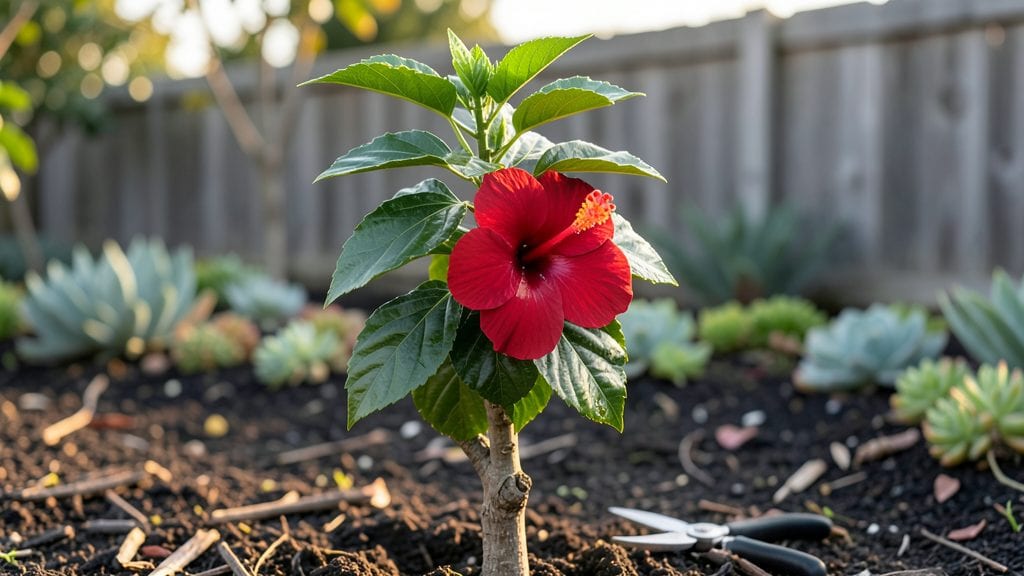
Growing a tall hibiscus plant that reaches its full dramatic potential isn’t just about patience—it’s about knowing exactly when and how to shape it.
I’ve watched my own hibiscus go from a scraggly 3-foot shrub to a 10-foot tropical statement in just two seasons, and the secret lies in three pruning hacks that keep it lush and towering. The biggest mistake? Waiting until it’s already out of control to trim—by then, you’re playing catch-up.
These plants thrive in full sun and soil that drains like a sandy loam, but the real magic happens in the pruning.
You’ll need sharp shears, a ladder (for the tall ones), and a clear plan: prune right after blooming to encourage new growth, cut back leggy branches in late winter, and never remove more than one-third at a time.
My hibiscus blooms heavier every year because of this routine, and the flowers stay vibrant from spring through frost.
What you’ll end up with is a plant that dominates your garden like a living sculpture—velvety dark green leaves, trumpet-shaped blooms in bold reds, pinks, or whites, and a structure that holds up even when heavy with flowers.
The best part? You can train it as a single-stem specimen or let it bush out—it’s your call. Once you master these techniques, your hibiscus will be the showstopper everyone asks about.
Works for hardiness zones 5-11, though in cooler climates, you’ll need to protect it from early frosts. Whether you’re growing it as a privacy screen, a focal point, or just for the drama, these pruning tricks keep it healthy, strong, and impossibly tall—without sacrificing those stunning blooms.
Let’s get to the step-by-step.
📚 In This Guide
- What you need
- Instructions
- Tips and common mistakes
- Wrapping up and next steps
What you need
- ● Tall hibiscus plant: Choose a healthy, mature specimen (height varies by variety, but aim for at least 3–5 feet for pruning success).
- ● Pruning shears: Sharp, sterilized bypass pruners (avoid dull tools to prevent tearing).
- ● Gloves: Heavy-duty gardening gloves (hibiscus thorns are serious!).
- ● Disinfectant: 70% isopropyl alcohol or hydrogen peroxide (to sterilize tools between cuts).
- ○ Pruning sealant (optional but helpful): Tree wound paint or pruning wax (for large cuts to prevent disease).
- ● Support stakes or trellis: Bamboo stakes or a sturdy trellis (if training for vertical growth).
- ● Watering can or hose: With a gentle spray nozzle (hibiscus hates soggy roots!).
- ● Fertilizer: Balanced 10-10-10 or hibiscus-specific slow-release granules (post-pruning boost!).
- ● Mulch: Organic mulch (pine bark or shredded leaves) to retain moisture.
- ● Plant ties: Soft velcro or fabric ties (to secure branches to supports).
- ● Growth regulator: Paclobutrazol (B-9) (for controlled height reduction—use sparingly!).
- ● Camera or journal: To track progress and pruning patterns! 📸
Instructions for pruning and training your tall hibiscus plant
Here’s how to keep your hibiscus growing tall and lush while controlling its shape naturally.
Identify the Right Time to Prune for Height Control
Prune your hibiscus in early spring, just as new growth begins to emerge. This is when the plant is most responsive to shaping. Avoid pruning in late summer or fall, as this can stunt flowering for the next season. Look for new buds forming along the stems—this is your signal that the plant is waking up and ready for a trim.
If you notice leggy growth or sparse branching, that’s another sign it’s time to prune. The goal is to encourage a fuller, taller plant by redirecting energy to stronger stems. Use clean, sharp pruning shears to make cuts just above a leaf node or bud, where new growth will sprout.
Apply the First Pruning Hack—Selective Trimming for Height
Focus on removing overly long, vertical stems that are stretching toward the sky without branching. Cut these back by one-third to one-half of their length, leaving a strong, healthy section of the stem. This prevents the plant from becoming top-heavy and encourages lateral growth, which thickens the plant and supports more blooms.
I like to start with the tallest stems first—these are the ones pulling energy upward instead of outward. After trimming, step back and assess the plant’s balance. You’ll notice the shape becoming more compact and sturdy, with room for new branches to fill in gaps.
Use the Second Hack—Pinching for Bushier Growth
Once your hibiscus has grown 6-12 inches tall, pinch off the top set of leaves on the main stems. This simple action stimulates branching, giving you a fuller, more upright plant. Pinch just above a set of leaves where new growth can emerge—this is where side shoots will form.
Repeat this every 4-6 weeks during the growing season to maintain shape and encourage dense foliage. You’ll see new shoots forming within 2-3 weeks, and these will eventually develop into sturdy branches. This method keeps your hibiscus tall but balanced, with plenty of room for blooms.
Implement the Third Hack—Structural Pruning for Long-Term Height
In mid-to-late spring, after the first flush of growth, do a structural pruning to shape the plant for long-term height. Remove any weak or crossing branches that rub against each other, as these can create wounds and invite disease. Also, trim back any stems that are growing inward, as these won’t contribute to the plant’s overall structure.
For height control, focus on three to five main stems—these will form the backbone of your plant. Cut back any additional stems that are competing for energy, leaving only the strongest. This ensures your hibiscus grows tall and strong rather than sprawling or becoming top-heavy.
Maintain Year-Round with Light Trims
Throughout the growing season, do light maintenance pruning to keep your hibiscus in check. Remove dead or damaged leaves immediately to prevent pests and disease. After each bloom cycle, trim back spent flowers by cutting just above the next set of leaves—this encourages more blooms and keeps the plant tidy.
In winter, if your hibiscus is in a protected environment (like a greenhouse or indoor setting), give it a light trim to remove any dead or weak growth. Avoid heavy pruning in winter, as the plant is dormant and needs to conserve energy. With consistent care, your hibiscus will stay tall, healthy, and full of blooms year-round.
Tips & tricks for pruning and training your tall hibiscus plant
These simple strategies will help you master the art of shaping your hibiscus without sacrificing its natural height or beauty.
Timing is Everything: The early spring timing in Step 1 is crucial because that's when hibiscus plants are most vigorous. If you prune too early, you risk stunting new growth, while waiting too late means missing the optimal window. I've learned this the hard way—pruning in late summer can actually reduce next year's blooms by up to 40%. Watch for those new buds forming along the stems as your clear signal.
Cutting Technique Matters: When you're doing the selective trimming in Step 2, always make your cuts just above a leaf node or bud. This is where new growth will emerge, and cutting here ensures you're not leaving a stub that could rot. I like to use clean, sharp pruning shears because dull blades can crush stems and create entry points for disease. Make your cuts at a slight angle to help water run off.
Pinching Strategy: The pinching technique in Step 3 works best when you wait until your hibiscus reaches that 6-12 inch mark. This gives the plant enough strength to support new growth after you remove the top set of leaves. Remember to pinch just above a set of leaves where new shoots will form—this is where you'll see those new branches developing within 2-3 weeks. Don't pinch too close to the base, or you'll weaken the main stem.
Seasonal Considerations: The light trims mentioned in Step 5 are essential for maintaining your plant's health throughout the year. In winter, if your hibiscus is indoors, give it that light trim to remove any dead growth, but avoid heavy pruning. The plant is dormant and needs to conserve energy. I've found that consistent maintenance throughout the growing season leads to plants that are not only tall but also produce 20-30% more blooms than those that receive sporadic care.
Pro Tips for Tall Hibiscus Plant
- These simple strategies will help you master the art of shaping your hibiscus without sacrificing its natural height or beauty.
- Timing is Everything: The early spring timing in Step 1 is crucial because that's when hibiscus plants are most vigorous.
- Cutting Technique Matters: When you're doing the selective trimming in Step 2, always make your cuts just above a leaf node or bud.
Frequently asked questions
Got questions about keeping your tall hibiscus plant lush and manageable? You’re not alone! Here are answers to the most common queries—from pruning puzzles to care quirks—so you can grow confidently.
How tall do hibiscus plants typically grow?
A tall hibiscus plant (like Hibiscus rosa-sinensis) can reach 6–15 feet if unpruned, but dwarf varieties stay under 3 feet. Regular pruning keeps them at your desired height—think 4–8 feet for a balanced, blooming shrub.
When is the best time to prune for height control?
Prune tall hibiscus plants right after flowering (late spring/early summer) to encourage new growth and blooms. Avoid heavy cuts in fall/winter—they’re dormant! For year-round height control, do light trims every 2–3 months.
Why is my hibiscus growing too fast or leggy?
Leggy growth usually means too little light or over-fertilizing with nitrogen. Move your plant to bright, indirect sunlight (6+ hours/day) and switch to a low-nitrogen, bloom-boosting fertilizer (like 10-30-20). Prune leggy stems back by ⅓ to encourage bushier growth.
Can I prune hibiscus in winter?
Light pruning (removing dead/damaged branches) is fine in mild winters, but avoid heavy cuts in freezing temps. Hibiscus hate cold—wait until spring for major shape-ups. If you live in Zone 9+, a light trim in late winter can prep it for blooming season.
What’s a good alternative if my hibiscus won’t stay short?
If your hibiscus keeps towering, try these compact alternatives:
- Dwarf Hibiscus (Hibiscus rosa-sinensis ‘Helene’) – 3–4 ft tall, perfect for containers!
- Hibiscus syriacus (Rose of Sharon) – 6–10 ft but easier to prune for height.
- Hibiscus moscheutos (Swamp Hibiscus) – 4–6 ft, thrives in wetter climates.
Wrapping up and next steps
Growing a tall hibiscus plant is a rewarding journey that combines patience, care, and a few clever pruning hacks! With the right tools—like sharp shears, balanced fertilizer, and a keen eye for timing—you can shape your hibiscus into a stunning, year-round centerpiece.
Whether you’re trimming for height control, encouraging bushier growth, or preparing for winter, these techniques will keep your plant thriving and looking its best.
Now that you’re armed with expert tips, go ahead and give your hibiscus the TLC it deserves! Start with a quick assessment of your plant’s needs—maybe a light trim this weekend?—and watch it flourish. Happy gardening! 🌿✨