
Plants
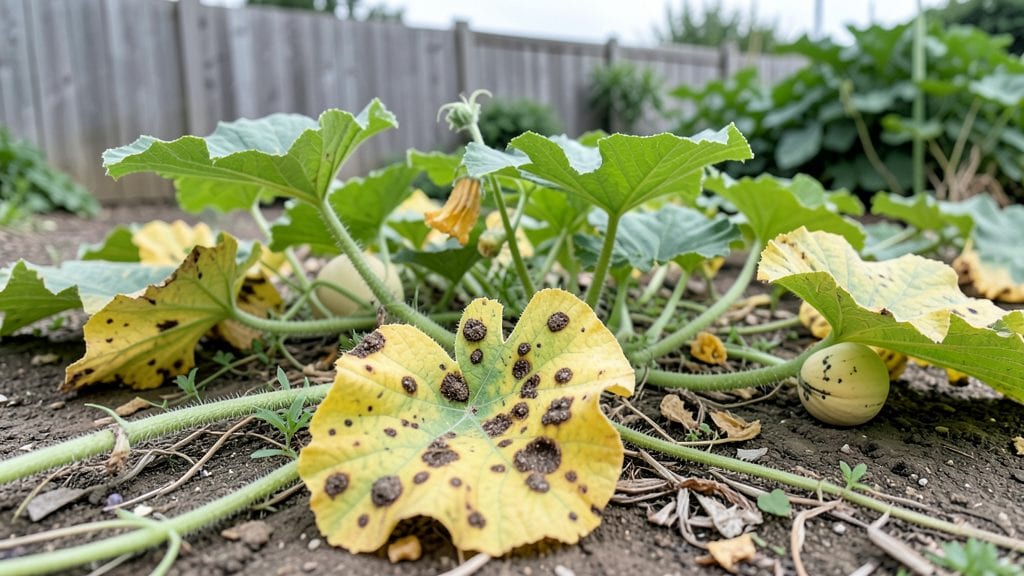
Squash plant blight is the nightmare that turns your summer harvest into a sad, yellowing mess—unless you act fast. 🌱 I’ve lost entire vines to that telltale brown rot, but these three organic fixes saved my next crop, and they’ll work for yours too.
The key? Spotting it early, cutting out the worst, and giving your plants room to breathe.
Most blight starts with too much moisture on leaves, especially in hot, humid weather. My first mistake was ignoring the dark spots until half the plant was infected. Now I check squash plants every morning, prune infected leaves immediately, and water at the base—not overhead.
A quick spray of neem oil or copper fungicide (mixed right) stops the spread in its tracks.
By the time you’re done, your squash will bounce back with fresh green leaves and the promise of healthy fruit. The secret weapon? Space. Crowded vines trap moisture, so I now plant squash in wide rows and add trellises for bush varieties.
Even my black thumb can’t kill these plants when I follow these steps.
Works for zucchini, pumpkins, and summer squash alike—just adjust the spacing based on your variety. The best part? No harsh chemicals, just smarter gardening that keeps your harvest safe season after season.
Root Causes Of Plant Rot
When your squash plants start wilting, yellowing, or developing dark, mushy spots, plant blight is often the culprit. This fungal menace thrives under specific conditions, attacking vulnerable plants with relentless precision.
Understanding why it happens is the first step to stopping it in its tracks. Let’s break down the science behind the problem so you can outsmart this fungal foe.
Fungal blight loves moisture—think of it as a fungal raincoat party. When squash plants sit in soggy soil or endure prolonged dampness (like heavy rain or poor drainage), spores germinate and spread rapidly. High humidity (above 75%) creates the perfect breeding ground, allowing the fungus to multiply exponentially.
Why it happens:
- Poor air circulation: Dense foliage traps moisture, preventing leaves from drying quickly after rain or watering.
- Frequent overhead watering: Wet leaves for extended periods create ideal conditions for spores to latch on and infect.
- Compacted or waterlogged soil: Roots suffocate, weakening the plant’s defenses while fungi thrive in anaerobic (low-oxygen) environments.
💡 Pro Tip: Water at the base early in the day (before 10 AM) to allow foliage to dry by nightfall. Use drip irrigation or soaker hoses to avoid wetting leaves.
Blight isn’t just lurking—it’s waiting. Fungal spores (like Phytophthora or Pseudomonas) can survive in soil, plant debris, or even on tools for years. If your garden hosted infected plants last season, spores are still there, biding their time until conditions are ripe for an attack.
Why it happens:
- Contaminated soil: Old crop residues (especially from cucurbits like squash, pumpkins, or melons) harbor dormant spores.
- Infected seeds or transplants: Buying or saving seeds from blighted plants unknowingly introduces the fungus to your garden.
- Wind or water spread: Spores hitch rides on breezes or splashing rain, infecting healthy plants nearby.
🔥 Actionable Fix: Rotate crops annually (avoid planting squash in the same spot for 3+ years) and sterilize tools with a 10% bleach solution (1 part bleach to 9 parts water). Remove and compost (not reuse!) infected plant material far from the garden.
Healthy squash plants are like superheroes—they resist blight. But stress weakens their defenses, making them easy targets. Nutrient deficiencies, pests, or physical damage (like hail or improper pruning) create entry points for fungal invaders.
Why it happens:
| Stress Factor | How It Helps Blight |
|---|---|
| Nitrogen deficiency | Yellowing leaves reduce photosynthesis, starving the plant of energy to fight infections. |
| Pest damage (e.g., squash vine borers) | Open wounds let spores penetrate directly into the plant’s vascular system. |
| Overcrowding | Competition for resources weakens roots, while poor airflow traps moisture. |
| Extreme temperature swings | Cold nights or heat stress shock the plant, lowering its resistance to pathogens. |
🌡️ Prevention Tip: Test soil pH (aim for 6.0–6.8 for squash) and amend with compost or balanced fertilizer (10-10-10). Space plants 3–4 feet apart for airflow, and monitor for pests daily during peak season.
Timing matters—blight often strikes hardest in late summer when warm temperatures meet unexpected downpours. Flooding drowns roots, cutting off oxygen and triggering anaerobic conditions that boost fungal growth.
Why it happens:
- Root asphyxiation: Waterlogged soil blocks oxygen, causing roots to rot and inviting Phytophthora (a water-loving blight pathogen).
- Spores thrive in warm water: Temperatures between 77–86°F (25–30°C) accelerate spore germination and spread.
- Delayed drying: Heavy rain followed by cloudy skies keeps foliage damp for days, giving fungi a feeding frenzy.
✨ Emergency Fix: If flooding occurs, immediately improve drainage by mounding soil around the base of plants or installing French drains. Avoid working in the garden during wet conditions to prevent spreading spores on shoes or tools.
Revive Your Squash Plants Now
Blight on squash plants can feel like a devastating setback, but with the right approach, you can turn the tide and restore your garden’s health. Below, we’ve mapped out practical, organic solutions tailored to the most common causes of blight—fungal infections, bacterial issues, or environmental stress.
Each fix is designed to be easy to implement, whether you’re a seasoned gardener or just starting out. Let’s get your squash back in fighting shape!
Fungal blight thrives in damp, warm conditions, often appearing as yellow or brown patches on leaves that spread rapidly. Here’s how to stop it in its tracks:
🔥 Remove Infected Plant Parts Immediately
- 👨🍳 Snip off any leaves, stems, or vines showing signs of blight (dark spots, wilting, or discoloration).
- 🗑️ Bag and discard infected material far from your garden (composting can spread spores).
- ✂️ Sterilize pruners with rubbing alcohol or a bleach solution (1 part bleach to 9 parts water) to prevent cross-contamination.
🌡️ Improve Airflow and Reduce Humidity
Fungi love stagnant air and moisture. Break up the party with these tweaks:
- 🌬️ Space plants 3–4 feet apart (crowding traps humidity).
- 🌞 Prune nearby foliage blocking sunlight to encourage faster drying.
- 💨 Use a fan on low setting near plants for 10–15 minutes daily if humidity is high.
🍄 Apply Organic Fungicides
Prevent spores from settling with these DIY or store-bought options:
- 🧴 Copper fungicide spray (like Bordeaux mixture or copper soap): Spray every 7–10 days at dawn or dusk. Pro tip: Mix 1 tsp baking soda + 1 quart water + a few drops of soap for a mild alternative.
- 🌿 Neem oil spray: Combine 1 tbsp neem oil + 1 tsp mild soap + 1 quart water.
Spray weekly until symptoms fade. ✨ Bonus: Neem also deters pests! - 🍅 Baking soda spray: Mix 1 tsp baking soda + 1 quart water + a drop of dish soap. Test on a small leaf first—some plants are sensitive.
Bacterial blight causes water-soaked lesions that ooze and spread quickly. Unlike fungi, there’s no cure, but you can contain it:
🚨 Isolate Infected Plants ASAP
- 🏚️ Move affected squash to a separate, shaded area away from healthy plants.
- 🔥 Destroy all infected plant material—do not compost.
Burning or sealing in a plastic bag is safest. - 🧼 Sterilize tools and hands after handling to avoid spreading bacteria.
🌧️ Adjust Watering Practices
Bacteria spread via water splashing. Switch to these habits:
- 💧 Water at the base (not overhead) using a drip irrigation system or soaker hose.
- ⏰ Water early in the day so foliage dries quickly.
- 🌿 Avoid wet mulch near stems—keep mulch 2–3 inches away.
🛡️ Boost Plant Immunity
Healthy plants fight off bacteria better. Strengthen your squash with:
- 🍅 Compost tea: Brew 1 cup compost in 5 gallons water for 24–48 hours, strain, and spray foliage weekly.
- 🌱 Balanced fertilizer: Use a low-nitrogen, high-phosphorus organic fertilizer (like 5-10-10) to support root and leaf health.
An ounce of prevention is worth a pound of cure! Stop blight before it starts with these long-term strategies:
💡 Crop Rotation and Soil Health
- 🌱 Rotate crops: Avoid planting squash (or other cucurbits like cucumbers/melons) in the same spot for 3 years.
- 🌿 Build healthy soil: Amend with compost, worm castings, or mycorrhizal fungi to improve drainage and plant resilience.
- 🍄 Add beneficial microbes: Sprinkle Trichoderma harzianum (a natural fungus-fighter) into soil before planting.
🌞 Optimize Planting Conditions
- ☀️ Choose the right location: Plant squash in full sun (6+ hours/day) with well-draining soil.
- 🌬️ Elevate beds: Raised beds or mounds improve airflow and reduce soil moisture.
- 🌱 Start with resistant varieties: Opt for blight-resistant squash like ‘Defender’ or ‘Butternut’ varieties.
🛡️ Proactive Sprays and Barriers
- 🍋 Citrus spray: Mix 1 tbsp lemon juice + 1 quart water + 1 tsp neem oil.
Spray every 2 weeks as a preventative. - 🧶 Row covers: Use floating row covers early in the season to block spores while allowing pollination. - 🌿 Companion planting: Interplant with marigolds, garlic, or onions—their strong scents deter fungal spores.
If your squash is already heavily infected, act fast with these last-resort moves: 1. 🌱 Prune aggressively: Cut back to healthy green growth—sometimes sacrificing part of the plant saves the rest.
- 💦 Deep-water remaining plants: Stress from blight weakens roots; give them a deep watering to recover.
- 🍄 Apply hydrogen peroxide: Mix 1 tbsp 3% hydrogen peroxide per quart of water to spray leaves (kills spores on contact).
- 🌿 Monitor for pests: Blight-stressed plants attract squash bugs or aphids—treat with soapy water spray if needed.
🎯 Final Tip: Keep a gardening journal to track blight outbreaks, weather patterns, and what worked. Over time, you’ll spot early warning signs and prevent future crises!
With these targeted fixes, your squash plants can bounce back—stronger, healthier, and blight-free! 🚀
Frequently asked questions about squash plant blight
What are the first signs of blight on squash plants?
Watch for dark, water-soaked spots on leaves that turn yellow or brown and spread quickly. You may also see wilting or mushy stems. These symptoms appear most often after heavy rain or overhead watering when leaves stay damp for long periods.
Can I save a squash plant already infected with blight?
Yes, but act fast! Prune all infected leaves immediately and discard them far from your garden. Improve airflow by spacing plants and water at the base only. Apply neem oil or copper fungicide every 7-10 days to stop the spread. Severe cases may require removing the entire plant to protect nearby crops.
Is blight contagious between squash and other plants?
Yes, many blight pathogens can jump to other cucurbit family members like cucumbers, melons, and pumpkins. Some even affect tomatoes and peppers. Always isolate infected plants and sterilize tools between uses to prevent cross-contamination.
What's the best organic treatment for preventing blight?
A baking soda spray (1 tsp baking soda + 1 quart water + drop of soap) works well as a preventative. For existing infections, copper fungicide or neem oil (1 tbsp oil + 1 tsp soap + 1 quart water) applied weekly provides strong protection. Rotate treatments to prevent resistance.
How long does it take for blight to kill a squash plant?
With aggressive fungal blight, a plant can decline in just 5-7 days if conditions remain wet and humid. Bacterial blight moves even faster, sometimes killing plants in 24-48 hours. Early detection and proper care can extend the plant's life significantly.