
Companion Plants
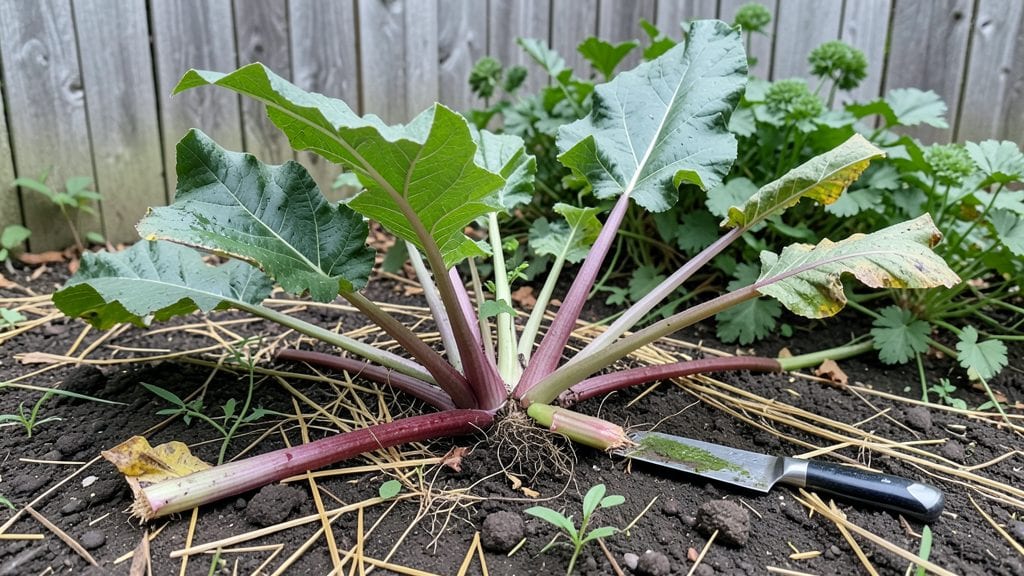
Splitting rhubarb plants is the secret weapon behind those yard-long stalks that make your neighbors green with envy. 🌱 I’ve watched a single clump go from a handful of spears to a full harvest basket—just by making three clean cuts at the right time.
The best part? It’s simpler than you’d think, and you’ll end up with healthier plants that produce for years.
Here’s the thing—rhubarb thrives when it’s not overcrowded, but most people wait too long to split. I now do it every 3-4 years in early spring, before the stalks emerge, using just a sharp spade and a little elbow grease.
You’ll need gloves, a bucket of water for the roots, and a sunny spot ready for the new sections. The whole process takes about 30 minutes, and you’ll walk away with 2-3 new plants.
After replanting, your divided rhubarb will bounce back stronger, with thicker stalks and more vibrant green leaves. Within a season, you’ll notice the difference—plants that were struggling suddenly burst with energy.
The key is keeping the roots moist while they establish, and avoiding harvest for the first year to let them focus on growing roots. Trust me, your future self will thank you.
This method works for both established clumps and younger plants, and it’s perfect for sharing with gardening friends or expanding your own patch. Whether you’re dealing with a single plant or a whole bed, the principles stay the same. Let’s get those cuts clean and those harvests growing!
📚 In This Guide
- What you need
- Instructions
- Tips and common mistakes
- Wrapping up and next steps
What you need
- ● Garden fork or spading fork – A sturdy, 4- to 6-tine fork (18–24 inches long) to loosen roots without damaging them.
- ● Sharp garden knife or pruning shears – A clean, sterilized blade (like a Felco pruner or X-Acto knife) for precise cuts.
- ● Garden hose or bucket of water – To water the area thoroughly (1–2 gallons) the day before splitting for easier digging.
- ○ Compost or well-aged manure – 1–2 gallons per plant to enrich the soil post-split (optional but highly recommended!).
- ○ Gloves (optional but handy) – Heavy-duty gardening gloves to protect your hands from thorns and dirt.
- ● Mature rhubarb plant – At least 3–5 years old (younger plants won’t have enough energy to recover).
- ● Ideal timing – Split in early spring (March–April) or fall (September–October), when the plant is dormant.
- ● Well-draining soil – Rhubarb hates soggy roots, so ensure your new spots have 6.0–7.0 pH soil and good airflow.
- ● Sunny location – Full sun (6+ hours/day) or partial shade (morning sun is ideal).
- ● Mulch (straw or wood chips) – 2–3 inches thick to retain moisture and suppress weeds.
- ● Plant markers – Label new divisions to track growth (especially useful if you’re testing new spots!).
- ● Epsom salt (magnesium sulfate) – 1 tablespoon per plant mixed into the soil for a nutrient boost.
- ● Planting grid or measuring tape – To space divisions 3 feet apart for optimal growth.
Instructions for splitting rhubarb plants
Here's how to grow your rhubarb patch without the guesswork—just three clean cuts and you'll have strong new plants.
🪴 Step 1: Choose the Right Time and Plant
Split rhubarb in early spring when new shoots appear but before the plant sends up its first flower stalks. This gives roots time to establish before summer heat. Look for a mature plant with at least 3-4 healthy crowns—these are the thick, fleshy stems at the base where leaves emerge.
I always pick the largest, most vigorous crown to split from. This ensures the mother plant stays strong while the division gets a good start. If you're unsure which crowns to choose, pick the ones with the most leaf growth—they'll be the most productive.
✂️ Step 2: Dig Up and Divide the Crowns
Use a sharp spade to dig around the entire plant, slicing 6-8 inches deep to loosen the roots. Lift carefully—rhubarb roots are thick and fibrous, so you might need to wiggle it free. Shake off excess soil to reveal the crowns.
With a clean knife or pruning shears, cut the crowns apart, ensuring each piece has at least 1-2 buds (those little bumps where leaves will grow) and a good portion of roots. I like to make 3 equal divisions from a mature plant—this balances growth between the mother plant and the new ones.
🌱 Step 3: Replant the Divisions
Dig holes for each division in a spot with full sun and well-draining soil. The hole should be just deep enough to cover the roots—no need to bury the crowns too deeply. Space new plants 3-4 feet apart to give them room to grow.
Fill the hole with soil, firm it gently around the roots, and water deeply. Mulch with 2-3 inches of straw or wood chips to retain moisture and protect the roots from temperature swings. Avoid watering again until the soil feels dry to the touch—overwatering now can rot the fresh divisions.
☀️ Step 4: Care for New Plants Through the First Year
Keep newly planted divisions in partial shade for the first few weeks to reduce stress. Gradually move them to full sun over 2-3 weeks. You won’t harvest from these new plants this year—they’re focusing on root growth. Instead, enjoy the established mother plant’s harvest while the divisions strengthen.
In early spring of the following year, you’ll see new shoots emerge from the divisions. That’s your signal they’re ready to produce. Just like the mother plant, wait until stalks reach 10-12 inches tall before harvesting—this ensures the roots stay robust for years to come.
Tips & tricks for perfect rhubarb plant division
These simple tricks will help you grow a thriving rhubarb patch without the guesswork—just like the pros do.
Timing is Everything: Early spring is your golden window for splitting rhubarb—right when those first shoots appear but before the flower stalks emerge. I've learned this the hard way: splitting too early means weak roots, and splitting too late means you're competing with summer heat. Aim for that sweet spot when you see those first fresh green leaves pushing through the soil.
The Cutting Technique: When you're making those 3 clean divisions in Step 2, use a sharp knife or pruning shears to avoid crushing the crowns. Each piece needs at least 1-2 buds and a good portion of roots—think of it like giving each new plant its own starter pack. I always make sure my cuts are clean and straight; jagged edges can invite disease. Trust me on this, the cleaner the cut, the stronger your new plants will be.
Root Care Matters: After you've divided your rhubarb, don't rush to replant right away. Let the roots dry out slightly for about 30 minutes first. This helps prevent rot when you plant them. When you do replant, make sure the crowns aren't buried too deeply—just enough to cover the roots. Too much soil can smother those vital buds we're trying to protect.
First-Year Strategy: Here's what nobody tells you—the new divisions won't produce harvestable stalks their first year. That's okay! They're busy building strong roots. Focus on keeping them happy with partial shade for the first few weeks, then gradually move them to full sun. This patience pays off with bigger harvests in years to come.
Pro Tips for Splitting Rhubarb Plants
- These simple tricks will help you grow a thriving rhubarb patch without the guesswork—just like the pros do.
- Timing is Everything: Early spring is your golden window for splitting rhubarb—right when those first shoots appear but before the flower stalks emerge.
- The Cutting Technique: When you're making those 3 clean divisions in Step 2, use a sharp knife or pruning shears to avoid crushing the crowns.
Frequently asked questions
Got questions about splitting rhubarb plants?
You’re not alone! Here are answers to the most common ones—so you can grow like a pro and enjoy that tangy harvest.
When is the best time to split rhubarb plants?
The ideal window is early spring (just as new shoots emerge) or early fall (after harvest but before frost). Avoid splitting in summer—it stresses the plant when it’s already working hard to produce stalks. If you must split later, wait until the plant is dormant (like in late fall).
How do I know if my rhubarb plant is ready to split?
Look for these signs: crowded clumps (stalks growing close together), declining harvest size, or older, woody centers. A healthy rhubarb plant should have 3–5 strong crowns per division. If yours is thriving but not overcrowded, wait another year!
Can I split rhubarb plants in containers or small gardens?
Yes! Rhubarb adapts well to containers (use a 12–18-inch pot with drainage). For small spaces, opt for dwarf varieties like ‘Little Gem’ or ‘Canada Red.’ Just ensure the pot is deep enough (rhubarb roots run 12+ inches down) and divide every 3–4 years to prevent overcrowding.
What if my split rhubarb plants aren’t thriving after replanting?
Check these fixes:
- Water stress: Keep soil consistently moist (not soggy) for the first 2 weeks.
- Poor soil: Amend with compost—rhubarb loves rich, slightly acidic soil (pH 6.0–6.5).
- Pests/disease: Inspect for slugs or fungal spots. Use neem oil or copper fungicide if needed.
- Sunlight: Ensure 6+ hours of sun daily; shade weakens growth.
Do I need to fertilize after splitting rhubarb?
Yes! Apply a balanced fertilizer (10-10-10) or compost at replanting, then again in early spring. Avoid high-nitrogen fertilizers (like lawn food)—they promote leafy growth over stalks. Organic options: Fish emulsion or well-rotted manure work great too!
Wrapping up and next steps
Splitting your rhubarb plants is a game-changer for boosting your harvest—and now you’ve got the know-how! 🌱 With just three simple cuts and a little patience, you can multiply your yield while keeping your garden thriving.
The key? Timing, sharp tools, and a gentle touch to ensure those young crowns take root like pros.
Ready to put this into action? Mark your calendar for next spring or fall—when the soil is workable—and grab those shears! Start small if you’re new, then watch your rhubarb patch grow into a lush, productive powerhouse. Happy gardening!