
Companion Plants
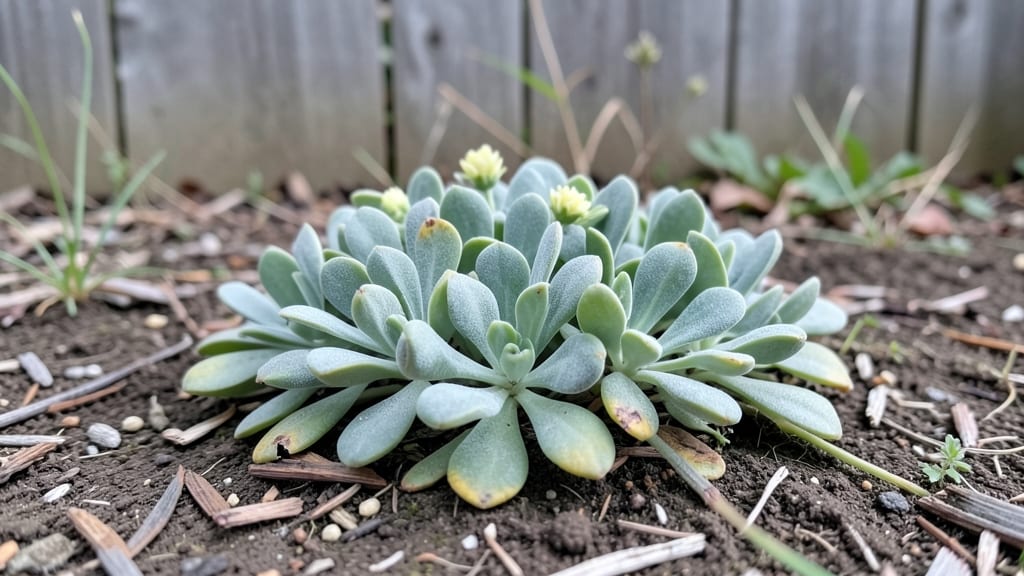
My first sedum plants changed how I garden—small sedum plants bring bold color without the fuss, and they’ve become my go-to for filling gaps between stones or spilling over containers. The secret isn’t complicated: they thrive on neglect, love hot sun, and even handle frost better than many perennials.
I’ve grown them in everything from cracks in the sidewalk to large pots, and they always bounce back, even when I forget to water them for weeks.
You’ll need well-draining soil (mix in sand or gravel if yours is heavy) and a spot that gets at least 6 hours of sun daily. Sedum’s drought tolerance comes from its thick, juicy leaves—think of them as tiny water storage tanks.
Once established, they rarely need extra water, and their vibrant colors (deep purple, chartreuse, or fiery orange) last from spring through fall, with some varieties even adding winter interest. The best part? They spread slowly but steadily, filling in bare spots over time without taking over.
Start with cuttings or divisions in early spring, and you’ll have new plants ready for next year’s garden. Pinch back leggy growth in late summer to encourage bushier stems, and watch them transform from scraggly to shockingly lush by fall.
These plants are the ultimate “plant it and forget it” option, perfect for busy gardeners or anyone tired of high-maintenance perennials. They even attract pollinators, making them a double win for your landscape.
Works in rock gardens, between pavers, or as a trailing edge in containers—sedum adapts to almost any spot. The key is giving them space to grow (they’ll spread 12–18 inches wide over time) and avoiding soggy soil.
Once you try them, you’ll wonder why you didn’t add them sooner—they’re the ultimate carefree plant for color-hungry gardeners who hate fussing over their garden.
📚 In This Guide
- What you need
- Instructions
- Tips and common mistakes
- Wrapping up and next steps
What you need
- ● Small sedum plants (3–5 plants per container or 1 plant per 6-inch pot)
- ● Well-draining soil mix (50% potting soil + 50% perlite or coarse sand)
- ● Containers or garden beds (pots with drainage holes or raised beds)
- ● Sunlight access (6+ hours of direct sun daily)
- ● Watering can or hose with gentle spray (avoid overwatering!)
- ● Garden gloves (for handling soil and plants)
- ● Pruning shears (for trimming dead foliage)
- ○ Slow-release fertilizer (optional, for extra nutrients)
- ● Mulch (gravel or pebbles) (to retain moisture and deter weeds)
- ● Decorative stones or pebbles (for a polished, drought-resistant look)
How to grow and maintain small sedum plants for year-round beauty
Here's my foolproof approach to growing these drought-resistant beauties that thrive with almost no effort.
Choose the Perfect Location for Your Sedum
Sedum plants love sun and won't tolerate soggy roots, so pick a spot with at least 6 hours of direct sunlight daily. A south-facing window or a sunny patio works perfectly. I always check the area first by observing how much light it gets throughout the day—if nearby plants are thriving, your sedum will too.
If you're planting outdoors, avoid low spots where water pools after rain. The soil should drain quickly, so if your yard has heavy clay, consider raised beds or containers. Sedum can handle full sun to partial shade, but the more light it gets, the more vibrant the colors will be. Watch for leaves that look pale or stretched—they're begging for more sun!
Prepare the Soil or Container Mix
Use a well-draining potting mix or amend your garden soil with sand or perlite to improve drainage. Sedum roots rot easily in soggy conditions, so I mix in 20% coarse sand or 10% perlite to keep things airy. If you're using containers, make sure they have drainage holes—no exceptions!
For garden beds, loosen the soil to a depth of 12 inches and work in 2-3 inches of compost to give your sedum a nutrient boost. The key here is fast-draining soil—if water sits on the surface after watering, you're not there yet. A quick test: Scoop up a handful of soil, squeeze it, and let it drop. If it crumbles immediately, you're good to go.
Plant Your Sedum Correctly for Long-Term Health
Dig holes twice as wide as the root ball but only as deep as the container the sedum came in. This prevents burying the plant too deep, which can cause rot. Gently remove the plant from its container, loosen the roots if they're circling, and place it in the hole. Fill the gap with soil and press lightly around the base to eliminate air pockets.
For containers, plant one sedum per 6-inch pot or three small plants in a 12-inch container. Space them 6-12 inches apart in garden beds. Water deeply right after planting to help the roots settle, but avoid soaking the soil—sedum prefers to dry out between waterings. You'll know you've done it right when the soil looks slightly damp but not wet.
Water and Feed for Maximum Vibrancy
Water your sedum only when the top 1-2 inches of soil feel dry. Stick your finger in the soil—if it's dry at that depth, it's time to water. Overwatering is the fastest way to kill sedum, so I always err on the side of too little. Once established, these plants can go weeks without water in hot weather, making them perfect for busy gardeners.
Feed your sedum once in early spring with a balanced, water-soluble fertilizer diluted to half strength. Too much fertilizer leads to leggy growth and fewer flowers. I skip fertilizing in the fall and winter—sedum stores enough nutrients during the growing season to survive the colder months. Look for yellowing leaves or slow growth; that's your cue to feed lightly in spring.
Prune and Maintain for Year-Round Appeal
Cut back dead or damaged stems in early spring to encourage fresh growth. Use clean, sharp pruners to make 45-degree cuts just above a leaf node. This keeps the plant tidy and prevents disease. If your sedum gets leggy, trim the longest stems back by one-third to encourage bushier growth.
Deadhead spent flowers in late summer to encourage a second round of blooms. Pinch off the faded flower heads with your fingers—no tools needed. Sedum is tough enough to handle occasional neglect, but a little pruning keeps it looking its best. Watch for powdery mildew on leaves; if you see it, improve air circulation by spacing plants farther apart or pruning to let light reach the center.
Tips & tricks for perfect small sedum plants
These game-changing tips will help you grow vibrant, healthy sedum plants that stay beautiful all year round with minimal effort.
Location is Everything: The 6 hours of direct sunlight mentioned in Step 1 is non-negotiable for vibrant sedum. If you're in doubt about sunlight exposure, observe nearby plants—if they thrive, your sedum will too. For containers, place them where they'll get morning sun and afternoon shade during peak summer heat to prevent leaf scorch. I've found that south-facing windowsills or patios with afternoon shade work perfectly for container-grown sedum.
Soil Test Trick: Before planting, do the squeeze test mentioned in Step 2—if your soil doesn't crumble immediately when squeezed, you need more sand or perlite. For garden beds, consider adding a 2-inch layer of gravel at the bottom of the planting hole to create extra drainage. This simple step can prevent root rot, which is the number one killer of sedum plants. Remember, these plants prefer their roots to dry out between waterings rather than stay soggy.
Planting Depth Matters: When planting in Step 3, make sure the top of the root ball sits just below soil level—burying too deep can cause rot while planting too shallow exposes roots to drying. For container gardening, use pots with drainage holes and elevate them on pot feet to prevent water pooling. I've had great success with terracotta pots because they breathe better than plastic and help regulate moisture levels naturally.
Watering Wisdom: The finger test in Step 4 is your best friend. Water only when the top 1-2 inches of soil feel dry, and always water deeply rather than giving frequent shallow drinks. In summer, established sedum can go weeks without water—this is normal and actually good for their drought resistance. I've seen sedum bounce back from being left dry for months, while overwatering will kill them in days.
Pro Tips for Small Sedum Plants
- These game-changing tips will help you grow vibrant, healthy sedum plants that stay beautiful all year round with minimal effort.
- Location is Everything: The 6 hours of direct sunlight mentioned in Step 1 is non-negotiable for vibrant sedum.
- Soil Test Trick: Before planting, do the squeeze test mentioned in Step 2—if your soil doesn't crumble immediately when squeezed, you need more sand or perlite.
Frequently asked questions
Got questions about keeping your small sedum plants thriving? You’re not alone! Here are some of the most common concerns—plus quick, no-stress solutions to keep your succulent pals happy year-round.
Can small sedum plants survive winter?
Sedum is hardy—most varieties handle frost down to 10°F (-12°C). For extra protection, mulch with gravel or straw, or move potted plants to a sheltered spot. If your zone gets colder, opt for Sedum ‘Autumn Joy’ or ‘Dragon’s Blood’, which are winter-hardy champions.
How fast do small sedum plants grow?
Sedum is a slow-and-steady grower. Expect 2–6 inches (5–15 cm) per year, depending on sunlight and soil. For faster results, plant in well-draining soil with full sun (6+ hours daily). Bonus: They spread via stolons, creating lush ground cover over time—no pruning required!
Do I need to water small sedum plants often?
Overwatering is the #1 killer of sedum! Water only when the soil is bone-dry (stick your finger 1–2 inches deep to check). In summer, once every 2–3 weeks is typical; in winter, skip it entirely unless your climate is arid. Pro tip: Group them with rocks to retain moisture naturally.
What if my small sedum looks leggy or stretched?
Leggy sedum = not enough light! Move it to a sunnier spot (even a south-facing window indoors works). If repotting, use a shallow container with drainage holes. For extra vigor, pinch back elongated stems in spring to encourage bushier growth. No stress—sedum forgives!
Are there drought-tolerant alternatives to sedum?
If sedum isn’t your vibe, try these zero-fuss pals:
- Hen-and-chicks (Sempervivum): Tiny, rosette-shaped succulents for rock gardens.
- Ice plant (Delosperma): Bright flowers + drought resistance.
- Lamb’s ear (Stachys byzantina): Silvery foliage, thrives in poor soil.
- Russian sage (Perovskia): Purple spikes + heat tolerance.
Wrapping up and next steps
Growing small sedum plants is a game-changer for low-maintenance, vibrant gardens—no green thumb required! 🌿 Whether you’re drawn to their drought tolerance, cheerful blooms, or versatility in containers and borders, these hardy plants deliver year-round beauty with minimal effort.
Start small, experiment with varieties, and watch your space thrive with confidence.
Ready to dive in? Pick your favorite sedum and plant it this weekend—your future self (and pollinators!) will thank you. 🌸