
Pests
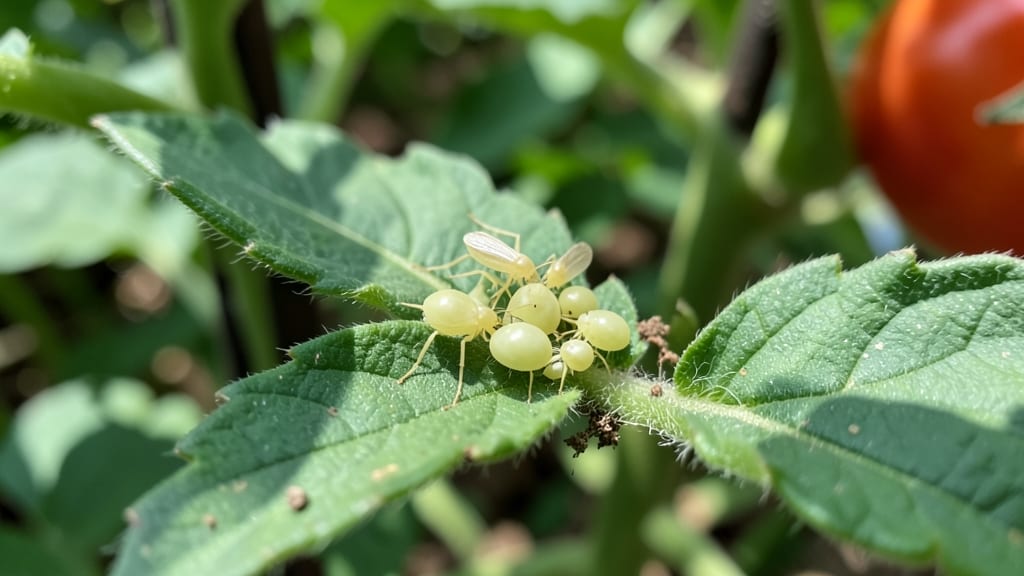
Small bugs on tomato plants are the last thing you want to see when you're counting down to harvest. 🌱 I've battled everything from aphids to spider mites on my plants, and I'll show you how to spot them early—before they turn your tomatoes into a buffet.
The key is acting fast, because these tiny pests multiply overnight.
These little invaders aren't just annoying—they sap your plants' strength, leaving behind sticky residue or webbing that stunts growth. I learned the hard way that a single aphid colony can explode into thousands in just a week.
The good news? Most can be handled with simple, fast-acting methods like soapy water or neem oil.
You'll walk away knowing exactly which bugs you're dealing with, how to eliminate them without harsh chemicals, and how to keep them from coming back. No more guessing games—just clear steps that work in under 30 minutes once you spot the first signs. Your tomatoes will thank you.
Works for both organic gardeners and those who prefer chemical solutions, with clear safety notes for each approach. Let's get those plants back on track before the damage spreads.
Root Causes Of Tiny Invaders
When those tiny pests start feasting on your tomato plants, it’s rarely a random attack—there’s usually a reason behind their unwelcome presence. Understanding the why behind these infestations is the first step to stopping them before they ruin your harvest.
Let’s break down the most common triggers and what they reveal about your garden’s health.
Tomatoes thrive when they have space to breathe, but when plants are packed too closely together or struggling from poor soil, they become easier targets for pests. Here’s why:
- Weakened defenses: Stressed plants produce fewer secondary metabolites (like volatile organic compounds) that naturally repel insects. Think of it like a human with a compromised immune system—pests sense vulnerability.
- Moisture traps: Overcrowding slows air circulation, leading to damp foliage. Many small bugs, like aphids or whiteflies, love humid environments because they prevent predators (like ladybugs) from sticking around.
- Nutrient competition: When roots compete for nutrients, plants may produce softer, more tender leaves—a buffet for chewing insects like hornworms or spider mites.
Actionable fix: Prune plants to improve airflow, thin seedlings, and ensure each tomato has at least 18–24 inches of space between them. Mulch with straw or wood chips to retain moisture without creating soggy conditions.
Healthy soil = healthy plants = fewer pests. When your tomato’s diet is off, it becomes a magnet for bugs. Here’s how:
| Nutrient Deficiency | Pest Attraction | Why It Happens |
|---|---|---|
| Low nitrogen (yellow leaves) | Aphids, whiteflies | Nitrogen-deficient plants produce sweeter sap, which attracts sap-sucking insects. |
| High phosphorus (purple stems) | Fungus gnats, thrips | Excess phosphorus can weaken root systems, making plants more susceptible to soil-borne pests. |
| Compacted or waterlogged soil | Cutworms, slugs | Poor drainage creates shady, moist microclimates where slugs and larvae thrive. |
Actionable fix:
- Test your soil (pH should be 6.0–6.8 for tomatoes) and amend with compost or a balanced fertilizer (like 10-10-10).
- Avoid over-fertilizing—more nitrogen = softer growth = more pest damage.
- Improve drainage by adding perlite or sand to heavy clay soils.
Pests don’t just show up at random—they’re often responding to environmental cues. Here’s how weather plays a role:
- Hot, dry conditions: Spider mites and thrips explode in numbers when temperatures rise above 85°F (29°C). Drought-stressed plants also produce less chlorophyll, making them easier targets.
- Cool, wet springs: Fungus gnats and slugs thrive in damp soil. Overhead watering (especially in the evening) creates a pest paradise.
- Sudden temperature swings: Some pests, like whiteflies, are attracted to warmth but avoid extreme heat. A greenhouse effect under plastic mulch can trap them near your plants.
Actionable fix:
- Water deeply at the base in the morning to reduce humidity around leaves.
- Use row covers or shade cloth if temps exceed 90°F (32°C).
- Plant heat-tolerant varieties like ‘Solar Fire’ or ‘Heatmaster’ if your climate is consistently hot.
In a balanced ecosystem, bugs keep bugs in check. But when you disrupt that harmony—whether through overuse of pesticides or monocropping—you create a vacuum that pests rush to fill. Here’s how:
- Pesticide overkill: Broad-spectrum sprays (like neonicotinoids) kill both pests AND their predators (ladybugs, lacewings, parasitic wasps). Without these allies, aphids or whiteflies multiply unchecked.
- Monoculture gardening: Planting only tomatoes (or other nightshades) removes the diversity that supports predator populations. A single-crop garden is like a buffet sign for pests.
- Urban or suburban isolation: If your garden is surrounded by lawns or pavement, beneficial insects have fewer habitats to thrive in.
Actionable fix:
- Encourage biodiversity: Plant companion plants like basil, marigolds, or dill to attract predatory insects.
- Use targeted sprays (like neem oil or insecticidal soap) that won’t harm beneficial bugs.
- Create wildlife corridors with native flowers or a small water source to attract predators.
By addressing these root causes, you’re not just treating symptoms—you’re breaking the cycle that keeps pests coming back. The key? Healthy plants in a balanced ecosystem are the best pest deterrent of all.
Quick Fixes for Tiny Tomato Plant Invaders
Tiny bugs on your tomato plants can feel like an overwhelming battle, but with the right approach, you can reclaim your garden fast. Below are targeted solutions for the most common culprits—from aphids to spider mites—along with preventive tips to keep your plants thriving. 🚀🌱
Aphids cluster on new growth, leaving sticky residue (honeydew) and stunted plants.
How to Eliminate Them:
- 💦 Blast Them Off: Spray plants with a strong stream of water (early morning works best). Repeat every 2–3 days until gone.
- 🍳 Soap Spray Solution: Mix 1 tbsp mild dish soap + 1 quart water in a spray bottle. Test on a small leaf first—aphids hate it!
- 🐝 Ladybugs & Lacewings: Release beneficial insects (available at garden centers) to eat aphids naturally.
Prevention Tips: ✅ Encourage natural predators by planting dill, fennel, or marigolds nearby. ✅ Inspect new plants before adding them to your garden—aphids hitch rides! ✅ Remove heavily infested leaves to stop the spread.
These microscopic pests thrive in hot, dry conditions, causing yellowing leaves and webbing.
How to Treat Them:
- 🌡️ Increase Humidity: Mist plants daily or use a shade cloth to reduce stress.
- 🧼 Neem Oil Spray: Mix 1 tsp neem oil + 1 tsp mild soap + 1 quart water. Spray every 5–7 days until mites disappear.
- 🔍 Prune & Clean: Wipe leaves with a damp cloth to remove webs and eggs.
Prevention Tips: ✅ Water deeply at the base (avoid overhead spraying). ✅ Avoid over-fertilizing—mites love nitrogen-rich plants. ✅ Use reflective mulch (like aluminum foil) to deter them.
Whiteflies cluster on the undersides of leaves, causing yellowing and sticky messes.
How to Get Rid of Them:
- 🕯️ Yellow Sticky Traps: Hang yellow cards coated in petroleum jelly near plants to trap adults.
- 💨 Fan Them Away: Use a leaf blower to dislodge them (do this in the shade to avoid harming other insects).
- 🌿 Horticultural Oil: Apply oil-based sprays (like Safer® Brand 3-in-1) every 5–7 days.
Prevention Tips: ✅ Check new plants under leaves before bringing them home. ✅ Rotate crops to avoid buildup in the soil. ✅ Plant basil or garlic nearby—they repel whiteflies naturally.
These pests cut down young tomato plants at the stem, leaving them toppled overnight.
How to Stop Them:
- 🌙 Collar Protection: Wrap the base of stems with cardboard or aluminum foil collars (6 inches high).
- 🔦 Flashlights at Night: Shine a light on the garden after dark—cutworms will uncurl, making them easy to pick off.
- 🐛 Diatomaceous Earth: Sprinkle food-grade DE around the base (reapply after rain).
Prevention Tips: ✅ Mulch heavily to disrupt their movement. ✅ Plant parsley or onions nearby—they deter cutworms. ✅ Avoid overwatering at night (they love damp soil).
Even after treating infestations, stop future attacks with these easy habits: 💡 Rotate crops—don’t plant tomatoes in the same spot yearly. 💡 Keep the garden clean—remove debris where pests hide. 💡 Use row covers for early-season protection. 💡 Encourage biodiversity—more birds, bees, and beneficial bugs = fewer pests!
Pro Tip: 🌿 Companion planting is your secret weapon! Basil, marigolds, and onions naturally repel many tomato pests—plant them alongside your tomatoes for a low-maintenance defense system.
With these practical fixes, your tomato plants will bounce back stronger—and you’ll enjoy juicy, pest-free harvests all season! 🍅✨
Frequently asked questions
What are the most common tiny bugs on tomato plants?
The most frequent culprits include aphids (tiny green/black clusters), spider mites (microscopic yellow specks with webbing), and whiteflies (small white moths that flutter when disturbed). Other troublemakers are thrips (slender, fast-moving black bugs) and hornworms (large green caterpillars with white stripes).
How do I tell if my tomato plant has a pest problem?
Watch for sticky residue (honeydew from aphids), yellowing leaves, webs (spider mites), or chewed foliage. Tiny bugs often hide on the undersides of leaves—check there first. If you see tiny black dots on leaves, it might be sooty mold caused by sap-sucking pests.
Are homemade sprays safe for tomato plants?
Yes! A soapy water spray (1 tbsp mild dish soap + 1 quart water) works well for aphids and whiteflies. For spider mites, try neem oil (1 tsp oil + 1 tsp soap + 1 quart water). Always test sprays on a small leaf first and avoid harsh chemicals like bleach or vinegar, which can damage plants.
Can I save my tomatoes if pests are already eating them?
Act fast! Remove heavily infested leaves and isolate affected plants to prevent spread. For hornworms, handpick them (they’re large enough to spot). Use row covers or neem oil to protect remaining fruit. If the damage is severe, consider replacing the plant to avoid disease risk.
How do I keep bugs from coming back next year?
Start with crop rotation—don’t replant tomatoes in the same spot. Use companion plants like basil or marigolds, and mulch heavily to deter soil pests. Plant early-season row covers and inspect new plants before adding them to your garden. Healthy soil (rich in compost) also makes plants more resistant!