
Plants
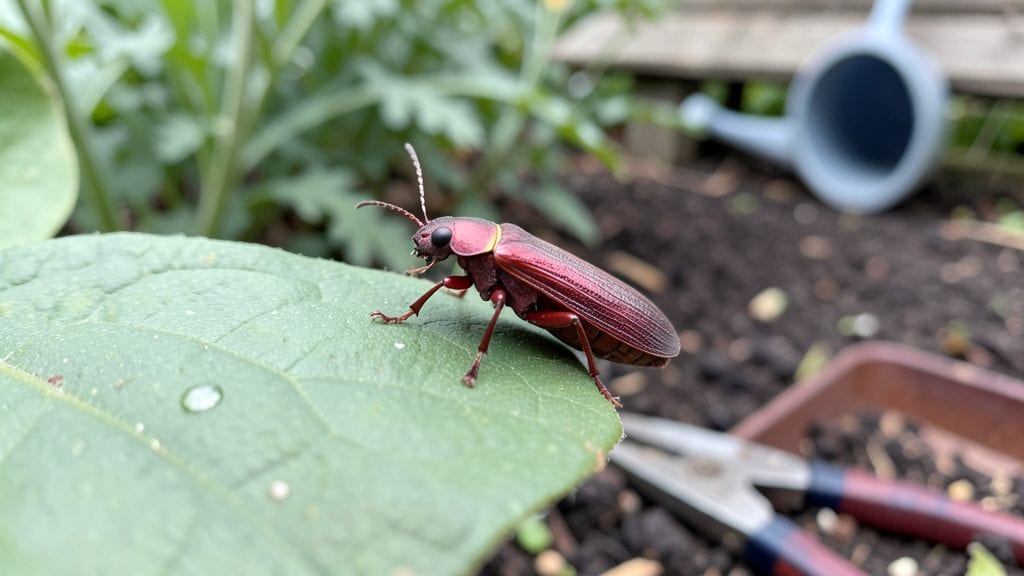
"Scarlet plant bugs are the tiny, red nuisances ruining your garden’s best blooms. 🌿 I’ve watched them turn vibrant petunias into skeleton leaves in days—until I learned their weak spots.
These half-inch predators thrive on soft-stemmed plants like tomatoes, peppers, and roses, but they’re surprisingly easy to outsmart without harsh chemicals.
The key is acting fast when you spot their damage: chewed edges on leaves, blackened spots on fruit, or the bugs themselves darting away when you brush plants. I’ve tried everything from sticky traps to homemade sprays, and the most effective methods don’t even require gloves.
A strong spray of water or neem oil disrupts their life cycle without harming bees or butterflies.
By the end of this, you’ll know exactly how to identify them, which plants they target most, and the foolproof removal tricks that work in under 10 minutes. No more losing your favorite flowers to these speedy pests—just healthier plants and a garden that stays lush all season.
Works for container gardens, raised beds, and in-ground plots alike, no matter where you live. Let’s get those bugs off your plants for good—without the guilt of chemical sprays.
Root Causes Of Plant Damage
Understanding why these tiny pests target your plants is the first step to protecting your garden naturally. Scarlet plant bugs (also called Lygus lineolaris) thrive due to a mix of environmental, biological, and human factors.
Let’s break down the key reasons they invade and damage your plants—and what makes them so effective at it.
Scarlet plant bugs are drawn to plants that are already struggling, whether from stress, poor nutrition, or disease. Here’s why:
- Nutrient Deficiencies 📊 Plants deficient in nitrogen, phosphorus, or potassium produce weaker cell walls, making them easier targets. Bugs detect these deficiencies through volatile organic compounds (VOCs)—chemical signals plants emit when under stress.
- Water Stress 💧 Overwatering or drought creates ideal conditions. Scarlet plant bugs prefer wilting or overly moist foliage, as these plants have lower tannin and resin levels (natural pest deterrents).
- Disease or Injury 🦠 If a plant is already damaged by fungi, bacteria, or physical harm (like hail or pruning cuts), bugs see it as an easy meal. They inject saliva to liquefy plant tissues, which speeds up decay.
Pro Tip: 💡 Conduct a soil test and adjust fertilizers to balance NPK ratios. Mulching with compost strengthens roots and deters pests naturally.
These bugs don’t just appear—they’re lured by specific conditions that boost their survival and reproduction:
- Warm, Dry Climates ☀️ Scarlet plant bugs thrive in temperatures between 70–85°F (21–29°C). Heat speeds up their metabolism, allowing them to lay eggs faster and mature in just 3–4 weeks.
- Sheltered Microclimates 🏡 They love dense foliage, greenhouses, or shaded areas where humidity is high. These spots provide:
- Protection from predators (like birds or ladybugs).
- Moisture retention (critical for their egg-laying process).
- Weedy or Overgrown Areas 🌾 Bugs often migrate from wild hosts (like thistles, alfalfa, or clover) to cultivated plants. If your garden borders unmanaged fields or ditches, expect an influx.
Action Step: 🌡️ Install row covers or reflective mulch to disrupt their breeding cycles. Prune plants to improve airflow and reduce hiding spots.
Not all plants are equally appealing—scarlet plant bugs have specific cravings based on plant chemistry:
| Plant Type | Why They Target It | Common Damage Signs |
|---|---|---|
| Tomatoes | High sugar content in young fruit; soft stems. | Stunted growth, cat-facing on fruit. |
| Peppers & Eggplants | Thin skin makes them easy to pierce; alkaloid-rich (attracts bugs). | Blotchy leaves, deformed buds. |
| Alfalfa & Clover | Nitrogen-fixing plants = high protein = baby bug buffet. | Honeydew buildup, sooty mold. |
| Stone Fruits | Thin fruit skins (peaches, cherries) are vulnerable to saliva injection. | Dimpling, premature drop. |
Key Insight: 🎯 Bugs prefer tender, new growth—so young seedlings, flower buds, and unripe fruit are prime targets.
Sometimes, well-meaning gardening practices accidentally invite these pests:
- Over-Fertilizing with Nitrogen 🚜 While nitrogen boosts growth, it also attracts bugs by making plants softer and more sap-rich.
- Late Planting or Succession Planting ⏳ Bugs overwinter in dug-up soil or compost piles. Planting too late in the season gives them a second feeding cycle before frost.
- Ignoring Beneficial Predators 🐞 Scarlet plant bugs have few natural enemies (unlike aphids, which attract ladybugs). If you overuse broad-spectrum pesticides, you eliminate spiders, lacewings, and parasitic wasps that could control them.
Pro Tip: ✨ Encourage predators by planting dill, fennel, or yarrow—these attract syrphid flies and ground beetles, which hunt scarlet plant bugs.
Their damage peaks at specific life stages, tied to the plant’s growth cycle:
- Early Spring (Egg Stage) 🥚
- Females lay tiny white eggs on leaf undersides or stems.
- Cold snaps can kill eggs, but warm spells trigger hatching.
- Summer (Nymph Stage) 🐛
- Nymphs molt 5 times before adulthood, each stage more aggressive than the last.
- Heatwaves accelerate their development, leading to explosive populations.
- Fall (Adult Migration) 🍂
- Adults seek shelter in leaf litter or garden debris to overwinter.
- Leaving plant debris in beds gives them a head start next spring.
Prevention Tip: 🍃 Rake and remove leaf litter in late fall to starve out overwintering adults. Double-check compost piles—they’re a favorite hiding spot!
Practical steps to remove & prevent pests
Got unwanted tiny invaders feasting on your plants? Don’t panic—these humane, plant-safe solutions will help you reclaim your garden without harming your greenery. Below, we map the most common causes of plant damage to easy, effective fixes, plus pro tips to keep pests away for good.
Before acting, confirm you’re dealing with scarlet plant bugs (or similar sap-suckers). Check for:
- Wilting, curled, or yellowing leaves (a classic sign of feeding damage).
- Sticky residue (honeydew) on leaves or nearby surfaces.
- Tiny, oval-shaped bugs (about ¼ inch long) hiding under leaves or along stems.
💡 Pro Tip: If bugs are present but damage is minimal, wait and monitor—sometimes nature balances itself out!
1.
Hand-Picking (Best for Small Infestations) Why it works: No chemicals, no harm to plants—just good old-fashioned pest control. How to do it: - 👨🍳 Step 1: Wear gloves and inspect plants early in the morning when bugs are sluggish. - 🔪 Step 2: Gently pluck bugs off leaves and stems, dropping them into soapy water (1 tbsp dish soap per gallon of water). - ⏰ Step 3: Repeat 2–3 times per week until no more bugs are visible.
🌡️ Hot Tip: Use a magnifying glass for stubborn hideouts like leaf undersides or flower buds.
2. Natural Sprays (Safe for Plants & Pets)
Why it works: Disrupts bugs’ feeding habits without toxic residue. Best options:
| Spray | How to Use | Frequency |
|---|---|---|
| Neem Oil | Mix 1 tsp neem oil + 1 tsp mild soap + 1 quart water. Spray directly on bugs. | Every 5–7 days |
| Insecticidal Soap | Follow label instructions; spray until leaves glisten. | Every 3–5 days |
| Garlic or Chili Pepper Spray | Blend 4 garlic cloves + 1 tbsp cayenne + 1 quart water. Strain and spray. | Every 4–5 days |
✨ Bonus: Add a few drops of dish soap to sprays to help them stick to bugs’ bodies.
3.
Physical Barriers (Prevent Reinfestation) Why it works: Blocks bugs from reaching plants while they’re most active (dawn/dusk). How to set up: - 🌿 Row Covers: Use fine mesh netting over young plants or seedlings. - 🍃 Sticky Traps: Place yellow sticky cards near affected plants to catch flying adults. - 🪴 Mulch Strategically: Apply wood chips or straw around plant bases to deter crawling bugs.
🎯 Targeted Tip: Focus barriers on new growth—bugs love tender leaves!
1. Encourage Beneficial Predators
Nature’s cleanup crew eats scarlet plant bugs! Attract them with:
- Ladybugs (release them in the morning).
- Lacewings (plant dill, fennel, or yarrow to lure them).
- Birds (install a birdhouse or bath near your garden).
💡 Did You Know? A single ladybug can eat 50+ bugs in a day!
2. Strengthen Your Plants
Healthy plants resist pests better. Boost defenses with:
- Balanced Fertilizer: Use low-nitrogen, high-phosphorus feeds (e.g., compost tea).
- Proper Watering: Deep watering (1 inch per week) reduces stress.
- Prune Regularly: Remove damaged or diseased leaves to eliminate hiding spots.
🌱 Growth Hack: Interplant with herbs like basil or mint—their strong scents repel bugs!
3. Rotate & Diversify Plantings
Bugs target monocultures (large patches of one plant). Mix it up with:
- Companion Planting: Pair vulnerable plants with marigolds, nasturtiums, or garlic.
- Crop Rotation: Move plant families to new spots yearly to disrupt bug life cycles.
🔄 Seasonal Swap: If bugs hit tomatoes, try planting bush beans nearby—they confuse pests!
- ❌ Avoid broad-spectrum pesticides (they kill beneficial insects too).
- ❌ Don’t overwater—soggy soil attracts more pests.
- ❌ Ignore early signs—act fast to prevent spread!
Remember: Patience is key! Some methods take 2–4 weeks to show full results. Combine removal + prevention for the best defense. Your garden will thank you—and so will your plants! 🌿💚
Frequently asked questions
How do I tell scarlet plant bugs apart from other garden pests?
Look for their bright red, oval bodies (about ¼ inch) and pointed heads. Unlike aphids, they’re fast-moving and hide under leaves or along stems. Check for sticky honeydew—a dead giveaway they’re feeding on your plants.
Are these bugs harmful to humans or pets?
No, they’re not dangerous to touch or ingest. Scarlet plant bugs are plant feeders only and won’t bite humans or pets. The real concern is their damage to your garden—especially tomatoes, peppers, and roses. Always wash produce thoroughly before eating.
Why do they seem to appear suddenly in my garden?
These bugs thrive in warm, sheltered spots and often migrate from wild hosts like alfalfa or clover. If your garden has dense foliage or weedy areas, they’ll hide there until conditions are perfect. They also lay tiny white eggs on leaf undersides—check there first if you suspect an infestation.
Will neem oil really work, or is it just a myth?
Neem oil is highly effective when used correctly! Mix 1 tsp neem oil + 1 tsp mild soap + 1 quart water and spray directly on bugs (they hate the smell). Reapply every 5–7 days for best results. It disrupts their life cycle without harming plants or beneficial insects.
What’s the fastest way to stop them from ruining my tomatoes?
For immediate results, combine hand-picking (drop bugs in soapy water) with a strong spray of water (disrupts their feeding). Then, apply insecticidal soap every 3–5 days. Focus on new growth—bugs love tender leaves and fruit.