
Planting
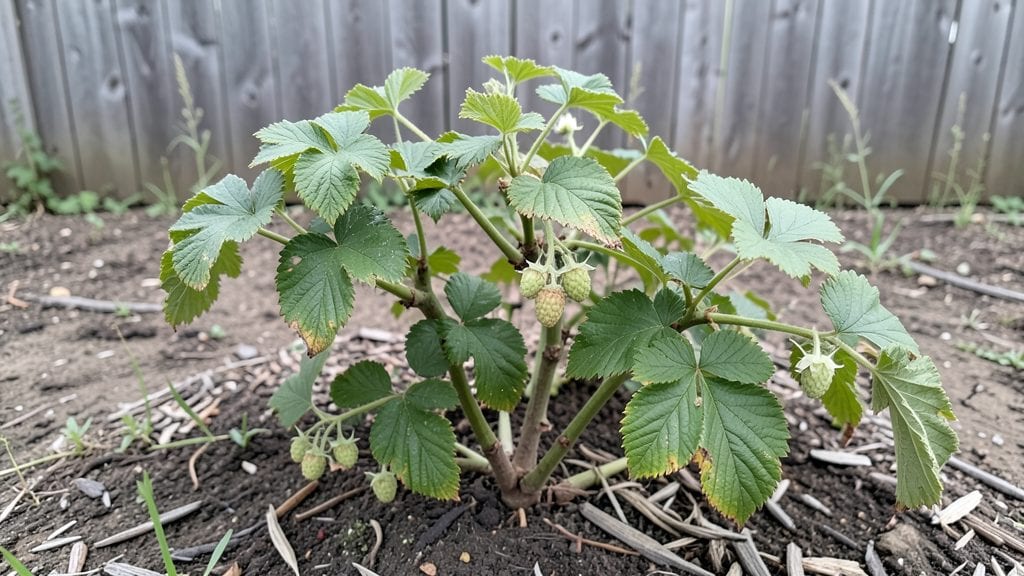
The identification of a raspberry plant begins with its leaves and thorns—those tiny details set raspberries apart from look-alikes like blackberries and dewberries, and I’ve spent years telling the difference between Heritage’s broad, lobed leaves and Fall Gold’s narrower ones, once you know what to look for, it’s impossible to confuse them.
The key is matching leaf shape, cane color, and berry color to the right variety, because a misidentified plant means wasted space or disappointing harvests.
Most raspberries have five-to-seven-lobed leaves with serrated edges, but the size and angle of those lobes vary. Primocanes (first-year canes) are usually green or red, while floricanes (second-year canes) bear the fruit. Thorns on raspberry canes are smaller and more frequent than on blackberries, which often have larger, hook-like thorns.
Take a photo of the leaves, berries, and canes—you’ll thank yourself later when comparing them to reference guides or apps like PlantNet.
You’ll spot the difference immediately once you know the patterns: Heritage raspberries have deep red berries and glossy leaves, while Fall Gold’s fruit is golden-yellow and the canes stay green longer. Boyne raspberries, a summer-bearing variety, have lighter green leaves and fewer thorns.
The biggest mistake? Assuming a plant is a raspberry just because it has berries—many blackberry varieties mimic raspberries until you look closely.
For absolute certainty, check with your local extension office or use a plant ID app to cross-reference. I’ve sent photos of questionable plants to experts and gotten answers within hours. The payoff?
A thriving patch of the exact raspberry variety you want, not a garden full of surprises. Start with the leaves, then the canes, and you’ll never second-guess your identification again.
Root Causes Of Misidentification
Understanding why raspberry plants are often confused with other species starts with recognizing the biological and environmental factors that shape their appearance. Misidentification usually stems from a mix of natural variability, human error, and overlapping traits with look-alike plants.
Below, we break down the key reasons why even experienced gardeners might struggle to pinpoint a raspberry plant at first glance.
Raspberries share striking similarities with blackberries, dewberries, and even some wild roses, making visual identification tricky. Their serrated leaves, thorny canes, and clustered fruit can blur the lines, especially when plants are young or stressed.
- Blackberries vs. Raspberries:
- Blackberries have longer, more pointed leaves with bristly hairs (raspberries are smoother).
- Their canes are arching and less upright, and their fruit stays attached to the core when picked (raspberries detach easily).
- Thorns on blackberry canes are often longer and more aggressive.
- Dewberries vs. Raspberries:
- Dewberries grow low to the ground (trailing habit) while raspberries stand upright.
- Their fruit is smaller and sweeter, often with a reddish tint even when ripe.
- Leaves may appear more lobed or jagged than raspberry foliage.
- Wild Roses vs. Raspberries:
- Rose canes have sharp, curved thorns (raspberry thorns are straighter).
- Rose leaves are pinnately compound (multiple leaflets per stem), while raspberry leaves are simple with 3-5 serrated lobes.
💡 Pro Tip: Always check the fruit attachment—this is the fastest way to tell raspberries apart from blackberries!
Young raspberry plants—especially primocanes (first-year canes)—can look nothing like mature fruit-bearing canes. Their leaves may be smaller, paler, and less lobed, making them resemble weeds or other brambles.
- First-Year Canes (Primocanes):
- Often thinner and less thorny than floricanes (second-year canes).
- Leaves may appear more heart-shaped with fewer serrations.
- No fruit is produced in the first year, leading to misidentification as non-fruiting plants.
- Dormant vs. Active Growth:
- In winter or early spring, raspberry canes may look bare and dead, resembling deadfall or invasive vines.
- New shoots in spring can be mistaken for bamboo or ornamental grasses due to their rapid vertical growth.
✨ Quick Fix: Wait for summer when leaves fully develop and thorns harden—this is when identification becomes easiest.
Drought, poor soil, or extreme temperatures can alter raspberry plant appearance, making them harder to recognize.
Stressed plants may develop: - Smaller, curled leaves (resembling diseased or nutrient-deficient plants). - Fewer or weaker thorns (appearing almost thornless in severe cases). - Unusual leaf discoloration (yellowing or browning, mimicking fungal infections).
| Stress Factor | Effect on Raspberry Plant | How to Confirm It’s a Raspberry |
|---|---|---|
| Drought | Leaves turn blue-green or crinkled | Check root zone moisture—raspberries hate dry soil. |
| Overwatering | Leaves yellow and wilt, canes soft and mushy | Look for fungal odor or mold on stems. |
| Nutrient Deficiency | Pale yellow leaves (chlorosis) | Test soil pH—raspberries prefer 5.5–6.5. |
| Cold Damage | Blackened or shriveled canes in spring | Check for buds breaking in late spring—raspberries are hardy. |
🔥 Action Step: If a plant looks "off," compare it to a healthy raspberry—stress often masks true identification.
Even with clear visual cues, misidentification happens because:
- People focus on fruit first (ignoring leaf/thorn structure).
- Thorns are overlooked—some varieties (like fall-bearing raspberries) have fewer thorns, making them seem like blackberries.
- Cultural bias—gardeners assume all brambles are blackberries unless proven otherwise.
🎯 Best Practice: Examine leaves, canes, and growth habit—not just the fruit. A close-up of the leaf base (where it attaches to the stem) can reveal key differences.
Raspberry plants adapt to local climates, leading to regional variations in leaf shape, thorn density, and cane color.
For example: - Northern climates: Raspberries may have darker, thicker canes and smaller leaves due to shorter growing seasons. - Southern climates: Plants may grow taller, thinner canes with lighter green leaves to handle heat. - High-altitude areas: Leaves may be more lobed and waxy to conserve moisture.
🌡️ Climate Check: If you’re unsure, compare your plant to local raspberry varieties—extension offices often have regional guides.
Certain pathogens and insects can mimic raspberry traits, leading to false identifications:
- Raspberry Bushy Dwarf Virus: Causes stunted growth, small leaves, and excessive branching—making plants look like young brambles.
- Japanese Beetle Damage: Leaves develop irregular holes, resembling herbicide burn or nutrient deficiency.
- Spider Mites: Cause silvering or stippling on leaves, making them look unnaturally patterned.
🔪 Diagnostic Move: Look for symptoms beyond the plant itself—diseased raspberries often have distinct discoloration or unusual growth patterns.
If a raspberry patch was long abandoned or mixed with other plants, cross-pollination or hybrid vigor can create unusual hybrids that don’t match standard descriptions.
For example: - Raspberry × Blackberry hybrids (like loganberries or boysenberries) have unique leaf shapes and fruit structures. - Old, unmanaged plants may revert to wild types, losing cultivated traits.
📊 Solution: If in doubt, dig up a cane and check the root system—raspberries have fibrous, shallow roots, while blackberries have deeper, woody roots.
To avoid misidentification, always verify these 3 key features: 1. Leaf Attachment: Raspberries have 3–5 lobes with serrated edges; blackberries have 5–7 lobes with bristly undersides.
- Fruit Core: Raspberries detach from the core; blackberries stay attached.
- Cane Structure: Raspberries are upright with straight thorns; blackberries arch with curved thorns.
By understanding why raspberries can look like other plants, you’ll sharpen your identification skills—and avoid planting the wrong bramble in your garden! 🌱🔍
Quick fixes for common raspberry issues
Got a raspberry plant that’s not looking its best? Whether it’s leaf spots, wilted canes, or mysterious thorn changes, these practical fixes will get your plants back on track—fast. Below, we’ve mapped the most common problems to simple, actionable solutions, plus prevention tips to keep your berries thriving long-term.
If your raspberry leaves are turning yellow, developing brown spots, or looking mushy, you’re likely dealing with fungal infections (like rust or botrytis) or overwatering. Here’s how to tackle it:
🔥 Step 1: Identify the Culprit
- Fungal infection? Check for powdery white spots (rust), dark splotches (botrytis), or yellowing edges.
- Overwatering? Soil feels soggy, leaves look limp, and roots smell rotten.
🍳 Step 2: Treat It
- For fungi:
- Prune infected leaves immediately with sterilized scissors (rubbing alcohol works).
- Spray leaves with a copper fungicide or baking soda mix (1 tsp baking soda + 1 quart water + a drop of dish soap).
- Improve air circulation by spacing plants 2–3 feet apart.
- For overwatering:
- Let the top 1–2 inches of soil dry out before watering again.
- Amend heavy clay soil with compost to improve drainage.
💡 Prevention Tips
- Water at the base of the plant (avoid wetting leaves).
- Mulch with straw to keep soil moist but not soggy.
- Remove old canes after harvest to reduce fungal buildup.
If your raspberry canes are wilting suddenly or drooping like overcooked spaghetti, it’s usually a sign of heat stress, underwatering, or root issues. Don’t panic—here’s how to revive them:
🔥 Step 1: Check the Roots
- Gently dig around the base. Healthy roots are firm and white; mushy or black roots mean rot.
👨🍳 Step 2: Fix It
- If roots are healthy:
- Water deeply (1–2 inches per week) and shade the plant temporarily with a cloth or shade cloth.
- Avoid watering in the evening to prevent fungal growth.
- If roots are rotting:
- Trim away mushy roots with clean pruners.
- Repot in fresh, well-draining soil (mix garden soil with perlite or sand).
- Hold off on watering for 3–4 days to let roots recover.
🎯 Prevention Tips
- Water early in the morning to reduce evaporation.
- Use drip irrigation to deliver water directly to roots.
- Plant raspberries in well-draining soil with a pH of 5.5–6.5.
Are your raspberry canes thicker than usual with extra thorns or looking weak and leggy? This often signals phosphorus deficiency (for thorns) or nitrogen deficiency/pest damage. Here’s how to strengthen them:
🔥 Step 1: Diagnose the Issue
- Extra thorns? Likely a phosphorus deficiency (P).
- Weak, pale canes? Could be nitrogen deficiency (N) or aphid/japanese beetle damage.
🍳 Step 2: Fertilize & Protect
- For phosphorus deficiency:
- Apply a bone meal fertilizer (high in P) in early spring.
- Side-dress with composted manure for a slow-release boost.
- For nitrogen deficiency:
- Use a balanced fertilizer (10-10-10) or blood meal.
- Add alfalfa meal to improve soil health.
- For pests:
- Spray canes with neem oil or insecticidal soap.
- Install row covers to block beetles.
✨ Prevention Tips
- Test your soil every 2–3 years and amend as needed.
- Rotate crops if growing raspberries in the same spot yearly.
- Plant companion plants like marigolds to deter pests.
If your raspberry plant is growing slowly or producing tiny, tasteless berries, it might be due to poor pollination, wrong variety, or environmental stress. Let’s get those berries popping!
🔥 Step 1: Rule Out the Basics
- Is it a summer-bearing vs. fall-bearing variety? Summer types need cross-pollination (plant two varieties nearby).
- Are bees visiting? If not, hand-pollinate with a small brush.
🍳 Step 2: Boost Berry Production
- For small berries:
- Thin out canes to 4–6 per plant for better airflow and fruit size.
- Fertilize with potassium-rich compost (like banana peels or wood ash).
- For no berries:
- Ensure full sunlight (6–8 hours/day)
- Prune old canes in late winter/early spring to encourage new growth.
- Ensure full sunlight (6–8 hours/day)
🌡️ Prevention Tips
- Choose disease-resistant varieties like ‘Heritage’ or ‘Boyne’ for your climate.
- Mulch heavily in winter to protect roots from temperature swings.
- Harvest berries regularly to encourage more production.
Frequently asked questions
How do I tell if my plant is a raspberry vs. blackberry?
Check the fruit core first—raspberries detach from the core while blackberries stay attached. Also, raspberry canes are upright with straight thorns, while blackberry canes arch with curved, hook-like thorns. Pro tip: Examine leaves—raspberries have 3–5 smooth lobes; blackberries have 5–7 bristly lobes.
Why do some raspberry varieties have almost no thorns?
Varieties like Heritage or Boyne are bred to be thornless for easier harvesting. However, even these may have tiny, soft thorns—just less aggressive than traditional types. Thornlessness is a cultivated trait, not a natural one. Always verify by checking leaf shape and fruit attachment.
Can I use a plant ID app to confirm raspberry varieties?
Yes! Apps like PlantNet or PictureThis work well for raspberries. Upload clear photos of leaves, canes, and berries—focus on the leaf lobes and thorn patterns. For best results, take pictures on a sunny day with no shadows. If the app is unsure, cross-check with a local extension office.
What if my raspberry plant looks strange but isn’t producing fruit yet?
First-year canes (primocanes) won’t bear fruit—they’re all about leaf and cane growth. Look for thorns and leaf shape instead. If it’s summer and still no fruit, check if it’s a fall-bearing variety (like Fall Gold) or if you’ve planted two compatible varieties for pollination. Wait until next year if unsure.
Are there any raspberry look-alikes I should watch out for?
Yes! Dewberries (trailing growth, smaller berries) and wild roses (compound leaves, curved thorns) are common mimics. Even loganberries (raspberry-blackberry hybrids) can fool gardeners—they have larger leaves and elongated fruit. Always dig up a cane to check the root system if in doubt.