Pruning
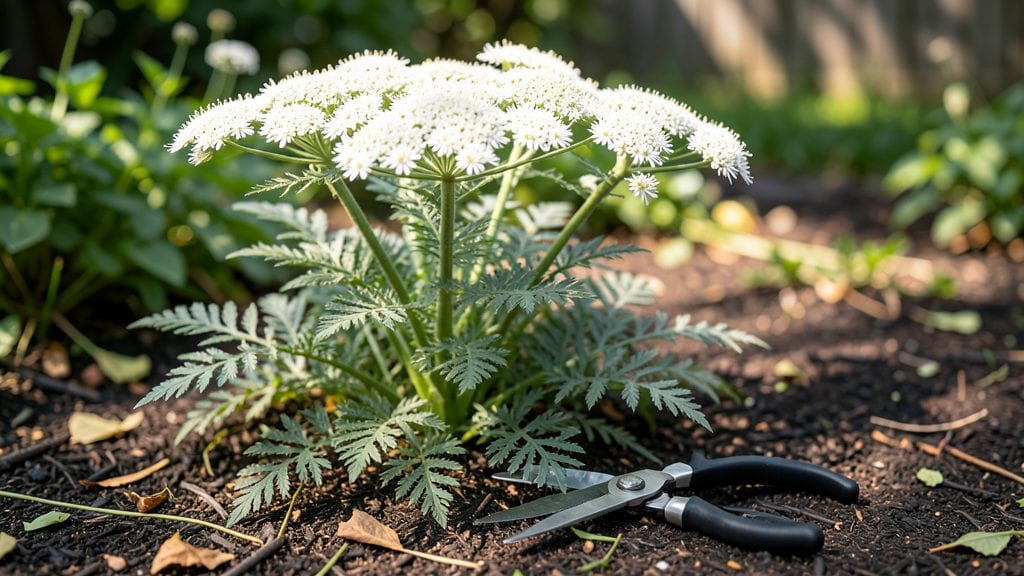
Pruning yarrow plants keeps them blooming like clockwork all season long. 🌿 I’ve learned the hard way that skipping this step means leggy stems and fewer flowers—but four well-timed cuts transform yarrow from a wild tangle into a vibrant, bushy powerhouse that thrives year after year.
The key lies in understanding when to cut (and when to leave it alone), because yarrow grows fast and rebounds even better after a trim than most perennials.
You’ll need sharp pruners, a pair of gloves, and about 15 minutes for each session. Start in early spring when new growth appears, then repeat after the first flush of blooms, again in late summer, and finally in fall to tidy up.
The goal isn’t to shear it like a hedge—just remove dead stems, spent flowers, and up to one-third of the plant’s height at a time. Over-pruning stresses yarrow, so think “light touch” rather than “clean sweep.”
What you’ll end up with is a plant that looks fuller, flowers longer, and spreads less aggressively. The first cut in spring encourages fresh growth, the summer trim extends blooming season, and the fall cleanup keeps it healthy through winter.
By next year, your yarrow will be the star of the border—neighbor-jealousy levels of lushness guaranteed.
Works for both wildflower gardens and formal borders, and the same principles apply whether you’re pruning a single plant or a whole patch. Here’s how to do it right the first time—and keep doing it every season without second-guessing.
📚 In This Guide
- What you need
- Instructions
- Tips and common mistakes
- Wrapping up and next steps
What you need
- ● Pruning shears or secateurs – Sharp, clean, and sterilized (bypass pruners work best for clean cuts). Size: 5-7 inches for precision.
- ● Gloves – Garden gloves (nitrile or leather) to protect hands from thorns and sap.
- ○ Disinfectant (optional but recommended) – Rubbing alcohol (70% isopropyl) or hydrogen peroxide to sterilize tools between cuts.
- ● Garden twine or plant ties – For securing sprawling stems if needed (1-2 feet per plant).
- ● Compost or mulch – To replenish soil after pruning (1-2 inches per plant).
- ● Hand pruners – For smaller, hard-to-reach stems.
- ● Knee pads – If your yarrow is ground-level or you’re working for long stretches.
- ● Plant markers – To label varieties if you have multiple types.
- ● Dried flower basket or vase – To preserve cuttings for bouquets or crafts!
Step-by-Step instructions for pruning yarrow plants
Here's how to keep your yarrow thriving with just four simple cuts throughout the year.
✂️ Step 1: First Cut in Early Spring
As soon as new growth emerges in early spring, grab your pruners and cut back the previous year's stems by one-third. This removes dead foliage and encourages fresh, vibrant growth. Look for the first 2-3 inches of tender green shoots—that's your signal to start.
I like to make clean cuts just above a leaf node or bud. This ensures the plant has energy reserves to fuel new stems. Avoid cutting into woody stems—yarrow's tough but not indestructible. If you see any blackened or mushy stems, snip those off completely to prevent disease from spreading.
✂️ Step 2: Mid-Season Deadheading
When you see the first spent blooms in late spring or early summer, it's time for your second cut. Snip off the entire flower stalk right at the base where it meets the foliage. This redirects the plant's energy from seed production back into more flowers.
Don't worry about being too precise here—just remove the whole spent stem. You'll notice fresh buds forming within 2-3 weeks if the plant is healthy. This is the secret to those long-lasting summer blooms. If you skip this step, you'll end up with a single flush of flowers that fades quickly.
✂️ Step 3: Late Summer Renewal Cut
By late summer, your yarrow may start looking tired. Give it a light trim by cutting back one-half of the plant's height. This removes leggy stems and encourages a fresh burst of growth before fall. Look for stems that are woody or bare—those are your targets.
I like to do this cut on a mild day when temperatures are below 80°F. Hot afternoons can stress the plant, so early morning or late evening is ideal. After trimming, water the base deeply to help the plant recover. You'll often see new foliage and even a few late-season blooms within 3-4 weeks.
✂️ Step 4: Final Cut in Late Fall
In late fall, after the first hard frost, give your yarrow one last trim. Cut back all stems to 2-3 inches above the ground. This removes dead foliage and prevents disease from overwintering in the plant. Yarrow is hardy, so it won't mind this dramatic cut.
Leave the cut stems where they fall—they'll provide some winter interest in the garden. If you're in a particularly cold climate, you can mulch lightly around the base with 2-3 inches of shredded leaves to protect the crown. This final cut sets your yarrow up for a strong start next spring.
Tips & tricks for perfect pruning of yarrow plants
Mastering these four strategic cuts will transform your yarrow from an afterthought to a garden showstopper—here's how to nail each step like a pro.
The Heat Factor: For the late summer renewal cut (Step 3), timing matters more than you might think. Always prune when temperatures are below 80°F—hot afternoons can shock the plant. I've learned this the hard way after seeing yarrow wilt dramatically when trimmed midday in July. Early morning or late evening are your best bets for stress-free pruning.
Visual Cues: When you're doing the first spring cut (Step 1), look for those 2-3 inches of tender green shoots as your signal to start. These fresh growth points are your plant's way of telling you it's ready for a haircut. If you see blackened or mushy stems, snip those completely—they're not just unsightly, they're disease magnets that'll spread if left unattended.
Seasonal Timing Secret: The 2-3 weeks window mentioned after deadheading (Step 2) is your plant's natural recovery timeline. During this period, yarrow redirects its energy from seed production to flower production. If you're not seeing new buds after this time, check for pests or nutrient deficiencies—sometimes the problem isn't the pruning but what's happening below the soil.
Winter Prep Strategy: For the final fall cut (Step 4), don't skip the mulching step if you're in a cold climate. That 2-3 inches of shredded leaves acts like a cozy blanket, protecting the crown from temperature swings. I've seen yarrow plants that looked dead in winter bounce back beautifully because of this simple protection—it's like giving your plant a winter coat.
Pro Tips for Pruning Yarrow Plants
- Mastering these four strategic cuts will transform your yarrow from an afterthought to a garden showstopper—here's how to nail each step like a pro.
- The Heat Factor: For the late summer renewal cut (Step 3), timing matters more than you might think.
- Visual Cues: When you're doing the first spring cut (Step 1), look for those 2-3 inches of tender green shoots as your signal to start.
Frequently asked questions
Got questions about pruning yarrow? You’re not alone! Here are answers to the most common queries to keep your plants thriving and blooming all season long.
When is the best time to prune yarrow for continuous blooms?
Prune yarrow four times a year for nonstop flowers: early spring (to shape and remove dead growth), after the first bloom (to encourage reblooming), late summer (to tidy up), and fall (to prep for winter). Each cut triggers new growth and extends the blooming season!
How much should I cut back yarrow at each pruning?
For spring and fall, trim back by 1/3 to 1/2 of the plant’s height. For post-bloom cuts, remove only the spent flower stems—never cut into the woody base. Over-pruning can stress the plant, while under-pruning may lead to leggy growth.
What if my yarrow stops blooming after pruning?
If blooms fizzle out, check these fixes: 1) Ensure you’re cutting above a leaf node (not bare stems). 2) Fertilize lightly with balanced 10-10-10 after pruning. 3) Confirm it’s getting 6+ hours of sun daily. Yarrow is drought-tolerant but needs sunlight to rebloom!
Can I prune yarrow in winter? How cold is too cold?
Yarrow is hardy to USDA Zone 3, so winter pruning is safe in mild climates (Zones 7+). In colder zones, wait until late winter/early spring (when new growth appears). Avoid pruning during frost or snow—wait for soil to thaw to prevent stress.
What’s an alternative if I miss the pruning window?
No worries! If you skip a pruning, focus on the next one. For example, if you miss the post-bloom cut, prioritize a late-summer tidy-up to remove leggy stems. Yarrow is forgiving—consistency matters more than perfection. Just never prune in fall if frost is imminent!
Wrapping up and next steps
Pruning yarrow isn’t just about keeping your plants tidy—it’s your secret weapon for longer blooms, healthier growth, and even more vibrant foliage! 🌿 By mastering the four strategic cuts (spring cleanup, summer shaping, fall rejuvenation, and winter maintenance), you’ll turn your yarrow into a year-round showstopper.
Now that you’re armed with the when, why, and how, grab those shears and get pruning—your garden (and pollinators!) will thank you.
Ready to take it further? Experiment with deadheading spent blooms or try propagating cuttings to share with fellow plant lovers. Happy pruning—your yarrow’s next chapter starts with you! 🌸