Pruning
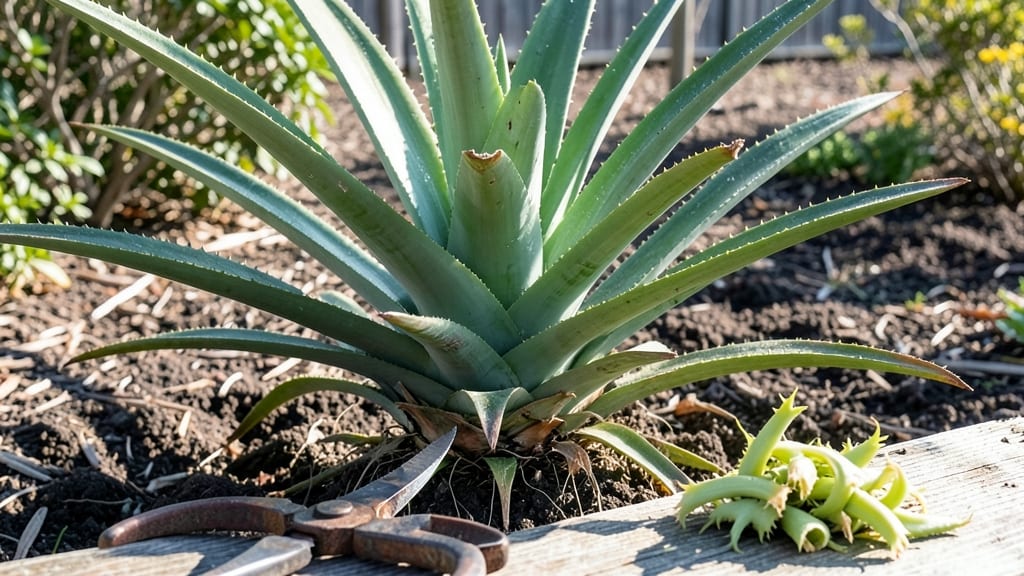
Pruning pineapple plants isn't just about keeping them tidy—it's the secret to year-round fruit production that turns a single plant into a continuous harvest machine. 🌱 I've watched my own pineapples go from one lonely fruit to a steady stream of sweet, golden rewards just by making a few strategic cuts at the right time.
The key is understanding which leaves to remove, when to do it, and how to encourage the plant to keep producing.
You'll need sharp pruning shears or a clean knife, a spray bottle with rubbing alcohol for sterilization, and a little patience—this isn't a rush job. The best time to prune is right after harvesting fruit, when the plant is already signaling it's ready for new growth.
Most people overlook the smaller leaves at the base, but those are where future fruit starts. A quick trim every 3-4 months keeps air circulating and prevents rot.
What you'll end up with is a pineapple plant that looks like a well-groomed tropical bush instead of a tangled mess. The fruit becomes sweeter and larger, the leaves stay vibrant green, and you'll have multiple harvests instead of just one.
Plus, the plant lives longer—some of my pruned pineapples have been producing for over three years now. The payoff is worth the 10 minutes it takes every few months.
This works for both container-grown plants and in-ground tropical gardens, though container plants let you move them indoors if frost threatens. The same principles apply whether you're dealing with a single plant or a small collection.
Let's get those shears ready and turn that one-time harvest into a steady supply of fresh pineapple.
📚 In This Guide
- What you need
- Instructions
- Tips and common mistakes
- Wrapping up and next steps
What you need
- ● Sharp pruning shears or bypass pruners: Choose sterilized, high-quality tools with a 4- to 6-inch blade for precision cuts. Avoid dull tools—they can damage plant tissue.
- ● Garden gloves: A pair of cut-resistant, breathable gloves (e.g., nitrile-coated) to protect your hands from thorns and sap.
- ● Disinfectant solution: 70% isopropyl alcohol or a 10% bleach-water mix (1 part bleach to 9 parts water) to sterilize tools before and after pruning.
- ○ Pruning sealant (optional but recommended): A tree wound dressing or pruning paste (e.g., Tanglefoot Pruning Seal) to prevent disease entry through cuts.
- ● Compost or mulch: A 1- to 2-inch layer of organic matter (e.g., shredded leaves, coconut coir) to reduce moisture loss and deter pests.
- ● Watering can or hose with a gentle spray nozzle: For light hydration post-pruning (avoid overwatering).
- ● Handheld mirror or flashlight: For inspecting hard-to-reach areas under dense foliage.
- ● Plant growth regulator (e.g., hydrogen peroxide 3%): Dilute to 1:9 ratio with water to clean cuts and promote faster healing.
- ● Labeling tags: Small, weatherproof tags to mark pruned sections if propagating from slips.
- ● Safety glasses: If your pineapple plant is particularly thorny or you’re working near your eyes.
How to prune pineapple plants for maximum fruit production
Strategic pruning keeps your pineapple plant healthy and packed with fruit.
🌱 Step 1: Identify Healthy Mature Leaves for Pruning
Pineapple plants produce fruit from the center, so focus on pruning only the oldest, outermost leaves. These are the ones that feel dry or brown at the tips and have a slightly yellowed base. I like to wait until about 1/3 of the leaf shows signs of aging—this ensures the plant still has enough energy to support fruit development.
Gently grasp a mature leaf near its base and twist it clockwise until it separates cleanly. Avoid cutting the leaf with shears, as this can damage the plant's vascular system. You'll know you've picked the right leaves when the remaining plant looks compact and the center remains untouched.
✂️ Step 2: Remove Leaves in Stages
Never remove more than 1/4 of the plant's leaves at once. Pineapples are sensitive, and sudden defoliation stresses them. I typically prune 2-3 mature leaves every 2-3 weeks during the growing season. This gradual approach prevents shock and keeps the plant producing fruit steadily.
After each trim, step back and inspect the plant. The goal is to maintain a balanced shape with a clear, open center. If you accidentally remove too many leaves, don't panic—just pause pruning for a few weeks and monitor the plant's recovery. You'll see new growth emerge from the base within 3-4 weeks.
🌿 Step 3: Encourage Offshoots for New Plants
Pineapple plants often produce "pups" or offshoots at the base. These are your future plants! Once a pup reaches about 1/3 the size of the mother plant, gently twist it free from the base. Be patient—pups need time to develop roots before transplanting, usually 4-6 weeks.
While waiting, keep the pups in a shady, humid spot near the mother plant. You'll notice small roots forming at the base of the pup. Once roots are 2-3 inches long, they're ready for their own pot. This is how you expand your pineapple collection without spending a dime!
☀️ Step 4: Maintain Light and Water After Pruning
Pineapples thrive in full sun (6-8 hours daily), but newly pruned plants need extra care. After trimming, water deeply to help the plant recover. Let the soil dry slightly between waterings—pineapples hate soggy roots. I usually water every 5-7 days unless it's extremely hot, then I water every 3-4 days.
Fertilize lightly with a balanced, water-soluble fertilizer every 4-6 weeks to support new growth. You'll see the plant bounce back within 2-3 weeks with fresh, vibrant leaves. If the center starts to look bare, it's a sign the plant is ready for another round of pruning.
⏰ Step 5: Time Pruning for Year-Round Fruit
Prune your pineapple plant in early spring to kickstart growth for the season. However, you can prune lightly throughout the year to maintain shape and encourage continuous fruiting. The key is consistency—prune once a month during warm months and reduce to once every 2 months in cooler weather.
Watch for fruit development in the center. A healthy pineapple will take 12-18 months to mature after pruning. If the fruit starts to turn yellow at the base, it's nearly ripe! This is your reward for patient, strategic pruning—sweet, juicy pineapple straight from your plant.
Tips & tricks for pruning pineapple plants
Here's what I learned after years of growing pineapples—these tricks will help you avoid common mistakes and get the most fruit from your plant.
The Leaf Test: Before pruning, run your finger along the leaf's edge. If it feels dry or papery, it's ready to go. I also check for a slight yellowing at the base—this is your signal that the leaf has done its job and can be removed. The center should always remain untouched, as that's where the fruit develops.
Timing Secret: Stick to the 2-3 weeks schedule during warm months, but don't stress if you miss a week. Pineapples are forgiving! The key is consistency over time. In cooler months, reduce to once every 2 months—this prevents over-stressing the plant while still maintaining shape. You'll see new growth emerge within 3-4 weeks after each trim.
Pup Care: When those pups reach 1/3 the size of the mother plant, resist the urge to rush their transplanting. Wait the full 4-6 weeks for roots to develop—this gives them the best chance to thrive on their own. Keep them in a shady, humid spot near the mother plant while they root. You'll notice tiny roots forming at the base before they're ready for their own pot.
Recovery Strategy: If you accidentally remove too many leaves at once, don't panic. Pause pruning for a few weeks and focus on care instead. Water deeply every 5-7 days and fertilize lightly every 4-6 weeks. You'll see fresh, vibrant leaves return within 2-3 weeks—this is your plant's way of telling you it's ready for more.
Pro Tips for Pruning Pineapple Plants
- Here's what I learned after years of growing pineapples—these tricks will help you avoid common mistakes and get the most fruit from your plant.
- The Leaf Test: Before pruning, run your finger along the leaf's edge.
- Timing Secret: Stick to the 2-3 weeks schedule during warm months, but don't stress if you miss a week.
Frequently asked questions
When is the best time to prune pineapple plants?
The ideal time to prune pineapples is after they’ve produced fruit (around 6–8 months post-harvest) or when the plant shows signs of stress, like yellowing leaves. Avoid pruning during extreme heat or cold—spring or early fall is best. Pro tip: If your plant is healthy but overgrown, prune in stages to reduce shock.
How much of the pineapple plant should I cut off?
Remove no more than 1/3 of the plant’s foliage in a single session. Focus on yellowing, damaged, or overly crowded leaves at the base. Cut just above a leaf node (where new growth emerges) to encourage regrowth. Warning: Over-pruning can stress the plant and reduce future fruit production.
Can I prune a pineapple plant that hasn’t fruited yet?
Yes, but lightly! If your plant is young (<1 year old) or hasn’t fruited, prune only to remove dead, diseased, or pest-damaged leaves. Avoid heavy cuts—this can delay flowering. Wait until the plant is mature (18+ months) for full pruning to boost fruit production.
What should I do if my pineapple plant dies after pruning?
Don’t panic! If the plant appears dead, check for root rot (soggy soil) or over-pruning. Trim any remaining blackened leaves, repot in fresh, well-draining soil, and place it in bright, indirect light. Keep soil slightly moist (not soggy) and avoid fertilizing until new growth appears.
Can I save the cut-off leaves for new plants?
The pups (baby plants) that grow at the base of the mother plant can be separated and replanted. Even the top 1–2 inches of a cut leaf can root in water or soil—just place it in indirect light until roots form (4–6 weeks). This is a great way to propagate free pineapples!
Wrapping up and next steps
Pruning pineapple plants isn’t just about tidying up—it’s your secret weapon for bigger, sweeter fruit and healthier growth! By mastering the art of strategic trims, you’ll unlock year-round harvests and stronger plants. Whether you’re a seasoned gardener or just starting, every snip brings you closer to that juicy, golden reward.
Ready to take the next step? Start small—pick one plant, practice your technique, and watch your confidence (and fruit!) grow. Soon, you’ll be pruning like a pro, turning your garden into a pineapple paradise. 🌱✨