
Pruning
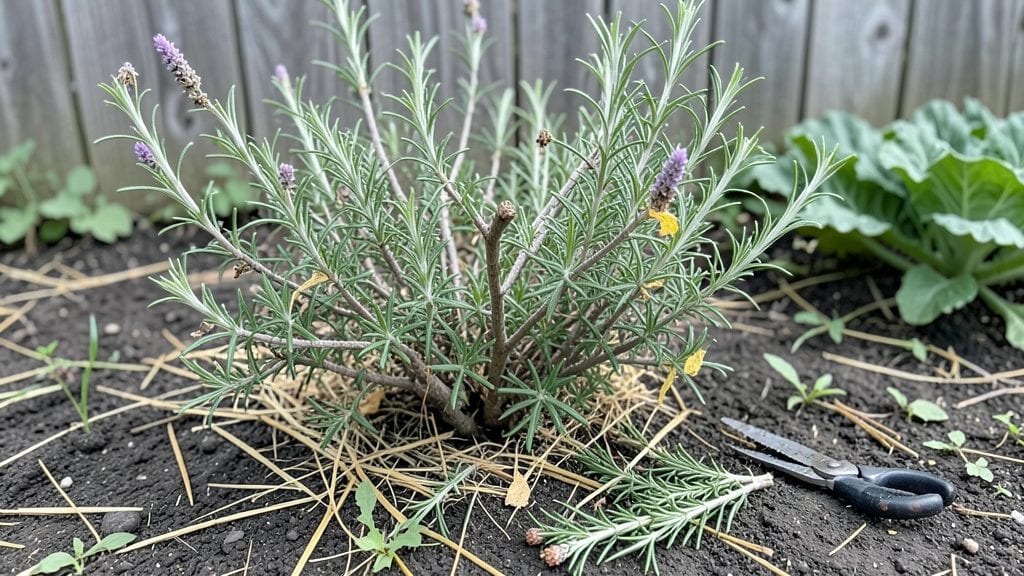
Pruning a plant isn’t just about snipping away—it’s the secret to keeping your garden lush, productive, and disease-free all year long. I’ve learned the hard way that skipping pruning leads to leggy, weak plants that produce half as much.
The right cuts at the right times can transform a struggling shrub into a thriving showstopper, and it’s simpler than you think.
Most people wait until spring, but smart gardeners prune three times a year: a light cleanup in early spring, a mid-season shape-up in summer, and a heavy trim in late winter to prep for growth.
You’ll need just three basic tools—sharp bypass pruners, loppers for thicker branches, and a clean saw for larger limbs—and a clear understanding of what healthy growth looks like. The goal? Encourage airflow, sunlight, and new growth where you want it.
Start by removing dead or crossing branches first—those are easy wins. Then focus on thinning out crowded areas to let light reach the center of the plant.
For flowering shrubs, cut back old wood after blooms fade, and for trees, always make clean cuts just above a bud or branch collar. Within weeks, you’ll see fresh, vibrant growth where the plant starts investing energy in new leaves, flowers, or fruit.
This method works for everything from roses and fruit trees to herbs and vegetables—just adjust the timing based on the plant’s natural cycle. The key is consistency: a little attention now means fewer problems later, and a garden that looks effortless all season long. Ready to grab those shears?
📚 In This Guide
- What you need
- Instructions
- Tips and common mistakes
- Wrapping up and next steps
What you need
- ● Pruning shears: Bypass pruners (for clean cuts on stems up to ½ inch thick) or anvil pruners (for thicker branches, but risk crushing stems). Sharpness is key!
- ● Hand pruners: Ideal for delicate trims on small branches or houseplants (e.g., Felco F-2 or Bypass Pruners).
- ● Loppers: For branches ¾ to 2 inches thick—look for ratcheting loppers for extra leverage.
- ● Pruning saw: A curved-tooth pruning saw for thick branches (2+ inches). Avoid cheap saws—they dull fast!
- ● Gloves: Heavy-duty gardening gloves (e.g., Mechanix Wear) to protect against thorns or rough bark.
- ● Disinfectant: Rubbing alcohol (70%+) or bleach solution (1:9 bleach:water) to sterilize tools between cuts (prevents disease spread!).
- ● Sharpener/file: A pruning saw sharpener or fine-grit file to keep blades in top shape.
- ○ Bucket or bag: A 5-gallon bucket or heavy-duty trash bag for clippings (optional: add a compost bin nearby!).
- ● Extension pole: For hard-to-reach branches (e.g., 3–6 ft telescoping pole with pruner attachment).
- ● Ladder: A stable, non-slip ladder (e.g., aluminum step ladder) for tall plants/trees.
- ● Plant sealant: Pruning sealant (e.g., Tanglefoot Tree Wound Pruning Sealer) for large cuts on trees (controversial—skip if unsure!).
- ● Labeling tags: Plant markers to track pruned sections (great for fruit trees or layered plants).
- ● Safety gear: Safety glasses if dealing with brittle branches or dusty conditions.
- ● ✅ Research your plant: Know its pruning needs (e.g., flowering vs. non-flowering, deciduous vs. evergreen).
- ● ✅ Check the weather: Prune on a dry, cloudy day (avoid midday sun to reduce stress on the plant).
- ● ✅ Gather info: Have a sketch or photo of your plant’s shape goals handy.
- ● ✅ Safety first: Ensure the area is clear of tripping hazards and pets/kids are at a safe distance.
How to prune a plant for year-round health
Pruning isn't just about shaping—it's about reviving growth, preventing disease, and keeping your plants thriving all season long.
Choose the Right Time for Each Trim
Plants need different care at different times, so timing matters more than you might think. For most flowering plants, the best time to prune is right after they finish blooming—this encourages a second flush of flowers later in the season. For evergreens and shrubs, late winter or early spring is ideal, just as new growth begins. If you're dealing with fruit trees, prune in late winter before buds swell, but avoid heavy cuts in fall, as that can invite pests and disease.
Here's the thing—don't prune during extreme heat or cold. You'll stress the plant, and it won't recover quickly. Watch for new growth as your signal: when you see fresh, tender leaves emerging, that's your cue to grab the shears.
Gather Your Tools and Prepare the Plant
Start with clean, sharp pruning shears or loppers—dull tools crush stems and invite infections. Wipe them down with rubbing alcohol before and after use to prevent spreading disease. For larger branches, use a pruning saw, but only if the branch is over ½ inch in diameter. Avoid using hedge trimmers for detailed work; they tear stems instead of making clean cuts.
Before you begin, take a step back and examine the plant. Look for dead, diseased, or crossing branches—these are your first targets. Remove any branches that rub against each other, as they'll create wounds and weaken the plant over time. You'll know a branch is dead if it's brittle, snaps easily, or has no leaves.
Make Clean Cuts for Healthy Regrowth
When you're ready to cut, angle the shears at 45 degrees just above a leaf node or bud. This encourages new growth to sprout from the right spot. If you're pruning a branch thicker than ¼ inch, cut just outside the branch collar—the raised area where the branch meets the trunk. Never leave a stub; it won't heal properly and can rot.
For flowering plants, cut back to just above a set of healthy leaves or buds. You'll see them as small bumps or clusters along the stem. Avoid cutting into old wood, as it won't produce new flowers. If you're shaping a shrub, step back every few cuts to check the balance—you don't want one side looking like it's reached for the sky while the other stays flat.
Thin Out Crowded Areas and Encourage Airflow
Thinning is where pruning gets strategic. Remove about ⅓ of the oldest, thickest branches to improve airflow and light penetration. This reduces humidity in the plant, which cuts down on fungal diseases like powdery mildew. Focus on the center of the plant first—this is where branches often get tangled and block sunlight from reaching the interior.
You'll notice the plant starts to look more open and airy as you work. This isn't just about looks; it's about health. A well-thinned plant recovers faster after pruning and produces stronger new growth. If you're unsure which branches to remove, ask yourself: Does this branch serve a purpose? If it's weak, diseased, or blocking light from others, it's time to say goodbye.
Clean Up and Monitor for Recovery
After pruning, rake up and dispose of all clippings—don't leave them on the ground, as they can harbor pests and diseases. If you're dealing with a diseased plant, bag the clippings and dispose of them in the trash, not the compost. Once you're done, give the plant a light watering to help it recover, especially if you've made heavy cuts.
Watch the plant closely in the days and weeks after pruning. You'll see new growth emerging within 2-4 weeks, depending on the plant and season. If you notice yellowing leaves or wilting, it might be overpruned—just give it time. Most plants bounce back surprisingly well, but if you've removed too much foliage, it may take longer to recover. Trust the process, and your plant will thank you with stronger, healthier growth.
Tips & tricks for perfect plant pruning
Here's what I've learned after years of trial and error with my own garden—these tricks will help you avoid common mistakes and get the best results.
Timing is Everything: The instructions mention pruning flowering plants after blooming, evergreens in late winter, and fruit trees in late winter—but here's the secret: pay attention to the moon phases if you're serious about growth. Pruning during the waxing moon (when the moon is growing) encourages new growth, while pruning during the waning moon (when it's shrinking) helps with root development. It's not a hard rule, but I've noticed a difference in my plants' recovery time when I follow this.
Tool Sharpness Matters: I can't stress this enough—dull shears create jagged cuts that heal poorly and invite disease. Before you start, test your tools by cutting a piece of paper. If it tears instead of cleanly cutting, your shears need sharpening. For larger branches over ½ inch, use a pruning saw—it gives you more leverage and cleaner cuts. I keep a small file in my gardening toolbox to touch up my shears between uses.
The ⅓ Rule for Thinning: When you're removing about ⅓ of the oldest branches in Step 4, focus on the ones that are crossing or rubbing against others first. These are the real culprits that weaken your plant. I like to work from the inside out—start with the center where branches get tangled, then move outward. This creates that beautiful open structure while improving airflow dramatically. Think of it like decluttering a closet—you're making space for better growth.
Recovery Checklist: After pruning, I always do a quick recovery check: first, I remove all clippings and dispose of them properly (especially important if the plant was diseased). Then I give the plant a light watering—this helps it recover faster, especially after heavy cuts. Finally, I mark my calendar to check for new growth in 2-4 weeks. If I don't see any new leaves appearing by then, I know I might have been too aggressive with my cuts.
Pro Tips for Prune A Plant
- Here's what I've learned after years of trial and error with my own garden—these tricks will help you avoid common mistakes and get the best results.
- Pruning during the waxing moon (when the moon is growing) encourages new growth, while pruning during the waning moon (when it's shrinking) helps with root development.
- Tool Sharpness Matters: I can't stress this enough—dull shears create jagged cuts that heal poorly and invite disease.
Frequently asked questions
Got questions about pruning? You’re not alone—even seasoned gardeners need a refresher now and then! Here are answers to the most common pruning puzzles to keep your plants thriving year-round.
When is the best time to prune my plant?
The ideal timing depends on your plant type. Flowering plants (like roses or hydrangeas) should be pruned right after blooming to encourage new growth. Fruit trees (e.g., apples or peaches) need pruning in late winter or early spring before buds swell. For evergreens, light pruning can happen anytime, but avoid heavy cuts in late summer or fall.
How do I know if I’m pruning too much?
Over-pruning can stress your plant—look for more than 1/3 of the foliage removed at once or excessive bare branches. Signs of over-pruning include stunted growth, sparse leaves, or weak stems. If you’re unsure, start conservatively and prune in stages over a few weeks.
Can I prune a plant in winter?
Winter pruning is safe for dormant plants (like deciduous trees or shrubs), but avoid heavy cuts if frost is forecasted. Evergreens and spring-blooming plants (like lilacs) should wait until late winter. Always prune on a dry day to prevent disease—wet wood is an open invitation to fungal infections!
What’s the difference between trimming and pruning?
They’re often used interchangeably, but pruning focuses on removing specific branches for health, shape, or fruit production, while trimming usually means neatening up (e.g., hedge shaping or deadheading flowers). Pruning is strategic; trimming is cosmetic. For best results, combine both!
My plant is bleeding sap after pruning—is this normal?
Yes! Some plants (like maples, birches, or dogwoods) ooze sap when pruned—it’s harmless and won’t hurt the plant. However, if you see dark, oozing sap or fungal growth, sterilize your tools and prune on a dry day to prevent infections. This is especially common in early spring.
Pro Tip:
Still unsure? Snap a photo of your plant’s current state and compare it to pruning guides for your specific species. When in doubt, less is more—you can always prune more later, but you can’t un-prune!
Wrapping up and next steps
Pruning isn’t just about snipping—it’s a lifeline for your plants, ensuring they thrive year-round with just three strategic trims! 🌿 Whether you’re trimming for shape, health, or growth, the key is timing, technique, and confidence.
Now that you’re armed with the right tools, knowledge, and tips, there’s no better time to grab those shears and get to work.
Ready to see the transformation? Start with one plant this weekend—your green thumb (and your garden!) will thank you. Happy pruning! 🌱