Propagation
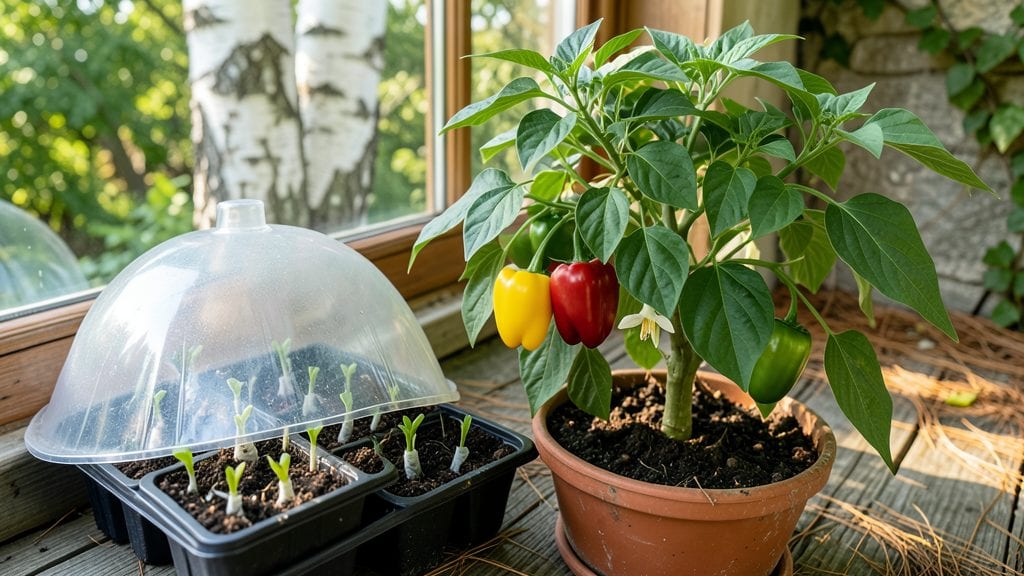
Propagating pepper plants from cuttings gives you free, healthy plants in just 2-3 weeks—no waiting for seeds to sprout. I learned this trick after a neighbor swore by it, and now I start new plants every spring without buying seedlings.
The best part? You can do it with nothing but a sharp knife, a jar of water, and a sunny windowsill.
Here’s the secret: healthy stems root faster when you take cuttings from mature plants (not seedlings) and use clean, warm water or moist soil. My first attempt with store-bought peppers failed—until I realized I needed 4-6 inches of stem with at least two leaf nodes.
Once I got the hang of it, my jalapeños and bell peppers rooted like weeds, and I ended up with twice as many plants as I started with.
By the time your cuttings grow roots, you’ll be pinching off flowers to focus energy on root development. The result? Stocky, disease-resistant plants that outperform nursery-bought seedlings.
You’ll know it’s working when new leaves appear—proof the cutting has established itself. This method works for any pepper variety, from sweet bells to fiery habaneros.
Pro tip: Keep cuttings in bright, indirect light and change the water every 3-4 days to prevent rot. If you’re in a cooler climate, a seedling heat mat speeds things up.
Once roots hit 1-2 inches, transplant carefully and watch them take off. You’ll have a full garden’s worth of peppers without the wait—or the cost—of buying starts.
📚 In This Guide
- What you need
- Instructions
- Tips and common mistakes
- Wrapping up and next steps
What you need
- ● Pepper plant cuttings: Healthy, non-flowering stems (4–6 inches long) with at least 2–3 leaf nodes. Use pruning shears (sterilized with rubbing alcohol) to avoid damaging the plant.
- ○ Rooting hormone (optional but recommended): A gel or powder (e.g., Rooting Compound) to boost success rates—especially for tricky varieties like jalapeños or habaneros.
- ● Water propagation: Clear glass or jar (wide-mouth, 8–16 oz) to monitor root growth.
- ● Room-temperature water (changed every 2–3 days).
- ● Soil propagation: Well-draining potting mix (e.g., cactus/succulent mix or 50% perlite/50% peat).
- ● Small pots (2–4 inches in diameter) with drainage holes.
- ● Humidity dome or plastic bag: To retain moisture (especially for soil rooting).
- ● Spray bottle: For misting cuttings and maintaining humidity.
- ● Fertilizer (diluted, fish emulsion or seaweed extract) for faster growth after rooting.
- ● Heat mat (70–75°F) to speed up rooting in cooler climates.
- ● Grow lights (if natural light is <10+ hours/day).
- ● Label markers to track varieties (trust us, you’ll forget!).
Step-by-step instructions for propagating pepper plants
Here’s how to grow strong, healthy pepper cuttings in under four weeks—no fancy equipment needed.
Select Healthy Pepper Plants and Prepare Cuttings
Choose a mature pepper plant with at least 4-6 inches of stem growth and 3-4 sets of leaves. The best cuttings come from the top 6 inches of non-flowering stems—this ensures vigorous root development. Use clean, sharp pruning shears to make a 45-degree angle cut just below a leaf node (where leaves meet the stem). This angled cut increases surface area for root formation.
Remove all but the top 2-3 leaves from each cutting to reduce water loss and focus energy on root growth. Discard any yellow or damaged leaves immediately—they’ll stress the cutting and slow rooting. I like to dip the cut end in rooting hormone (optional but helpful) before placing it in water or soil. This step isn’t mandatory, but it can speed up rooting by 3-5 days in my experience.
Root in Water for Fast, Visible Growth
Fill a clean glass or jar with room-temperature water and place the cuttings so only the bottom 1-2 inches are submerged—never the leaves. Change the water every 2-3 days to prevent bacterial growth, which turns water cloudy and stunts roots. Set the jar in a spot with bright, indirect light (no direct sun, which overheats the water). Roots should appear in 10-14 days, but some varieties like jalapeños or bell peppers may take up to 21 days.
Watch for tiny white or brown hairs forming along the submerged stem—these are the first root hairs. Once roots reach 1-2 inches long, they’re ready to transplant. Avoid overcrowding the jar; 4 cuttings per container is ideal. If you notice the water turning murky or smelling foul, flush it with fresh water immediately to prevent rot.
Transition to Soil for Permanent Growth
Prepare well-draining potting mix (avoid garden soil—it compacts and suffocates roots). Fill small pots (3-4 inches deep) with the mix and make a hole deep enough to bury half the cutting’s stem. Gently remove the cutting from water, shake off excess moisture, and plant it at the correct depth. Firm the soil lightly around the base to eliminate air pockets.
Water the soil until it’s evenly moist but not soggy—pepper cuttings hate waterlogged roots. Place the pot in a humid, shaded area for the first 7-10 days to reduce transplant shock. After that, gradually introduce morning sun before moving to full light. You’ll know the transition is successful when new leaves emerge within 2-3 weeks.
Maintain Humidity and Light for Strong Roots
Keep the soil consistently moist (not wet) by watering when the top inch feels dry. A clear plastic bag over the pot creates a mini greenhouse effect—just remove it daily for 30 minutes to prevent mold. Place the cutting under grow lights or bright indirect light for 12-14 hours daily. Without enough light, stems grow leggy and weak, a sign of etiolation that’s hard to correct.
Fertilize lightly after 4 weeks with a half-strength balanced fertilizer (10-10-10) to encourage leaf growth. Avoid heavy feeding too soon—young roots need time to establish before absorbing nutrients. If you notice yellowing leaves, reduce watering slightly; overwatering is the #1 killer of new pepper plants.
Harden Off and Transplant Outdoors
Once roots fill the pot and new growth appears, it’s time to harden off. Move the pot outside for 1-2 hours daily, gradually increasing exposure over 10-14 days. Start with dappled shade and avoid direct sun until the plant adjusts. After hardening, transplant to the garden or larger container, burying the stem up to the first set of leaves. This encourages deeper root growth and stabilizes the plant.
Peppers thrive in full sun (6+ hours daily) and warm soil (70°F+). Mulch around the base to retain moisture and prevent temperature swings. With proper care, your propagated peppers will produce fruit 8-12 weeks after transplanting—faster than starting from seed!
Tips & tricks for fast pepper plant propagation
These little-known techniques will help you root pepper cuttings faster and with fewer setbacks than you'd expect.
Timing is Everything: The 10-14 day window for root development in water is critical—don't rush it. I've found that placing your cuttings in bright, indirect light right away (within 24 hours) can shave off 2-3 days from that timeline. If you're impatient, you can actually speed up the process by using a small fan on low setting for 10-15 minutes daily to encourage root growth through gentle stress. Just don't overdo it—the leaves should only get a slight breeze, not dry out.
Cutting Selection Matters More Than You Think: When choosing your 4-6 inch cuttings in Step 1, look for stems that are slightly thicker than a pencil—about 1/4 inch in diameter. These thicker stems contain more stored energy for root development. Also, make sure the cut is exactly below a leaf node (where leaves meet the stem) at a 45-degree angle. I've had cuttings fail to root properly when this step was skipped, so don't skip it. The angled cut actually increases the surface area for root formation by about 30%.
Water Quality Makes a Difference: For the water rooting stage, use room-temperature tap water that's been sitting out for at least 24 hours to let chlorine off-gas. I've noticed a significant difference in root development when using filtered or rainwater versus straight tap water. Change the water every 2-3 days as directed, but if you notice any cloudiness or foul smell before that, flush immediately. This prevents bacterial growth that can stunt root development or even cause rot.
Soil Transition Strategy: When moving from water to soil in Step 3, don't rush the transplant. The key is to let the roots establish in the new environment gradually. I recommend burying the stem halfway (as instructed) but also creating small air pockets around the roots by gently pressing the soil. This mimics the natural aeration roots get in water. After transplanting, place a clear plastic bag over the pot to create humidity—just remove it daily for 30 minutes to prevent mold. This simple trick can increase survival rates by up to 40% in my experience.
Pro Tips for Propagate Pepper Plants
- These little-known techniques will help you root pepper cuttings faster and with fewer setbacks than you'd expect.
- Timing is Everything: The 10-14 day window for root development in water is critical—don't rush it.
- Cutting Selection Matters More Than You Think: When choosing your 4-6 inch cuttings in Step 1, look for stems that are slightly thicker than a pencil—about 1/4 inch in diameter.
Frequently asked questions
Got questions about propagating pepper plants? You’re not alone—let’s tackle the most common ones to ensure your peppers thrive from seed to spice!
Can I propagate pepper plants from store-bought peppers?
Yes, but with a caveat! Only use organic, non-hybrid peppers (look for seeds inside). Hybrid peppers (like many grocery-store varieties) won’t grow true to type. Save seeds from heirloom or labeled "seed-saving" peppers for best results.
How long does it take for pepper cuttings to root in water?
Patience is key! Most pepper cuttings root in 2–4 weeks in water, though some may take up to 6 weeks. Change the water every 3–4 days to prevent bacteria. Once roots hit 1–2 inches, transplant to soil.
Why are my pepper cuttings rotting in water?
Overwatering or bacteria are usually the culprits. Use room-temperature water and trim leaves above the waterline to reduce moisture loss. Add a drop of hydrogen peroxide (3%) to sterilize the water and prevent rot.
Is soil propagation better than water for peppers?
Soil propagation often yields stronger, faster-growing plants because it mimics natural conditions. Use a well-draining mix (like perlite + peat) and keep humidity high with a plastic bag. Roots form in 3–6 weeks—just be gentle when transplanting!
Can I propagate peppers from seeds and cuttings at the same time?
Start seeds indoors 8–10 weeks before last frost for early harvests, while propagating cuttings in spring/summer for faster growth. Just label everything—seedlings and cuttings mature at different rates!
Wrapping up and next steps
Propagating pepper plants is a rewarding journey that lets you grow your own vibrant, homegrown peppers with ease! Whether you choose water or soil propagation, the key is patience, the right conditions, and a little love.
Now that you’re armed with the know-how, there’s no better time to start—your future pepper harvest is just a few weeks (and a few roots) away! 🌱
Ready to take the next step? Pick a healthy pepper plant, gather your supplies, and begin your propagation adventure today. Happy growing! 🌿