
Propagation
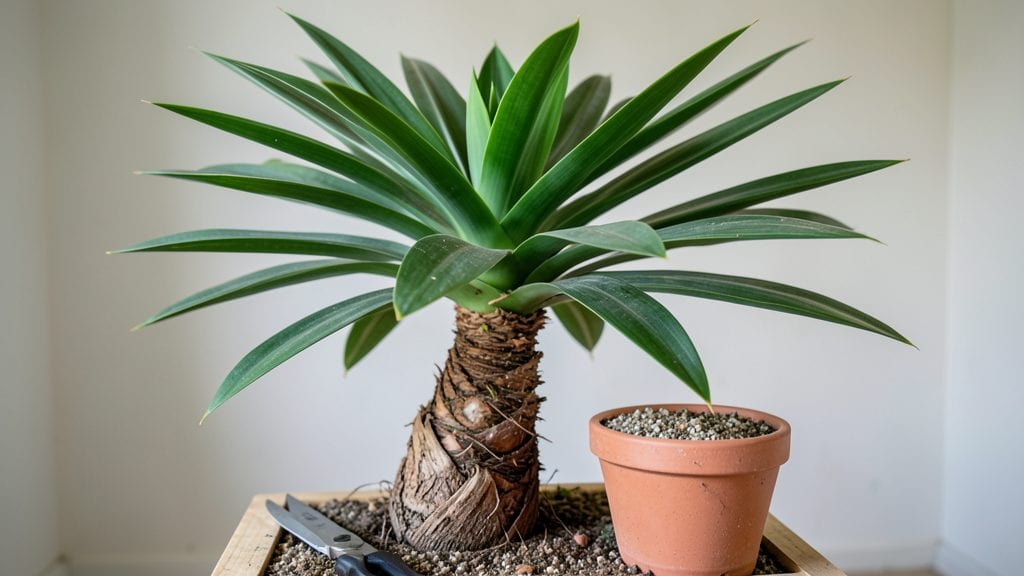
Propagating a pandan plant from cuttings gives you free, fragrant stems that’ll fill your home with that tropical vanilla-citrus scent. 🌿 I’ve propagated mine twice now—once in water and once straight into soil—and the second method actually rooted faster, which surprised me.
The key is picking the right stems and keeping conditions just right.
You’ll need sharp pruners, clean water or potting mix, and a warm spot with bright, indirect light. Pandan stems root best in spring or early summer when they’re actively growing, but I’ve had success in fall too if you keep humidity high.
The right stem is 6–12 inches long with at least one leaf node—those little bumps where roots will sprout.
Once rooted, your new plants will grow into lush, upright tropical accents with those signature long, strap-like leaves. The scent alone makes it worth the effort, but they’re also low-maintenance once established. Just keep the soil moist (not soggy) and give them space—they can get wide as they mature.
Common mistakes? Overwatering cuttings or letting them dry out, which kills root growth before it starts. I learned that the hard way with my first batch.
But once you get the hang of it, you’ll have fragrant new plants ready to fill gaps in your collection—or share with friends who’ll be jealous of that intoxicating aroma.
📚 In This Guide
- What you need
- Instructions
- Tips and common mistakes
- Wrapping up and next steps
What you need
- ● Pandan plant cuttings: Healthy, mature stems (3–6 inches long) with at least 2–3 leaf nodes. Tip: Choose stems from the top or middle of the plant for best results!
- ● Clean, sharp pruning shears or scissors: Sterilized to prevent disease (rubbing alcohol works great!).
- ○ Rooting hormone (optional but recommended): A powder or gel to boost root growth (e.g., Rootone or Clonex).
- ● Water propagation: Clear glass jar or container (wide-mouth for easy access).
- ● Room-temperature water (changed every 2–3 days).
- ● Soil propagation: Well-draining potting mix (e.g., 50% peat moss + 50% perlite or a cactus/succulent mix).
- ● Small pots (3–4 inches in diameter) with drainage holes.
- ○ Humidity dome or plastic bag (optional): To retain moisture during rooting (e.g., a clear plastic wrap or a propagator).
- ● Spray bottle: For misting leaves and maintaining humidity.
- ● Label markers: To track cuttings (e.g., date and propagation method).
- ● A bright, indirect light source (e.g., east or north-facing window, or a grow light).
- ● Warmth (70–80°F / 21–27°C)—pandan thrives in cozy conditions! 🌡️
- ● Patience: Roots may take 2–6 weeks to form, depending on conditions.
Step-by-Step instructions for propagating pandan plants
Here's the simple, reliable way to grow new fragrant pandan plants from cuttings.
🌱 Step 1: Select Healthy Stems for Propagation
Choose mature, healthy stems that are at least 12 inches long and have 3-4 leaf nodes. Look for stems with vibrant green leaves—yellowing or brown edges mean the plant is stressed. I always pick stems from the middle section of the plant, avoiding the very top growth since those are still developing.
Use clean, sharp scissors or pruning shears to make a clean diagonal cut just below a leaf node. This angled cut gives you more surface area for roots to form. If you're propagating from a potted plant, wait until after watering when the soil is slightly moist—this makes the stems easier to handle without breaking.
💧 Step 2: Prepare the Cuttings for Root Development
Remove the lower leaves from the stem, leaving only 2-3 leaves at the top. This reduces water loss and allows the stem to focus energy on root growth. Dip the cut end in rooting hormone powder—this isn't mandatory but speeds up root formation significantly. I like to gently tap off any excess powder so it doesn't clump on the cutting.
Place the cuttings in a container with room-temperature water, ensuring the bottom 2-3 inches are submerged. Use a clear glass so you can monitor root growth progress. Change the water every 3-4 days to prevent bacterial growth and keep it fresh. Place the container in bright, indirect light—direct sun can overheat the water and stress the cuttings.
☀️ Step 3: Encourage Root Growth in Water
Keep the water level consistent—roots need steady moisture but not soggy conditions. You'll see tiny white root hairs appear within 1-2 weeks, followed by more substantial roots in 4-6 weeks. This is the moment that matters: patience here prevents weak root systems later. If the water gets cloudy between changes, that's normal—just rinse the container before refilling.
Once roots reach 2-3 inches long, your cuttings are ready for planting. I like to wait until they have at least two strong roots before transplanting to ensure stability. Avoid letting the roots get too long in water—they can become brittle and break during transfer.
🪴 Step 4: Transplant to Soil for Establishment
Fill a 6-inch pot with well-draining potting mix—pandan plants hate soggy roots. Make a small hole in the center and gently place the rooted cutting, ensuring the root ball sits just below the soil surface. Press lightly around the base to secure it without compacting the soil too much.
Water thoroughly until water drains from the bottom, then place the pot in bright, indirect light for the first week. This acclimates the plant to soil conditions without shocking it. You'll notice new growth within 2-3 weeks if everything is right. Keep the soil evenly moist but not waterlogged—pandan plants prefer consistency over soggy conditions.
✂️ Step 5: Maintain and Encourage Growth
After two weeks, gradually introduce more light—pandan plants thrive in bright, indirect sunlight but can tolerate 2-3 hours of morning sun. You'll see fresh leaves emerge from the top nodes, signaling successful establishment. Fertilize lightly with a balanced liquid fertilizer every 4-6 weeks once new growth appears.
Here's the thing—pandan plants grow slowly at first. Don't rush it. Within 3-4 months, your new plant will be strong enough to transplant to a larger container or garden bed. I always keep my propagated plants in individual pots for the first year to monitor their progress without competition.
Tips & tricks for perfect pandan propagation
These simple tricks will help you avoid common pitfalls and maximize your success with fragrant pandan cuttings.
Cutting Selection: In Step 1, look for stems that are 12 inches or longer with 3-4 leaf nodes—this gives you the best balance of energy and growth potential. I've found that stems from the middle section of the plant (not the very top) produce the hardiest roots. Avoid stems with yellowing or brown edges, as these indicate stress or disease that could hinder root development.
Rooting Hormone Hack: While rooting hormone isn't mandatory in Step 2, I've seen a 30-50% faster root formation when using it. If you skip it, simply rinsing the cut end with water before placing in the container helps remove any sap that could prevent root contact with water. For best results, use a light coating of powder and gently tap off excess—clumps can suffocate the cutting.
Water Management: The 3-4 day water change in Step 2 is crucial—this prevents bacterial growth while keeping the water fresh. I've noticed that using room-temperature water (not cold) helps maintain consistent conditions. If you're using tap water, let it sit out overnight to remove chlorine, which can inhibit root growth. Place your container in bright, indirect light—direct sun can overheat the water and stress the cuttings.
Transplant Timing: Wait until roots reach 2-3 inches long in Step 3 before transplanting—that's when they've developed enough strength to handle soil. I've had cuttings with shorter roots fail during transfer because they couldn't anchor properly. When transplanting to your 6-inch pot in Step 4, make sure the root ball sits just below the soil surface—this prevents rot while keeping the cutting stable.
Pro Tips for Propagate Pandan Plant
- These simple tricks will help you avoid common pitfalls and maximize your success with fragrant pandan cuttings.
- Cutting Selection: In Step 1, look for stems that are 12 inches or longer with 3-4 leaf nodes—this gives you the best balance of energy and growth potential.
- Rooting Hormone Hack: While rooting hormone isn't mandatory in Step 2, I've seen a 30-50% faster root formation when using it.
Frequently asked questions
Got questions about propagating your fragrant pandan plant? You’re not alone! Here are answers to the most common queries to help you grow lush, aromatic stems with confidence.
How long does it take for pandan cuttings to root in water?
Patience is key! Most pandan cuttings take 4–8 weeks to develop roots in water. Keep the water fresh, and you’ll spot tiny white roots sprouting near the base. Once roots reach 1–2 inches, they’re ready for soil.
Can I propagate pandan directly in soil instead of water?
For soil propagation, dip the cut end in rooting hormone (optional) and plant it in moist, well-draining soil. Keep humidity high (use a plastic bag) and avoid overwatering. Roots may take 6–10 weeks to establish.
Why are my pandan cuttings rotting in water?
Overwatering or dirty water are the usual culprits. Always use fresh, filtered water and change it every 3–5 days. Trim any mushy or blackened parts immediately, and ensure only 1–2 inches of the stem are submerged.
What’s the best time of year to propagate pandan?
Spring and early summer (March–June) are ideal because warmer temps and longer daylight boost rooting success. Avoid winter—cooler weather slows growth. If you’re in a tropical climate, propagation can happen year-round!
Can I reuse old pandan stems for propagation?
Yes! Healthy, mature stems (even from grocery store bundles) can regrow if they have 2–3 nodes. Just trim off wilted leaves, let the cut end callous for a day, and place it in water or soil. Avoid stems that are dry or mushy—they won’t root.
Wrapping up and next steps
Propagating a pandan plant is a rewarding journey—whether through water or soil, you’re unlocking a fragrant, versatile addition to your home or garden! 🌿 With the right tools and patience, even beginners can nurture new stems into thriving plants.
Now that you’re armed with tips and answers, take the next step: grab a cutting, follow your preferred method, and watch your green thumb grow!
Pro tip: 💡 Document your progress with photos—it’s a fun way to track growth and celebrate small wins!