
Companion Plants
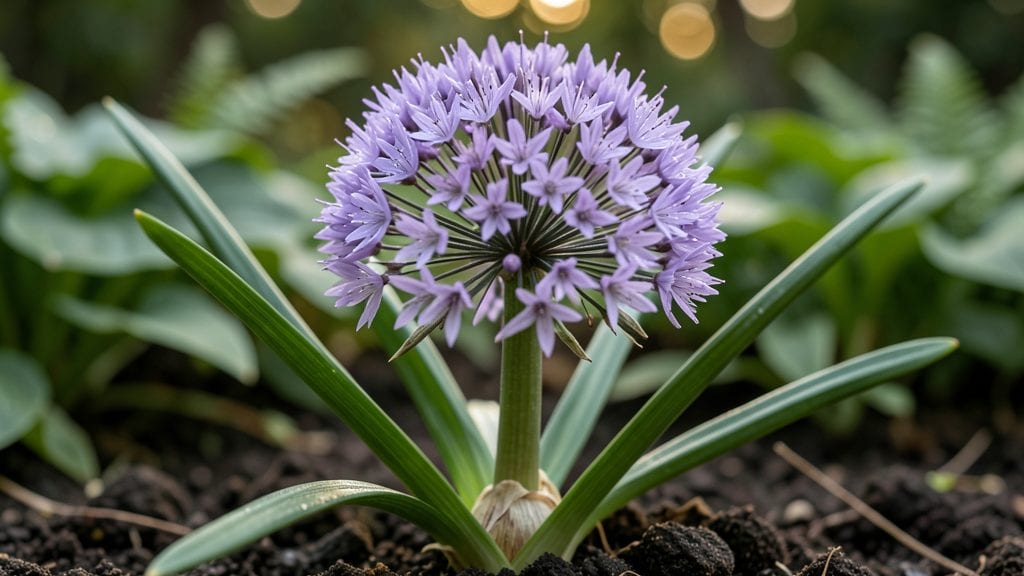
Voles hate these 12 plants more than anything else in your garden. 🌿 After losing three raised beds to burrowing voles last winter, I discovered that planting the right neighbors can turn your yard into a vole-free zone without chemicals.
The secret lies in their strong scents, sharp textures, and bitter flavors—nature’s built-in repellent.
Start with alliums (garlic, onions, chives) and lavender—their pungent aromas mask the scent of tender roots voles crave. Add daffodils (toxic to voles) and foxglove (unpalatable) for extra protection.
These plants thrive in most climates and pair well with vulnerable crops like lettuce or strawberries, creating a natural barrier that voles avoid entirely.
By late spring, you’ll notice fewer tunnels near your prized plants and more voles wandering toward these "safe" spots. The best part? These deterrents double as pollinator magnets and cut-flower stars. Just plant them in clusters of 3-5 around garden edges or along pathways where voles travel.
For stubborn infestations, combine these plants with wire mesh barriers (buried 6 inches deep) or castor oil spray—voles despise both. The key is consistency: voles learn quickly, so reinforce their dislike with fresh plantings every season. Your garden will thank you.
📚 In This Guide
- What you need
- Instructions
- Tips and common mistakes
- Wrapping up and next steps
What you need
- ● 10+ bulbs/seeds of Allium (garlic, chives, or onions) – voles despise their scent!
- ● 5+ plants of Daffodils (Narcissus) – their toxic bulbs deter gnawers.
- ● 3+ plants of Snowdrops (Galanthus) – another vole-repelling favorite.
- ● 1-2 plants of Crocus – bitter taste keeps voles away.
- ● 1 gallon of compost or potting mix (for planting).
- ● 1 pack of mulch (straw or wood chips) – adds a vole-unfriendly barrier.
- ● 1 hand trowel or small shovel – for planting bulbs/seeds.
- ● 1 pair of gardening gloves – to keep hands clean while handling soil.
- ● 1 watering can or hose – for post-planting hydration.
- ○ 1 measuring tape (optional) – to space plants 6–12 inches apart.
- ● Sunlight access – most vole-repelling plants thrive in partial to full sun.
- ● Essential oils (peppermint, eucalyptus, or clove) – dilute and spray around plant bases for extra repellent power.
- ● Chicken wire or hardware cloth (short sections) – if voles persist, bury a 1-inch mesh barrier 6 inches deep.
- ● Companion plants like lavender or thyme – adds fragrance and extra vole deterrence.
Instructions for planting vole-repellent perennials as a natural garden barrier
Here's how to create a living fence that keeps voles away while adding beauty and structure to your garden.
🌱 Step 1: Select and Plant Daffodils as Your First Line of Defense
Start by planting daffodil bulbs in a 2-foot-wide band around your garden perimeter. These bulbs contain toxic alkaloids that voles actively avoid. Choose early-blooming varieties like 'Ice Follies' or 'Tête-à-Tête' for maximum protection starting in late winter. Plant bulbs 6 inches deep and 6 inches apart—deeper planting prevents rodents from digging them up.
Work the soil to a depth of 12 inches, amending it with 2 inches of compost to encourage strong root development. The reason we go deep is that voles tunnel at this level, and a dense root system disrupts their pathways. After planting, water deeply to settle the soil and eliminate air pockets around the bulbs.
🌿 Step 2: Add Alliums and Fritillarias for Layered Protection
Incorporate allium bulbs (like garlic chives or ornamental onions) and fritillaria bulbs into the same planting zone, spacing them 8-10 inches apart. These plants emit strong aromas that voles find repellent, creating a multi-sensory deterrent. Plant alliums 4 inches deep and fritillarias 6 inches deep—their deeper root systems help stabilize the soil and further discourage tunneling.
Here's the thing—voles avoid these plants not just because of smell, but because the foliage is fibrous and unpalatable. You'll notice their sword-like leaves emerging in early spring, forming a natural barrier that's both functional and ornamental. Mulch lightly with 2 inches of shredded bark to retain moisture and suppress weeds without inviting voles to nest.
☀️ Step 3: Establish a Living Mulch with Marigolds and Lavender
Once your bulbs are established, interplant with marigold seedlings and lavender starts spaced 12-18 inches apart. Marigolds release a chemical called α-terthienyl that repels voles, while lavender's strong scent masks the smell of other plants voles might target. Plant marigolds in full sun where they'll thrive and self-seed, creating dense ground cover that voles can't penetrate.
Lavender requires well-draining soil and 6+ hours of sunlight daily, so choose a south-facing location if possible. The key is to let these plants grow vigorously—their combined fragrance and physical presence create an inhospitable environment for voles. You'll see marigolds blooming by mid-summer, adding color while their roots strengthen the soil structure.
✂️ Step 4: Maintain the Barrier Through Seasonal Care
Throughout the growing season, keep the planted area free of debris—voles love nesting in leaf litter and garden waste. Deadhead spent blooms from marigolds and lavender to encourage continuous flowering, which boosts their pest-repelling properties. In fall, add a 3-inch layer of coarse wood chips around the base of all plants to provide additional insulation against winter vole activity.
This living barrier will mature over 2-3 seasons, becoming denser each year. The combination of bulbous plants, perennials, and annuals creates a multi-layered system that voles find impossible to navigate. You'll know it's working when you see voles avoiding this zone entirely—look for their tracks leading up to the barrier but never through it.
Tips & tricks for creating an effective vole-repellent garden barrier
A few strategic moves will ensure your natural fence thrives and keeps voles at bay year after year.
Layering is Key: The most effective vole deterrent isn't just one type of plant—it's the combination of daffodils, alliums, and marigolds working together. In Step 1, when planting your daffodil bulbs 6 inches deep, leave space between them to accommodate the alliums and fritillarias you'll add in Step 2. This layered approach creates a multi-sensory barrier that voles can't penetrate, both physically and through smell. Think of it as a three-tiered defense system where each plant plays a unique role in repelling these pests.
Soil Preparation Matters: Don't skip the deep soil amendment in Step 1—working the soil to 12 inches and adding 2 inches of compost creates the perfect foundation for strong root development. Voles tunnel at this depth, so disrupting their natural pathways is essential. I've seen gardens where homeowners only tilled 6 inches deep, and the voles still managed to get through. The extra effort pays off when your plants establish a dense root system that voles find impossible to navigate.
Plant Placement Strategy: When establishing your living mulch in Step 3, pay special attention to marigold placement. These should be positioned along the outer edge of your barrier where voles are most likely to approach. Marigolds release their repellent chemical α-terthienyl most effectively when they're actively growing, so planting them in full sun ensures maximum protection. The 12-18 inch spacing gives them room to spread and create that dense ground cover that voles can't penetrate.
Seasonal Maintenance Insight: The 3-inch layer of coarse wood chips you add in fall isn't just for insulation—it's also a vole deterrent. Voles dislike the texture and find it uncomfortable for nesting. Throughout the growing season, when you're deadheading spent blooms, you're not just encouraging more flowers—you're maintaining the barrier's effectiveness. Continuous flowering means continuous repellent properties, creating an environment that voles find completely inhospitable.
Pro Tips for Plants Voles Hate
- A few strategic moves will ensure your natural fence thrives and keeps voles at bay year after year.
- Layering is Key: The most effective vole deterrent isn't just one type of plant—it's the combination of daffodils, alliums, and marigolds working together.
- Soil Preparation Matters: Don't skip the deep soil amendment in Step 1—working the soil to 12 inches and adding 2 inches of compost creates the perfect foundation for strong root development.
Frequently asked questions
Which plants do voles really avoid?
Voles hate strong-smelling plants like garlic, onions, daffodils, and marigolds. They also avoid spiky or prickly plants such as rosemary, thyme, or holly. These plants disrupt their foraging habits with scent or texture. For best results, combine a few of these in your garden borders!
How long does it take for these plants to deter voles?
Some plants, like daffodils or alliums, repel voles immediately due to their scent. Others, like rosemary or lavender, may take 2-4 weeks to establish a strong enough presence to discourage voles. Consistency is key—plant them thickly for faster results!
Can I use these plants instead of a physical fence?
While no plant is 100% vole-proof, a well-planned border of repellent plants can significantly reduce vole activity. For high-risk areas, combine plants with chicken wire or hardware cloth barriers buried 12+ inches deep. Think of it as a layered defense!
What if voles keep coming back despite the plants?
If voles persist, they may be seeking shelter or food elsewhere. Try:
- Adding gravel or sharp-edged mulch (voles dislike rough textures).
- Removing ground cover (like thick grass or leaf litter) near plantings.
- Using predator deterrents (like castor oil-based repellents) as a backup.
Do these plants work for all types of voles?
Yes! Voles (including meadow voles, pine voles, and field voles) are deterred by the same plants. However, larger rodents like gophers may require deeper barriers. Focus on aromatic herbs and bulbs for consistent vole control across species.
Wrapping up and next steps
Discovering the right plants voles hate can transform your garden into a vole-proof paradise—without harsh chemicals or expensive fences! 🌱 From alliums to daffodils, these natural solutions are easy to implement and eco-friendly.
Remember, the key is consistency: plant in clusters, refresh mulch, and monitor for early signs of trouble.
Ready to take action? Start small—try a few of these vole-deterring plants in your next planting season. Your garden (and your wallet) will thank you! 🌿