
Companion Plants
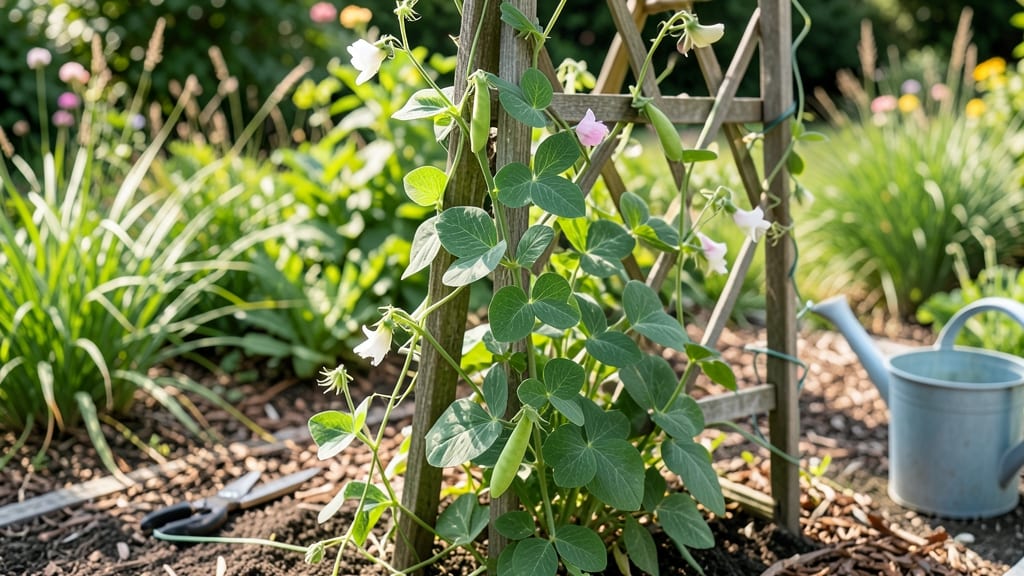
Plants can speak by releasing chemical signals through their leaves, roots, and even flowers to warn neighbors of threats like insect attacks or drought, creating an underground communication network called the 'wood-wide web.'
This hidden language of plants isn't just fascinating—it's a survival strategy that shapes entire ecosystems.
When one plant detects danger, like hungry caterpillars munching on its leaves, it releases volatile organic compounds (VOCs) that travel through the air or soil to alert nearby plants. 🌱 These chemical messages can even trigger defensive responses in plants that haven't been attacked yet, like producing bitter toxins or tougher leaves.
The most dramatic example? Aspen trees sharing nutrients through a shared fungal network, proving that plant communication goes far beyond simple warnings.
The 'wood-wide web' isn't just a poetic name—it's a real phenomenon where trees and plants connect through underground fungal threads, creating a living internet of sorts.
This system helps entire forests recover from damage, redistribute nutrients, and even coordinate growth patterns. 🌿 What's even more surprising is that these signals aren't limited to plants of the same species—some can communicate across different plant families, creating a complex web of cooperation in nature's hidden language.
💡 In This Article
- How Plant Chemical Signals Work
- Practical Ways to Encourage Plant Communication
How plant chemical signals work
Here's what's actually happening when plants "speak": they release specialized molecules called volatile organic compounds (VOCs) through tiny pores in their leaves called stomata. When a plant detects damage—like a caterpillar chewing its leaves—it emits VOCs like methyl jasmonate or green leaf volatiles (GLVs) that travel through the air.
These compounds act like smoke signals, carrying information about the threat to neighboring plants within minutes. Some VOCs can even travel up to 10 feet through the air, creating a rapid warning system.
The science gets even more fascinating with root exudates—chemicals released from roots into the soil. When a plant experiences drought or herbivore attack, it secretes compounds like strigolactones or salicylic acid that travel through the soil.
These molecules can trigger defensive responses in nearby plants, such as producing toxic compounds or hardening cell walls. What's remarkable is that these signals aren't just local—they can travel through symbiotic fungal networks (like mycorrhizal threads) to connect plants across entire ecosystems, creating what scientists call the "wood-wide web." 🌱
Plants detect these stress signals through specialized receptors on their surfaces. For example, when tobacco plants smell VOCs from damaged neighbors, their genes activate within 30 minutes to produce protective proteins.
This rapid response shows how finely tuned plant communication is—it's not just random chemical release, but a highly coordinated survival strategy. The key factor is that these signals are species-specific in some cases, while others create broad alerts that benefit entire plant communities.
Symbiotic fungi play a crucial role in long-distance signaling. Fungi like Arbuscular mycorrhizae form vast underground networks that connect root systems, allowing plants to share nutrients and warnings.
When one tree in a forest is attacked by beetles, it can send signals through these fungal threads to warn other trees—even those of different species—about the impending threat. This fungal internet helps entire forests coordinate their defenses, proving that plant communication is both chemical and ecological in nature.
What most people don't realize is that these signals can even influence plant growth patterns. For example, when a plant detects competition from neighbors, it might release chemicals that suppress nearby seedlings' growth, giving itself a competitive advantage.
This shows how plant communication isn't just about survival—it's also about strategy and resource management in crowded ecosystems. The precision of these chemical messages reveals nature's hidden complexity. 💫
Consider this: when you plant a garden, you're unknowingly creating opportunities for these chemical conversations. The right plant combinations can enhance these natural signals, creating a more resilient and cooperative plant community.
Understanding how these signals work helps gardeners make smarter choices about plant placement and care, turning your backyard into a thriving network of plant communication.