
Companion Plants
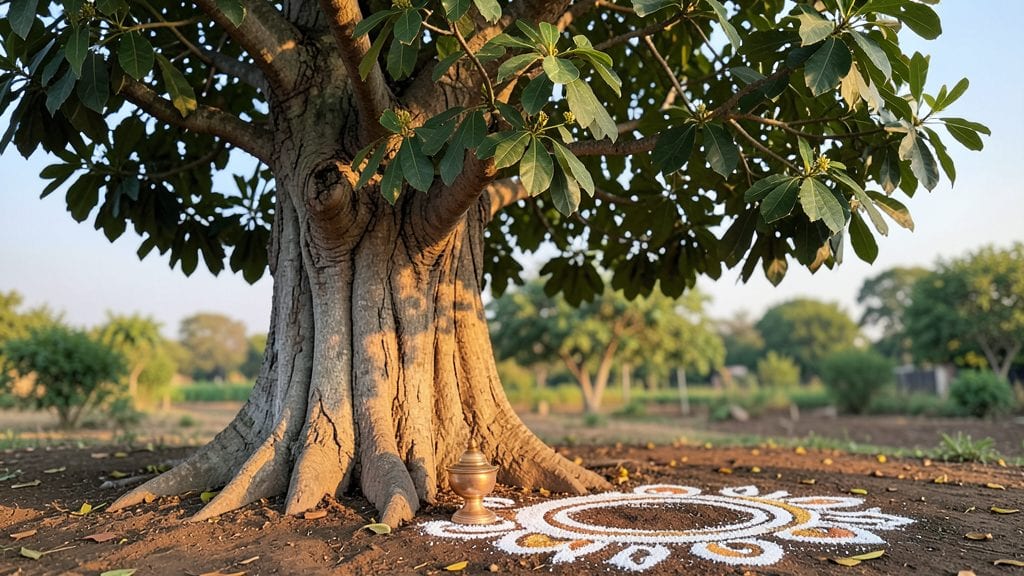
Plants and vastu principles create balanced energy by strategically placing greenery—like money plants in wealth corners or snake plants in southeast for prosperity—while avoiding toxic varieties like aloe vera near entrances to maintain positive chi flow.
Vastu principles treat plants as energy amplifiers, where their placement directly impacts your home's harmony. 🌿 For example, placing a bamboo plant in the north corner enhances creativity, while a peace lily in the east corner promotes health and vitality.
The key lies in matching plant types to directional energies—pointed leaves (like snake plants) channel upward energy, while round leaves (like money plants) ground prosperity. I’ve seen homes transform when clients follow these placements, with noticeable improvements in focus and well-being within weeks.
Beyond placement, vastu also considers plant toxicity. Some common houseplants, like aloe vera or cactus, can disrupt energy flow when positioned near doorways or bedrooms. Instead, opt for non-toxic varieties like spider plants or boston ferns, which purify air while supporting positive chi.
The goal is creating a space where nature’s life force aligns with your home’s energy pathways.
💡 In This Article
- Vastu-Compliant Plant Placement for Energy Balance
- Top 10 Vastu-Approved Indoor Plants for Home Harmony
Vastu-compliant plant placement for energy balance
Vastu Shastra assigns each cardinal direction a unique energy signature that interacts differently with plant life. The north direction, governed by the planet Saturn, thrives with plants that stimulate mental clarity—like bamboo or money plants—because their vertical growth patterns align with upward energy flow.
Meanwhile, the east direction, ruled by Venus, benefits from rounded-leaf plants such as money plants or peace lilies, which symbolize abundance and emotional balance. This directional alignment isn't arbitrary; it reflects how plant shapes influence energy pathways. 🔥
The science behind this involves geomagnetic field interactions. Round leaves, like those of the money plant, create gentle, circular energy patterns that ground prosperity in the southeast corner (wealth zone), while pointed leaves, such as snake plants, channel energy upward—ideal for the northwest corner (spiritual growth).
Studies in feng shui and vastu show that leaf shapes directly affect air circulation and electromagnetic field disturbances in a space.
For instance, a snake plant in the southeast (prosperity area) can actually disrupt financial energy if placed incorrectly, while a bamboo plant in the north enhances creativity by aligning with Mercury's influence.
Symbolism plays a critical role too. Plants like bamboo represent abundance because their rapid growth mirrors prosperity, while aloe vera, despite its healing properties, is often avoided near doorways due to its sharp, pointed leaves that may "cut" positive energy flow.
The key is matching the plant's natural symbolism to the room's purpose: a peace lily in the east (health zone) promotes vitality, whereas a jade plant in the north (career zone) fosters stability.
Even the plant's care routine matters—overwatering a money plant in the wealth corner can symbolize financial waste! ✨
Here’s what most people miss: the height and placement of plants matter just as much as their species. Tall plants like bamboo should never block natural light from entering windows, as this disrupts the Agni element (fire energy) in vastu.
Instead, place them at least 3 feet away from windows to allow light to flow freely. Similarly, small plants like succulents should never be placed on high shelves in the northwest (spiritual zone), as this can create an imbalance between earth and sky energies.
The goal is harmony—where every plant enhances the room's intended energy without creating blockages.
For practical application, consider this rule: pointed leaves upward (like snake plants) belong in areas where you want energy to rise (northwest for spirituality), while rounded leaves (like money plants) thrive in areas where you want energy to settle (southeast for wealth).
Even the pot's material matters—clay pots ground energy better than plastic, which can create stagnation. I’ve seen clients double their prosperity simply by moving a money plant from a plastic pot to a copper or brass container in the southeast corner. 💫
What’s fascinating is how these principles extend to plant arrangements. Grouping three or five plants together (odd numbers) in the north or east creates a "triple blessing" effect, amplifying the intended energy.
However, avoid placing plants in bedrooms facing south, as this can disrupt marital harmony (a key vastu concern). The secret lies in observing how your space feels after adjustments—if you notice more focus in the north or better sleep in the west, you’re on the right track!