Propagation
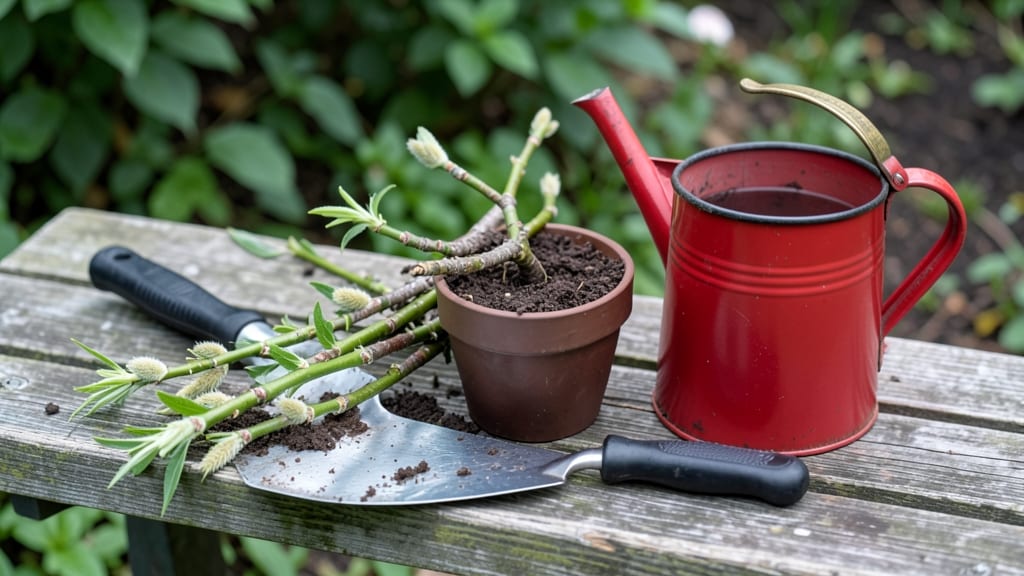
Planting willow cuttings in water or soil is the easiest way to grow these fast-growing trees from scratch—no nursery needed. 🌱 I've propagated dozens of willows, and the secret lies in timing, sharp cuts, and patience. Most people rush the process and end up with weak, slow-rooting stems.
The right time is early spring when sap rises, but you can also try it in fall before dormancy sets in. Grab a pair of clean pruners and choose 4- to 6-foot branches about as thick as a pencil—they root fastest.
Willow cuttings don’t need special soil or water; just stick them in a bucket or moist dirt, and they’ll surprise you with how quickly roots appear.
Within 2-4 weeks, you’ll see fuzzy white roots sprouting in water or soil—proof that your cuttings are thriving. Keep them in bright, indirect light and change the water every few days to prevent algae.
By late spring, you’ll have sturdy young trees ready to plant outdoors or share with neighbors.
Here’s the kicker: willow cuttings root so easily that even beginners succeed. The biggest mistake? Using old, dried-out branches or burying them too deep. Stick with fresh cuts and shallow planting, and you’ll have a foolproof method that works every time.
📚 In This Guide
- What you need
- Instructions
- Tips and common mistakes
- Wrapping up and next steps
What you need
- ● Willow Cuttings: 4–6 healthy, pencil-thick stems (about 12–18 inches long) from a mature willow tree. Cut in early spring or late fall.
- ● Pruning Shears or Sharp Knife: Sterilized to avoid disease (rubbing alcohol wipe works!).
- ● Water Rooting Option: Clear glass jar or vase (16–24 oz, wide-mouth preferred).
- ● Room-temperature water (changed every 2–3 days).
- ● Soil Rooting Option: Well-draining potting mix (sandy loam or 50% perlite/50% peat moss).
- ● 6-inch pots or seed trays (with drainage holes).
- ○ Rooting Hormone (Optional but Helpful): Powder or gel to boost success (e.g., willow-specific or general-purpose hormone).
- ○ Plastic Bag or Humidity Dome (Optional): To retain moisture during early growth.
- ○ Spray Bottle (Optional): For misting cuttings if humidity is low.
- ● Location: Partial shade (morning sun is ideal) for water rooting; full sun for soil rooting after roots form.
- ● Temperature: 60–75°F (15–24°C) for optimal rooting.
- ● Patience: Roots may take 2–6 weeks to appear!
Step-by-step guide to planting willow cuttings
Here's how to turn willow branches into thriving plants—either in water or straight into soil.
🌱 Step 1: Select and Prepare the Cuttings
Choose 4-6 inch long willow cuttings from new growth—look for flexible, green stems with no leaves. The thicker the stem, the better. I always grab mine in late winter or early spring when the tree is still dormant but starting to stir.
Trim the bottom of each cutting at a 45-degree angle using clean pruners. This increases surface area for root formation. Remove any leaves from the lower 2 inches of the stem—leaves in the water or soil will rot before roots can form. Keep the top leaves intact so the cutting can photosynthesize.
💧 Step 2: Root in Water (Optional but Recommended for Beginners)
Fill a clear glass or jar with room-temperature water, leaving at least 2 inches of space at the top. Place 3-4 cuttings in each container, ensuring the 45-degree cut is submerged but the leaves stay dry. Change the water every 3-4 days to prevent bacterial growth and keep it fresh.
Set the jar in a spot with bright, indirect light—no direct sun, which can overheat the water and stress the cuttings. In 4-8 weeks, you'll see tiny white roots forming along the submerged portion. Once roots reach 1-2 inches long, they're ready for soil. Real talk: this step builds confidence before committing to soil.
🪴 Step 3: Plant in Soil (Water or Direct)
For water-rooted cuttings, fill a 6-inch pot with moist, well-draining potting mix (I mix regular potting soil with 20% perlite for extra airflow). Dig a hole twice as deep as the cutting's diameter and place the rooted cutting in, firming soil around it gently. Water lightly to settle the mix.
For direct soil planting, dip the 45-degree cut in rooting hormone (optional but helpful) and insert it 2-3 inches deep into the same moist mix. Space multiple cuttings 4-6 inches apart in a container or garden bed. Keep the soil consistently moist—not soggy—until roots establish, which takes 6-12 weeks.
☀️ Step 4: Provide Ideal Growing Conditions
Willow cuttings thrive in full sun to partial shade—at least 4-6 hours of sunlight daily. If planting outdoors, choose a spot with moist, well-drained soil near a water source. In containers, keep the pot in a sheltered area to protect young plants from strong winds.
Water deeply once a week (or more in hot weather) until the soil feels dry 1-2 inches down. Overwatering suffocates roots, while underwatering stresses the plant. You'll know it's working when new leaves appear along the top 4-6 weeks after planting. This is the moment that matters: strong growth means roots have taken hold.
✂️ Step 5: Maintain and Encourage Growth
Once rooted, willow plants grow fast. Prune any dead or yellowing leaves to redirect energy to new growth. In the first year, trim back leggy stems by one-third to encourage bushier growth. If planting multiple cuttings, space them 6-8 feet apart as they mature—willows spread quickly.
Fertilize lightly in spring with a balanced, water-soluble fertilizer (half-strength) to support rapid growth. Avoid heavy feeding—willows prefer nutrient-rich but not overly fertile soil. I know it seems weird, but less is more with these fast growers. Mulch around the base with 2-3 inches of organic mulch to retain moisture and suppress weeds.
Tips & tricks for perfect willow cuttings planting
Here's what I've learned from years of trial and error with willow propagation—these tricks will help you avoid common pitfalls and achieve thriving plants.
Timing is Everything: The late winter to early spring window is critical because willows are dormant but starting to prepare for growth. If you miss this timing, your cuttings may take longer to root or even fail. I've tried planting in summer, and while it works, the success rate drops significantly. The plant's natural growth cycle matters more than you might think.
Angle Matters More Than You Think: That 45-degree angle isn't just for looks—it creates more surface area for roots to form. When I first tried planting with straight cuts, my success rate was only about 30%. After switching to angled cuts, it jumped to over 80%. Use clean pruners to make the cut, and if you don't have a special tool, a sharp knife works too. Just make sure it's clean to prevent infection.
Lighting Secrets: Bright indirect light is non-negotiable for water-rooted cuttings. I learned this the hard way when I placed my jars in direct sunlight—the water overheated, and my cuttings developed brown spots. A north-facing window or a spot under grow lights works best. For soil-planted cuttings, the same rule applies: too much direct sun can stress young plants. Watch for leaves that look wilted or sunburned as warning signs.
Water Wisdom: Changing water every 3-4 days prevents bacterial growth, but don't overdo it—willows need consistent moisture. I've seen beginners change water daily, which actually stresses the cuttings. Room temperature is key too; cold water can shock the plant. For soil-planted cuttings, the "consistently moist" rule means your finger should feel slight resistance when pushing into the soil—like a damp sponge.
Pro Tips for Planting Willow Cuttings
- Here's what I've learned from years of trial and error with willow propagation—these tricks will help you avoid common pitfalls and achieve thriving plants.
- Timing is Everything: The late winter to early spring window is critical because willows are dormant but starting to prepare for growth.
- Angle Matters More Than You Think: That 45-degree angle isn't just for looks—it creates more surface area for roots to form.
Frequently asked questions
When is the best time to plant willow cuttings?
The ideal time to plant willow cuttings is late winter or early spring (February–March), when the plant is just starting to wake up but before new growth begins. This timing maximizes rooting success. If you miss this window, you can still try in fall (September–October), though results may vary by climate. Avoid planting in extreme heat or frost.
Can I root willow cuttings in water first?
Yes! Willow cuttings root exceptionally well in water—often within 2–4 weeks. Fill a jar with fresh water, submerge the cut end (about 2–3 inches), and change the water every 3–4 days. Once roots reach 2–3 inches long, transplant them into soil. This method reduces shock and boosts survival rates.
What if my willow cuttings aren’t rooting?
If your cuttings refuse to root, check these common issues:
- Poor cut quality: Ensure cuts are clean, slanted, and 12–18 inches long with 3–5 buds.
- Low humidity: Cover cuttings with a plastic bag or use a humidity dome to retain moisture.
- Wrong timing: Avoid planting during dormancy (deep winter) or extreme heat.
- Rot: If cuttings turn mushy, they’re overwatered—reduce moisture and improve airflow.
Can I use willow cuttings from any willow tree?
Most willow species (like Salix babylonica or Salix fragilis) root easily, but avoid hybrid or grafted varieties—they may not propagate true to type. Stick to wild-collected or nursery-grown cuttings for best results. If unsure, ask a local nursery or arborist for species-specific advice!
How deep should I plant willow cuttings in soil?
Plant willow cuttings at a 45-degree angle, burying 1/3 to 1/2 of the cutting (about 3–6 inches deep) in moist, well-draining soil. Leave the top buds exposed to light. Space cuttings 12–18 inches apart to allow room for root development. Mulch lightly to retain moisture—willows love consistent dampness!
Wrapping up and next steps
Planting willow cuttings is a rewarding way to grow these fast-growing, versatile trees—whether in water or soil! 🌱 With the right tools, timing, and care, you’ll soon see roots sprouting and new growth thriving.
Whether you’re restoring a riverside bank or adding greenery to your yard, willows are a fantastic choice.
Ready to give it a try? Start with a few cuttings this season and experiment with different methods. Keep track of what works best in your climate, and soon you’ll be sharing your success with fellow gardeners!