
Transplanting
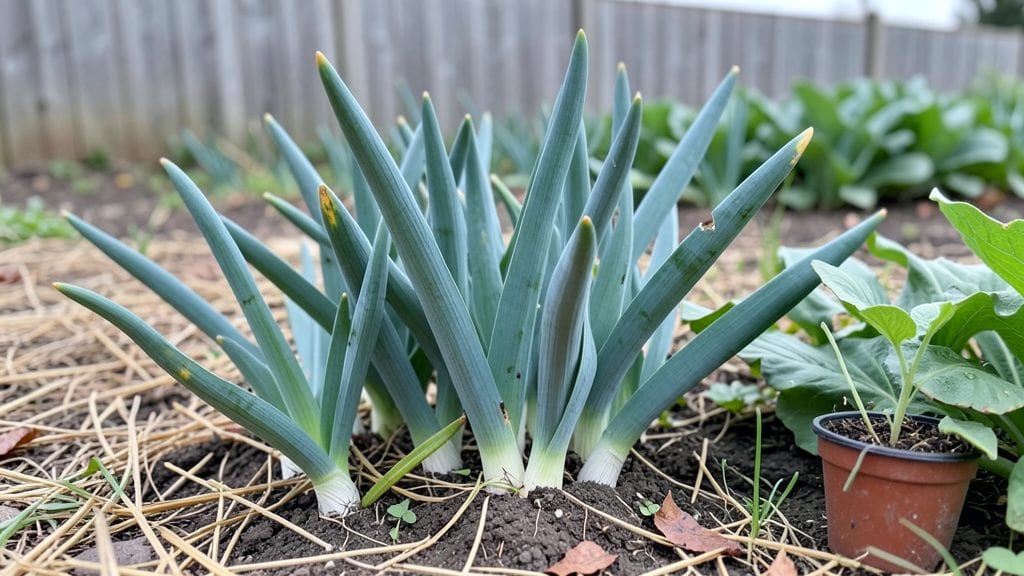
Planting wild leeks transforms shady corners into a year-round pantry—no fancy soil needed. I’ve watched these hardy perennials push through frost and thrive where nothing else grows, their mild onion flavor popping up reliably for decades.
The key? Mimicking their native forest floor with just a little shade and moisture.
You’ll need 3 simple supplies: wild leek divisions (or seeds, though they’re slower), a shovel, and a spot with 60-80% shade—think dappled light under trees or along north-facing walls.
The soil doesn’t need amending; wild leeks tolerate rocky, sandy, or even slightly acidic ground. Plant in early spring or fall, when soil is workable but not soggy.
Dig holes twice as wide as the root ball but only 1-2 inches deep—wild leeks hate being buried too deep. Space divisions 6-12 inches apart for a dense patch, or 18 inches if you want bigger leaves.
Water lightly after planting, then let nature take over. Within 2-3 weeks, you’ll spot the first feathery shoots—proof you’ve just started a self-sustaining harvest.
Here’s the best part: once established, wild leeks spread without maintenance, popping up where they please. Harvest leaves anytime, leaving at least half the plant to keep growing.
In temperate climates, they’ll reward you with fresh greens from spring through fall, and sometimes even winter. Ready to turn your shady spots into a low-effort, high-reward garden?
📚 In This Guide
- What you need
- Instructions
- Tips and common mistakes
- Wrapping up and next steps
What you need
- ● Wild leek seeds or bulbs: Purchase from a reputable supplier (e.g., Allium tricoccum seeds or small bulbs). Aim for 5–10 plants per 10 sq ft for a lush patch.
- ● Well-draining soil: Wild leeks thrive in moist, slightly acidic soil (pH 6.0–7.0). If your soil is heavy clay, amend with 1–2 inches of compost or leaf mold.
- ● Partial to full shade: Choose a spot with dappled sunlight (4–6 hours/day)—they hate direct afternoon sun!
- ● Watering can or hose: Keep soil consistently moist but not soggy during the first growing season.
- ○ Mulch (optional but helpful): Use 2–3 inches of shredded leaves or wood chips to retain moisture and suppress weeds.
- ● Garden trowel or transplanting spade: For digging small holes (depth: 1–2 inches for seeds, 3–4 inches for bulbs).
- ● Gloves (recommended): Wild leeks can irritate skin—nitrile gloves are best for handling.
- ● Measuring tape or ruler: Space bulbs/seeds 6–8 inches apart to prevent overcrowding.
- ○ Pruners (optional): For trimming mature foliage after harvest to encourage regrowth.
- ● Best planting time: Seeds: Early spring (March–April) or fall (September–October) for best germination.
- ● Bulbs/transplants: Early spring (as soon as soil is workable) or late summer (August) for fall harvest.
- ● Patience: Seeds take 2–3 years to mature; bulbs/transplants yield in 1–2 years.
- ● Avoid harvesting for 1–2 years: Let plants establish roots first for a perennial harvest!
Step-by-Step instructions for planting wild leeks
Wild leeks thrive with almost no fuss—here’s how to establish them for a reliable harvest.
Identify and Collect Healthy Wild Leek Seedlings
Wild leeks (Allium tricoccum) spread naturally through bulbils and seed pods, but for faster results, dig up small plants from wild patches in early spring or fall. Look for clusters with 3-5 leaves and no signs of yellowing or pest damage. I always collect from areas where the soil is moist but well-drained—this ensures the plants I transplant will adapt easily.
Handle the roots gently to avoid breaking them. If you’re starting from seed, collect mature seed pods in late summer when they turn brown. Store them in a cool, dry place until planting. The key is patience—wild leeks grow slowly, so give them time to establish before expecting harvests.
Prepare the Planting Site with Minimal Soil Work
Wild leeks tolerate poor soil but grow best in partial shade with moist, slightly acidic soil (pH 5.0–6.5). Choose a spot with dappled sunlight—they’ll thrive under trees or along forest edges. Avoid compacted or waterlogged areas. If your soil is heavy clay, mix in 2–3 inches of compost from the ingredients list to improve drainage without overworking the earth.
I avoid tilling—wild leeks prefer undisturbed soil. Instead, loosen the top 4–6 inches with a broadfork or garden fork, just enough to create pockets for the roots. If planting in fall, aim for 4–6 weeks before frost to let roots establish before winter. For spring planting, wait until soil temperatures reach 45°F to prevent rot.
Plant Seedlings or Seeds at the Right Depth
For seedlings, dig holes twice as deep as the root ball and space them 6–12 inches apart in rows 18 inches apart. Wild leeks spread slowly, so wider spacing prevents overcrowding. Gently place each plant in the hole, then firm the soil around the base—don’t compact it. Water lightly to settle the roots without displacing them.
If planting seeds, scatter them on the soil surface (they need light to germinate) and cover with no more than ¼ inch of soil. Keep the area moist but not soggy—wild leek seeds can take 2–3 weeks to sprout. I’ve found that planting in early fall often yields better germination rates, as cooler temperatures reduce fungal risks.
Water and Mulch for Consistent Moisture
Water deeply once a week after planting, aiming for 1 inch of water per week. Wild leeks dislike drought but also hate soggy roots, so prioritize well-draining soil. After watering, apply 2–3 inches of mulch (like the shredded leaves from the ingredients list) to retain moisture and suppress weeds. This mimics their natural forest habitat.
I avoid synthetic fertilizers—wild leeks grow best in nutrient-poor conditions. If your soil is extremely depleted, a light application of compost tea in early spring can help without overstimulating growth. Watch for signs of stress: yellowing leaves often mean too much water, while crispy edges signal drought.
Maintain and Harvest Over Multiple Seasons
Wild leeks are perennial, meaning they’ll return year after year with minimal care. In early spring, before leaves emerge, you can carefully dig up small bulbs (about 1–2 inches deep) for immediate use. Leave at least half the clump to regrow—this ensures future harvests. Never remove entire plants, as they spread slowly and rely on established roots.
By late summer, the leaves will yellow and die back naturally. This is normal—wild leeks store energy in their bulbs for next year’s growth. In fall, add a thin layer of mulch (like the shredded leaves) to protect the crown from freezing. With proper care, a single planting can provide harvests for 5–10 years.
Tips & tricks for planting wild leeks
Wild leeks demand patience but reward you with years of harvests—here’s how to maximize their success from the start.
Timing is Everything: In Step 2, when preparing your site, pay close attention to the 45°F soil temperature guideline for spring planting. Use a soil thermometer to confirm—cold soil can cause rot, while warmer soil speeds up root establishment. I’ve found that waiting until morning when dew is still present often means the soil has reached that perfect temperature. This small check prevents weeks of frustration with poor germination.
Seedling Selection Matters: During Step 1, when choosing wild leek seedlings, prioritize those with firm, white roots and no signs of brown or mushy areas. The 3-5 leaf rule is a good starting point, but also look for plants where the leaves are a deep green—not pale or yellowing. I’ve learned the hard way that stressed seedlings rarely establish well, even in ideal conditions. Transplant on a cloudy day to reduce shock from direct sunlight.
Mulching Strategy: The 2-3 inches of mulch mentioned in Step 4 serves multiple purposes beyond moisture retention. In late fall, I double that amount to 4-5 inches for winter protection, especially in colder climates. This thick layer acts as insulation against freeze-thaw cycles that can heave roots. For spring plantings, use a lighter mulch layer to allow soil to warm more quickly once temperatures rise.
Harvesting Wisdom: When harvesting in Step 5, never dig deeper than 2 inches for bulbs—this preserves the plant’s ability to regrow. I use a small trowel to carefully lift just the outer bulbs, leaving the center intact. Mark harvested areas with small flags or pebbles so you don’t accidentally dig them up again. This method ensures your wild leeks continue producing for decades rather than just a single season.
Pro Tips for Planting Wild Leeks
- Wild leeks demand patience but reward you with years of harvests—here’s how to maximize their success from the start.
- Timing is Everything: In Step 2, when preparing your site, pay close attention to the 45°F soil temperature guideline for spring planting.
- Seedling Selection Matters: During Step 1, when choosing wild leek seedlings, prioritize those with firm, white roots and no signs of brown or mushy areas.
Frequently asked questions
Got questions about planting wild leeks? You’re not alone!
Here are answers to the most common queries to help you grow this hardy, edible perennial with confidence.
When is the best time to plant wild leeks?
Plant wild leeks in early spring (as soon as the soil is workable) or early fall (4–6 weeks before the first frost). They thrive in cooler weather and establish roots quickly. Avoid planting in extreme heat—transplants stress easily! For year-round harvests, stagger plantings in spring and fall.
Do wild leeks need full sun?
Nope! Wild leeks tolerate partial shade (3–6 hours of sunlight daily) beautifully, making them ideal for under trees or in wooded edges. In hot climates, they’ll appreciate afternoon shade to prevent bolting. Just ensure they get enough light to grow lush, flavorful bulbs and leaves.
What can I plant with wild leeks to avoid pests?
Companion planting helps! Try garlic, chives, or onions to deter pests like deer and slugs. Dill, parsley, or borage also attract beneficial insects that keep harmful bugs away. Avoid planting near asparagus—they compete for nutrients and space.
How long does it take for wild leeks to mature?
With patience, wild leeks mature in 2–3 years, but you can harvest small greens and bulbs as early as 6–8 weeks after planting. For the best flavor and size, wait until the second year. They’re perennial, so once established, they’ll regrow yearly!
What if my wild leeks bolt or flower?
Bolting (sending up a flower stalk) usually happens due to heat stress, drought, or over-maturity. To prevent it, keep soil moist and mulch heavily. If they bolt, harvest the leaves and bulbs before seeds form—they’re still edible! For next year, plant in cooler microclimates or use shade cloth.
Wrapping up and next steps
Planting wild leeks is a rewarding way to enjoy a nutrient-rich, low-maintenance harvest with minimal soil fuss! Whether you're a seasoned gardener or a beginner, their hardy nature makes them perfect for year-round foraging or garden enrichment. 🌱
Ready to dive in? Start small—try a patch in your garden or a shady corner of your yard—and watch these resilient perennials thrive. Once established, they’ll spread effortlessly, giving you fresh, wild-harvested greens with almost no upkeep. Happy planting! 🌿
Next step: Grab your tools, mark your spot, and get those wild leeks in the ground—your future meals (and wildlife friends!) will thank you.