
Trees
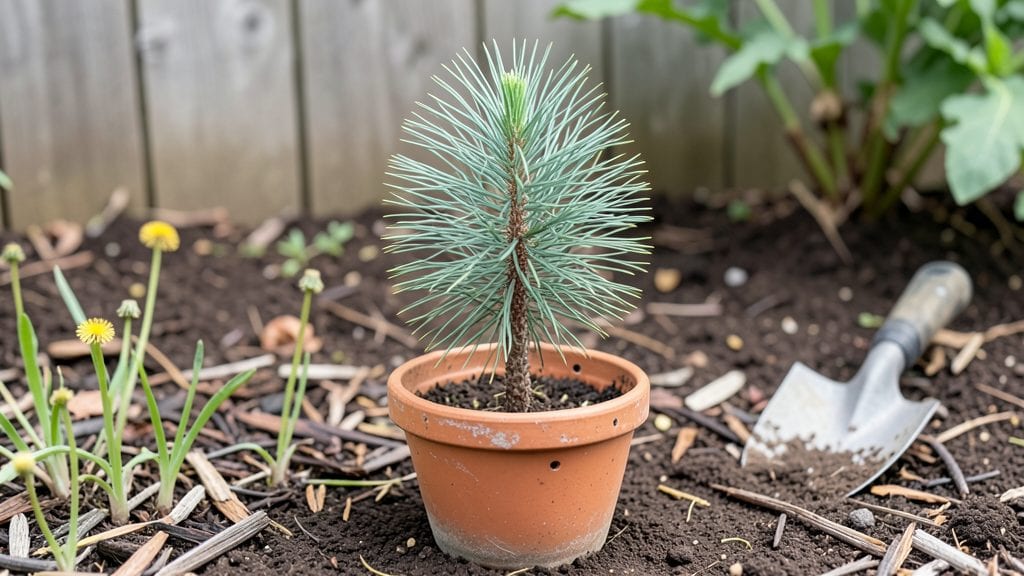
Planting redwood trees in your yard isn't just about adding shade—it's about creating a living monument that will tower over future generations. 🌟 I planted my first redwood five years ago, and what started as a 2-foot sapling now stands over 20 feet tall, its rich green needles rustling in coastal winds.
The key isn't just digging a hole—it's mimicking the damp, acidic conditions of their native California forests right in your own soil.
Redwoods need three things more than anything: moisture, space, and patience. You'll want a spot with afternoon shade if you're inland, or full sun if you're near the coast where humidity keeps roots cool.
The planting hole should be twice as wide as the root ball but no deeper—redwood roots hate sitting in soggy soil. Amend the native dirt with peat moss or compost to replicate their forest floor home, and mulch heavily to lock in moisture.
Watering is where most people go wrong. These giants need deep, infrequent watering—think 10-15 gallons per week for the first year, then tapering off as the tree establishes. You'll know it's thriving when new growth appears in spring, and the bark develops those signature red streaks.
The first few years are critical; after that, your redwood will grow 3-5 feet per year with minimal care beyond occasional pruning.
Here's the secret no one tells you: redwoods hate competition. Keep grass and weeds at least 5 feet away from the base, and avoid planting anything else nearby—they'll outcompete everything else in your yard.
With the right spot and consistent care, you'll have a 100-foot-tall coastal giant in your lifetime, casting shade for generations. Let's get that shovel in the ground!
📚 In This Guide
- What you need
- Instructions
- Tips and common mistakes
- Wrapping up and next steps
What you need
- ● Redwood Tree Seedlings: 1-3 bare-root or container-grown seedlings (choose Sequoia sempervirens for true coastal redwoods). Opt for 3-5 ft tall saplings for faster establishment.
- ● Shovel or Digger: A round-point shovel (18-24 inches wide) for digging holes or a post-hole digger for larger roots.
- ● Garden Gloves: Heavy-duty, waterproof gloves to protect your hands from soil and roots.
- ● Measuring Tape: To ensure proper spacing (redwoods need 30-50 ft apart for mature growth).
- ● Compost or Mulch: 2-3 cubic yards of well-aged compost or wood chips (avoid cedar mulch—it’s toxic!).
- ● Watering Can or Hose: A soaker hose or drip irrigation system for deep, consistent watering.
- ○ Staking Supplies (Optional): 2-3 bamboo stakes (6-8 ft tall).
- ● Soft tree tie straps (avoid wire—it can damage bark).
- ● Pruning Shears: Sharp, sterilized shears for trimming damaged branches post-planting.
- ○ Soil Test Kit (Optional): To check pH (redwoods thrive in acidic to neutral soil (pH 5.5-7.0)).
- ○ Fertilizer (Optional): A balanced, slow-release fertilizer (10-10-10 ratio) or organic options like fish emulsion.
- ● Sunlight: Redwoods need full sun to partial shade (6+ hours of sunlight daily).
- ● Soil Type: Well-draining, sandy or loamy soil with high organic content. Amend heavy clay with compost.
- ● Water Access: A reliable water source for the first 2-3 years (redwoods have deep roots!).
- ● Space: Minimum 30 ft clearance from structures, power lines, or other trees.
- ● Climate: Coastal redwoods thrive in USDA Zones 7-10 with mild winters and high humidity.
Step-by-Step instructions for planting redwood trees
Here’s how to plant redwoods with confidence—these giants need the right start to thrive.
🌱 Step 1: Choose the Perfect Location and Dig the Hole
Redwoods demand space and moisture—pick a spot with at least 20 feet of clearance in all directions and morning sun or dappled shade. Their roots spread wide, so avoid planting near sidewalks or foundations. Dig a hole twice as wide as the root ball but only as deep as the container the tree came in. Loosen the sides of the hole with a shovel to prevent root circling.
Test your soil’s drainage by filling the hole with water and waiting for it to drain completely. If it takes more than 4-6 hours, amend the soil with 2-3 inches of compost mixed into the bottom of the hole. Redwoods hate soggy roots but need consistent moisture—this balance is key.
🪴 Step 2: Prepare the Tree and Plant with Care
Remove the tree from its container and gently loosen the roots at the edges with your fingers—this encourages them to spread into the new soil. Place the tree in the hole so the top of the root ball sits 1-2 inches below ground level. Redwoods grow tall fast, and burying the base slightly prevents the trunk from rotting as it matures.
Backfill the hole with native soil, tamping it down lightly every 6 inches to remove air pockets. Water the tree deeply to settle the soil around the roots. Avoid compacting too hard—you want the soil to stay loose for root growth. If you planted all 4 trees, space them 15-20 feet apart to give them room to grow.
💧 Step 3: Water Deeply and Mulch for Retention
Water the newly planted redwoods every 2-3 days for the first month, giving each tree 5 gallons of water per session. Check soil moisture by sticking your finger 2 inches deep—if it feels dry, water again. Overwatering is just as harmful as underwatering, so let the top inch dry out between waterings once established.
Spread a 3-inch layer of wood chips or bark mulch around the base, keeping it 6 inches away from the trunk to prevent rot. Mulch locks in moisture and regulates soil temperature, which redwoods love. Replenish mulch annually to maintain its protective layer.
☀️ Step 4: Protect and Monitor for First-Year Growth
Young redwoods are sensitive to wind and sunburn. For the first year, shield them from harsh afternoon sun with a lightweight shade cloth or nearby taller plants. Stake the trees only if necessary—redwoods grow sturdy roots quickly, and unnecessary support can restrict trunk development.
Watch for new growth in 4-6 weeks. Healthy redwoods will show bright green, flexible needles and steady upward growth. If you notice yellowing or wilting, adjust your watering—either too much or too little will stress the tree. Fertilize lightly in early spring with a balanced, slow-release fertilizer to support early growth.
⏰ Step 5: Prune and Maintain for Long-Term Health
Redwoods rarely need pruning, but remove any dead or crossing branches in early spring with clean, sharp pruners. Focus on maintaining an open center to allow air circulation—this prevents fungal diseases that thrive in dense foliage. Avoid heavy pruning, as redwoods grow best when left to develop their natural shape.
After the first year, reduce watering to once a week during dry spells, increasing to every 2-3 days in summer heat. Redwoods are drought-tolerant once established, but young trees need consistent moisture. By year three, your redwoods will be self-sufficient, reaching 1-2 feet of growth annually with proper care.
Tips & tricks for planting redwood trees
Planting redwoods isn't rocket science, but these simple tricks will help you avoid common pitfalls and set your coastal giants up for success.
Soil Drainage Test: That 4-6 hour drainage test in Step 1 is your best friend. If water drains too quickly, your redwoods will dry out—mix in some peat moss to hold moisture. If water pools, you've got a drainage problem that needs fixing before planting. I've seen too many redwoods fail because of soggy roots, so don't skip this step!
Root Loosening Technique: When loosening roots in Step 2, be gentle but thorough. Use your fingers to tease apart any tightly bound roots—this encourages them to spread outward instead of circling in the hole. If you're planting bare-root trees, soak the roots in water for 1-2 hours before planting to prevent drying.
Mulch Placement Matters: That 3-inch mulch layer in Step 3 should stay 6 inches away from the trunk to prevent rot. Use wood chips or bark mulch—it breaks down slowly and improves soil structure over time. Optional: Add a 1-inch layer of coarse sand between the mulch and soil to improve drainage if your area gets heavy rains.
First-Year Growth Check: Those 4-6 weeks in Step 4 are crucial for spotting problems early. Bright green, flexible needles mean your tree is happy. Yellowing or crispy needles? Check your watering schedule—redwoods need consistent moisture but hate soggy feet. A simple soil moisture test with your finger will save you headaches later.
Pro Tips for Planting Redwood Trees
- Planting redwoods isn't rocket science, but these simple tricks will help you avoid common pitfalls and set your coastal giants up for success.
- Soil Drainage Test: That 4-6 hour drainage test in Step 1 is your best friend.
- Root Loosening Technique: When loosening roots in Step 2, be gentle but thorough.
Frequently asked questions
Got questions about growing these majestic giants? Here are some of the most common concerns—and answers—to help you get started with confidence!
How long does it take for redwood trees to grow to maturity?
Redwoods are patient giants! Coastal redwoods (Sequoia sempervirens) grow about 3–5 feet per year when young, but slow to 1–2 feet annually as they mature. It takes 50–100 years to reach 100 feet—so plan for a long-term investment! Dwarf varieties like Sequoia sempervirens 'Pendula' grow faster but stay smaller.
What’s the best time of year to plant redwood trees?
Plant in early spring or fall when temperatures are mild (50–70°F). Avoid summer heatwaves or winter frosts, which stress young roots. Bare-root seedlings can be planted year-round in coastal climates, but container-grown trees thrive best in cool, damp conditions.
How much water do redwood trees need after planting?
Keep soil consistently moist for the first 1–2 years—water deeply 2–3 times per week (or daily in hot/dry spells). Once established, redwoods tolerate drought but prefer well-draining, acidic soil (pH 5.0–7.0). Mulch heavily to retain moisture and protect roots.
Can I grow redwood trees in containers or small yards?
Yes! Dwarf varieties like 'Golden Dawn' or 'Pendula' thrive in large containers (15+ gallons) with regular pruning. For small yards, plant 3–5 feet from structures—redwoods have shallow roots but spread widely. Avoid planting near sidewalks or driveways due to their eventual size.
What pests or diseases should I watch for?
Redwoods are tough but can face aphids, spider mites, or root rot in poor drainage. Treat pests with neem oil or insecticidal soap. Fungal issues (like needle blight) thrive in wet conditions—improve airflow and avoid overhead watering. No serious diseases affect healthy redwoods!
Do redwoods need full sun, or can they handle shade?
They prefer partial shade to full sun (6+ hours of light daily). In hot climates, morning sun + afternoon shade prevents stress. Young trees benefit from dappled sunlight (e.g., under taller trees) until established. Avoid deep shade—they’ll grow leggy and weak!
Wrapping up and next steps
Planting redwood trees is a rewarding way to bring coastal giants to your yard—whether for shade, beauty, or even future timber! 🌲 These majestic trees thrive with the right care, soil, and patience.
By following the steps and tips shared, you’ll set them up for decades of growth and lush greenery.
Ready to take the next step? Start by selecting the perfect spot in your yard, gather your supplies, and begin planting—your future redwood forest awaits! 🌱