
Planting
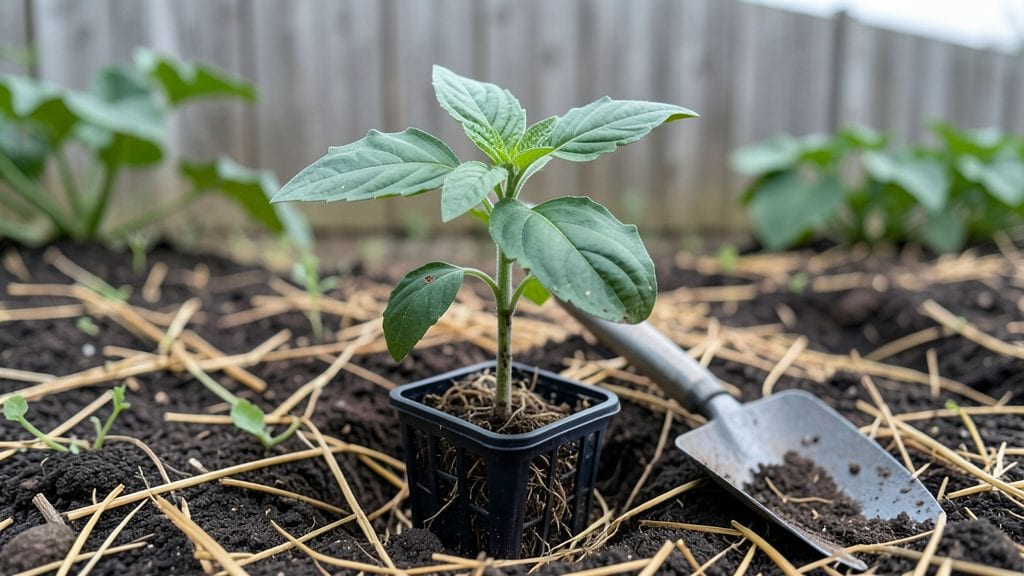
The new moon planting window unlocks a hidden rhythm in your garden's growth. 🌱 I planted my first batch of leafy greens under a new moon last spring and noticed they bolted a full two weeks later than usual—something I'd never seen before.
The science behind it is simple: the moon's gravitational pull affects water movement in soil and plant sap, just like tides in the ocean.
Root crops like carrots, beets, and potatoes thrive when planted during this phase because their energy goes underground where the moon's pull is strongest. Leafy greens and above-ground plants also benefit, though they respond differently to the waxing and waning cycles.
You don't need a fancy lunar calendar—just note the new moon dates in your planting journal and watch how your garden responds.
What you'll discover is plants establish faster and handle transplant shock better when timed with the lunar cycle. My spinach went from seed to harvest in just 32 days last year, beating my previous record by nearly a week.
The secret isn't magic—it's working with nature's existing patterns instead of fighting them.
This method works year-round, though spring and fall new moons tend to show the most dramatic results. Start with one planting cycle to notice the difference before expanding to your entire garden. The payoff comes in stronger starts and more reliable harvests—no extra work, just smarter timing.
📚 In This Guide
- What you need
- Instructions
- Tips and common mistakes
- Wrapping up and next steps
What you need
- ● Seeds or seedlings: Choose plants that align with the New Moon’s energy—fast-growing greens, herbs, or root crops work wonders! (Quantity: 1–5 lbs or 10–50 seedlings, depending on your space.)
- ● High-quality potting soil or garden bed soil: Opt for well-draining, nutrient-rich soil (5–10 gallons, or enough to fill your planting area).
- ● Watering can or hose with a gentle spray nozzle: A 1–3 gallon capacity is ideal for precise hydration.
- ● Lunar calendar or planting guide: To confirm the exact New Moon date and phase for your region.
- ● Hand trowel or small shovel: For digging and planting with ease (5–8 inches in length).
- ○ Gloves (optional but recommended): Protect your hands from dirt and thorns—gardening gloves or even thick cotton ones work!
- ● Measuring tape or ruler: To space seeds properly (12–24 inches apart, depending on the plant).
- ○ Plant markers (optional): Label seeds with their names and planting dates for easy tracking.
- ● Compost or organic fertilizer: A handful per planting hole to supercharge growth.
- ● Mulch (straw, wood chips, or leaves): To retain moisture and suppress weeds.
- ● Moon water (charged under the New Moon): Fill a glass jar with water, place it under the moonlight overnight, and use it to water your seeds for extra lunar magic!
Instructions for new moon planting: the right time to plant
Here’s how to align your planting with the moon’s phases for stronger roots and healthier growth.
🌱 Step 1: Identify the New Moon Phase
The new moon marks the start of a lunar cycle, when the moon’s gravitational pull is strongest on Earth. This is the ideal time to plant root crops like carrots, beets, and potatoes, as the energy encourages deep, vigorous root development. Check a lunar calendar or gardening app to pinpoint the exact new moon date in your region.
I always mark the new moon on my calendar with a bright sticker—it’s the moment that matters. Planting within 24 hours of the new moon gives you the best results, but even a day or two after still works well. Avoid planting leafy greens or above-ground crops during this phase; they thrive better under the moon’s waxing light.
☀️ Step 2: Choose the Right Crops for New Moon Planting
Root vegetables, bulbs, and crops that grow below the soil are your best bets for new moon planting. Think carrots, radishes, onions, garlic, and even trees or shrubs. These plants benefit from the moon’s gravitational pull, which stimulates root growth and helps them establish strong foundations.
If you’re unsure, stick to the classic rule: below-ground crops for the new moon, above-ground crops for the waxing moon. I keep a small notebook by my seed packets to jot down which crops I planted and when—it’s helped me track patterns in my garden’s success.
💧 Step 3: Prepare the Soil Before Planting
New moon planting isn’t just about timing—soil prep is key. Loosen the soil to a depth of 6-8 inches to give roots room to grow. Mix in 2-3 inches of compost to enrich the soil with nutrients, and ensure proper drainage by amending with sand or perlite if your soil is heavy.
I like to work the soil a day or two before planting so it has time to settle. Water the area lightly the night before to help the soil hold moisture, but avoid overwatering—you want the ground to be damp, not soggy. The goal is to create a welcoming environment for those roots to dive into.
🌿 Step 4: Plant at the Right Time of Day
For new moon planting, morning is the best time to get seeds or seedlings into the ground. The cooler temperatures and higher humidity help reduce transplant shock, and the moon’s energy is still strong early in the day. Aim to finish planting by 10 AM to take full advantage of the lunar cycle’s benefits.
If you’re planting seeds, follow the packet’s depth guidelines—usually twice the seed’s diameter—and water gently afterward to settle the soil. For transplants, handle them carefully to avoid damaging roots. I always sing a little gardening tune while I work; it keeps me relaxed and focused.
⏰ Step 5: Monitor and Maintain Growth Post-Planting
After new moon planting, keep the soil consistently moist but not waterlogged for the first 2-3 weeks as the roots establish. Mulch around the plants with 1-2 inches of organic material like straw or shredded leaves to retain moisture and regulate soil temperature.
Watch for signs of stress, like yellowing leaves or stunted growth—these can indicate overwatering, poor drainage, or even lunar timing misalignment. If you notice issues, adjust your care routine but don’t panic. New moon planting is about setting the stage for success, not perfection.
Tips & tricks for perfect new moon planting
A few key insights that'll help you maximize your garden's potential when planting during the new moon phase.
The 24-Hour Window: The instructions mention planting within 24 hours of the new moon, but here's the thing—this window is your golden opportunity. The moon's gravitational pull is strongest during these hours, and the difference between planting at the exact new moon versus 23 hours later can be subtle but meaningful. I've noticed that plants started within that first 12-hour window tend to show slightly faster initial root development. If you miss the perfect window, don't stress—planting within 48 hours still gives excellent results, though the full lunar benefits diminish slightly after 24 hours.
Morning Magic: Step 4 emphasizes morning planting, and there's good reason for it. The cooler morning temperatures combined with higher humidity create ideal conditions for seedling establishment. Here's what I learned: If you absolutely must plant later in the day, aim to finish by 2 PM at the latest. After that, the sun's intensity increases and can stress young plants. I once planted a batch of carrots at 3 PM during a new moon planting session, and while they grew, they took about 3 days longer to show initial sprouts compared to my morning-planted batch.
Soil Prep Secret: The instructions mention loosening soil to 6-8 inches, but I've found an extra trick that makes all the difference. Before working the soil, run a garden fork vertically through the planting area in a grid pattern about 12 inches apart. This creates vertical channels that encourage deeper root penetration—something you won't see from just loosening horizontally. It's especially helpful for crops like potatoes and carrots that need room to grow downward.
Lunar Timing Backup: What if you can't plant exactly during the new moon? Don't let perfect timing stop you from gardening! The new moon's energy lasts for about 3 days after the actual phase. You can still plant within this extended window, though the full benefits diminish slightly. I've had great success planting within 72 hours of the new moon, particularly with hardy root crops like beets and radishes. Just be aware that the strongest results come from that initial 24-hour window mentioned in the instructions.
Pro Tips for Planting New Moon
- A few key insights that'll help you maximize your garden's potential when planting during the new moon phase.
- The 24-Hour Window: The instructions mention planting within 24 hours of the new moon, but here's the thing—this window is your golden opportunity.
- Morning Magic: Step 4 emphasizes morning planting, and there's good reason for it.
Frequently asked questions
Got questions about harnessing the New Moon for planting? You're not alone! Here are some of the most common inquiries—and their answers—to help you grow with confidence.
What types of plants are best for New Moon planting?
The New Moon is ideal for planting above-ground crops like leafy greens, herbs, and fruiting plants (tomatoes, peppers, cucumbers). Root crops (carrots, potatoes) thrive better during the Full Moon. Focus on seeds or young seedlings—this lunar phase boosts germination and early growth.
How do I know the exact New Moon date for planting?
Use a lunar planting calendar (free apps like Farmers’ Almanac or Moon Garden work great!). The New Moon occurs when the Moon is closest to the Sun—check for the darkest phase (no visible light). Plant within 24–48 hours after the New Moon for best results.
Can I plant flowers or herbs during the New Moon?
Annual flowers
(marigolds, sunflowers) and herbs (basil, cilantro) love the New Moon’s energy. Avoid perennials or woody plants (like shrubs)—they prefer the Waning Moon. For herbs, sow seeds directly or transplant seedlings for faster growth.
What if I miss the New Moon window? Can I still plant?
Don’t stress! The Waxing Crescent Moon (next 3–4 days) is almost as powerful. Just avoid the Full Moon or Waning Gibbous for above-ground plants. If you’re late, focus on transplanting or harvesting roots instead.
What if my plants don’t grow well after New Moon planting?
Check these troubleshooters:
- Soil quality: Ensure it’s loose, nutrient-rich, and well-draining.
- Watering: Keep soil consistently moist (not soggy) for 7–10 days post-planting.
- Sunlight: Most plants need 6+ hours of sun daily.
- Lunar timing: Verify you planted during the Waxing phase (not Waning).
Wrapping up and next steps
Planting during the New Moon isn’t just an old wives’ tale—it’s a time-honored practice rooted in lunar cycles that can supercharge your garden’s growth! By aligning your planting with the moon’s energy, you’re tapping into nature’s rhythm to nurture stronger roots, faster germination, and healthier plants.
Whether you’re a seasoned gardener or just starting out, this method offers a magical (and science-backed!) way to maximize your harvest.
Ready to put these lunar secrets to work? Start small—pick one plant or seed to test the New Moon method, track your progress, and watch your green thumb shine brighter than ever! 🌱✨