Pruning
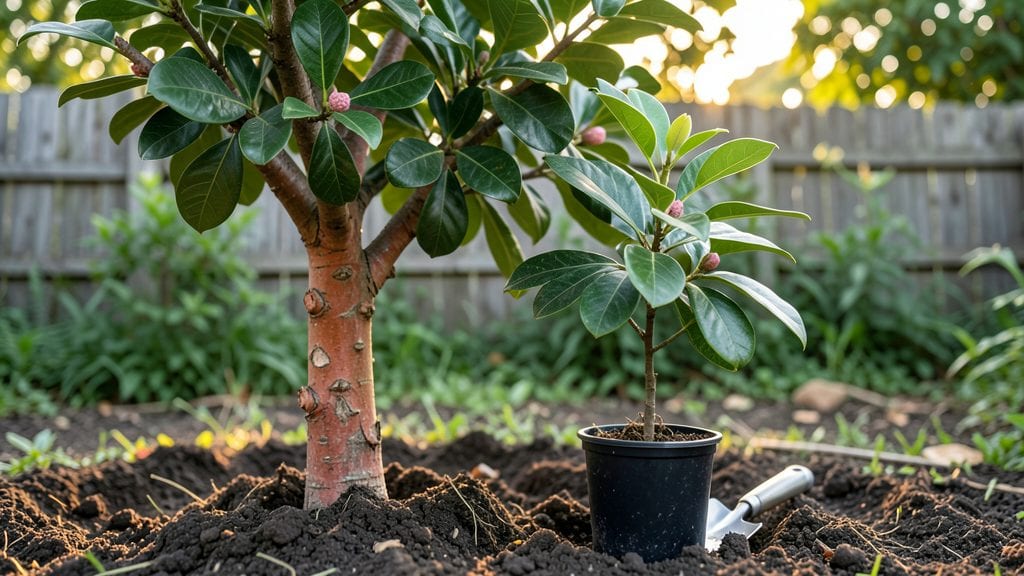
Planting a lychee tree might sound like a tropical fantasy, but I’ve grown them in my zone 10 backyard—and they’re easier than you’d think. 🌱 The key is mimicking their natural habitat: rich, well-draining soil, warm temperatures, and patience.
My first tree took two years to bear fruit, but now I’m harvesting sweeter lychees than any grocery store could offer.
You’ll need a 5-gallon container or a hole twice as wide as the root ball, plus a mix of compost and sand to improve drainage. Lychees thrive in full sun, so pick a spot where they’ll get at least 6-8 hours of direct light daily.
Overwatering is the biggest mistake—these trees prefer their soil slightly dry between waterings once established.
By the end of the first year, you’ll see lush, glossy leaves and maybe even a few flowers. With proper care, your tree could start producing fruit in 3-5 years, though some varieties are faster.
The real reward? That first taste of fresh, juicy lychee straight from your own backyard.
Works just as well in containers for patios or small yards, though they’ll need occasional repotting as they grow. Let’s get that tree planted—your future lychee harvest starts now!
📚 In This Guide
- What you need
- Instructions
- Tips and common mistakes
- Wrapping up and next steps
What you need
- ● Lychee Tree Sapling: 1 healthy, disease-free sapling (preferably grafted for better fruit quality)
- ● Size: 1–3 feet tall (younger trees adapt faster)
- ● Well-Draining Soil: 50% tropical or sandy loam soil
- ● 50% organic matter (compost or coconut coir)
- ● Planting Hole: 2–3 times wider than the root ball
- ● Depth: Equal to the root ball’s height
- ● Tools: 1 trowel or spade
- ● 1 watering can (or hose with gentle spray)
- ○ 1 pair of gardening gloves (optional but recommended)
- ● Fertilizer: Balanced fertilizer (10-10-10 or 8-3-9 ratio)
- ● Slow-release granules (1 cup per tree at planting)
- ● Mulch: 2–3 inches of organic mulch (straw, wood chips, or pine bark)
- ● Soil pH Tester: Ensure pH is between 5.5–6.5 (lychees love slightly acidic soil!)
- ● Drip Irrigation System: For consistent moisture (especially in hot climates).
- ● Pest Control: Neem oil (for aphids or mites)
- ● Sticky traps (to monitor fruit flies)
- ● Support Stake: If planting in windy areas (1 bamboo or metal stake, 3–4 feet tall).
- ● Pruning Shears: For shaping young trees (sterilize blades with rubbing alcohol!).
Instructions for planting a lychee tree: your path to tropical fruit
Here's how to get your lychee tree off to the right start—simple but precise.
🌱 Step 1: Choose the Perfect Spot and Prepare the Soil
Lychees thrive in full sun—at least 6-8 hours daily—so pick the warmest, most sheltered corner of your garden. They despise cold drafts, so avoid low-lying areas where frost lingers. If you're in a cooler climate, a large container with wheels lets you move the tree indoors during winter, though it'll need bright artificial light to compensate.
Test your soil first—lychees demand well-draining, slightly acidic soil (pH 5.0-6.5). If your native soil is heavy clay, mix in 3 gallons of coarse sand or perlite per planting hole to improve drainage. Amend with 2 gallons of compost to boost organic matter, but avoid fresh manure—it can burn tender roots. Dig a hole twice as wide and just as deep as the root ball to prevent root constriction.
🪴 Step 2: Plant at the Right Depth and Stake for Stability
Remove the tree from its container and loosen the roots gently if they're circling. Place it in the hole so the root flare (where roots meet trunk) sits just above soil level—burying it too deep suffocates the tree. Backfill with native soil mixed with your amendments, tamping lightly every 2 inches to eliminate air pockets. Water deeply to settle everything, then let the soil drain completely before adding mulch.
Stake young lychee trees immediately—these tropical beauties grow 20-40 feet tall and need support against wind. Use two 6-foot stakes driven 12 inches from the trunk at a 45-degree angle, then tie the trunk loosely with soft tree ties (never wire, which cuts into bark). Mulch with 3 inches of organic mulch (like wood chips) around the base, keeping it 6 inches away from the trunk to prevent rot.
☀️ Step 3: Water, Feed, and Protect Through the Critical First Year
Water deeply once a week during the first year, aiming for 1-2 gallons per watering—enough to moisten the soil 12 inches deep. Lychees hate soggy roots, so always check soil moisture before watering: stick your finger 2 inches down; if it's dry, water. If damp, wait. Overwatering in the first year is the fastest way to kill a lychee tree.
Start fertilizing 3 months after planting with a balanced, slow-release fertilizer (10-10-10). Apply ½ cup per tree in early spring, then again in mid-summer. Avoid high-nitrogen fertilizers—they promote leafy growth at the expense of fruit. In cooler climates, reduce watering in winter and stop fertilizing entirely until new growth appears in spring. Watch for yellowing leaves—this often signals overwatering or nutrient imbalance.
⏰ Step 4: Prune for Shape and Fruit Production
Lychees flower on new wood, so prune in late winter or early spring before buds swell. Remove dead, diseased, or crossing branches first, then thin the canopy to let light reach the center. Aim for an open, vase-like shape with scaffold branches spaced 12-18 inches apart. Never remove more than 25% of the canopy in one year—lychees are sensitive to heavy pruning.
Here's the thing—lychees need cross-pollination to fruit. If you only have one tree, plant a second variety within 50 feet for pollination. You'll see tiny white flowers in late spring, followed by pea-sized fruits that take 90-120 days to ripen. Harvest when the fruit's skin turns deep red and slightly wrinkled, and it detaches easily with a gentle twist. Patience is key—lychees typically take 5-7 years to bear fruit from seed, but grafted trees may fruit in 3-4 years.
Tips & tricks for planting a thriving lychee tree
Real talk: Lychee trees aren't your average backyard plant—they demand precision. Here's how to avoid the common pitfalls that turn tropical dreams into sad, wilted disappointments.
The Sunlight Secret: Those 6-8 hours of daily sun aren't just a suggestion—they're non-negotiable. I learned this the hard way after watching a lychee tree I planted in partial shade grow leggy and weak. For container growers, rotate your pot weekly to ensure even light exposure on all sides. In cooler climates, supplement with a grow light for 12-14 hours daily during winter months.
Soil Science You Can't Skip: That pH 5.0-6.5 range isn't arbitrary—lychees are tropical divas that need acidic conditions to thrive. I always test my soil with a digital meter before planting, and if it's off, I mix in sulfur to lower the pH gradually. For heavy clay soils, the 3 gallons of sand or perlite per hole is your insurance policy against root rot. Pro tip: Add a handful of peat moss to your compost mix for an extra acidity boost.
Watering Wisdom: The "stick your finger 2 inches down" test is your best friend, but here's what nobody tells you—lychees hate soggy feet. After that deep weekly watering, let the top 3 inches of soil dry out completely before watering again. I've seen too many well-meaning gardeners drown these trees by following generic watering advice. In containers, you'll need to water more frequently—check soil moisture daily in summer.
Pruning Like a Pro: That 25% canopy rule in Step 4 is critical, but timing matters just as much. I always prune in late winter when the tree is still dormant but just starting to show signs of new growth. Use sharp, clean pruners and make cuts just above a leaf node or outward-facing bud. Never prune in fall—you'll stimulate new growth that won't harden off before winter. And for heaven's sake, don't use hedge trimmers—they tear bark and create entry points for disease.
Pro Tips for Planting Lychee Tree
- Real talk: Lychee trees aren't your average backyard plant—they demand precision.
- The Sunlight Secret: Those 6-8 hours of daily sun aren't just a suggestion—they're non-negotiable.
- Soil Science You Can't Skip: That pH 5.0-6.5 range isn't arbitrary—lychees are tropical divas that need acidic conditions to thrive.
Frequently asked questions
Got questions about planting lychee trees? You’re not alone!
Here are some of the most common concerns—plus straightforward answers to help you grow this tropical gem with confidence.
How long does it take for a lychee tree to bear fruit?
A lychee tree typically takes 4 to 6 years to produce its first fruit, depending on climate, care, and variety. Patience is key—young trees focus on root and canopy growth before flowering. In warmer regions (like Florida or Hawaii), some varieties may fruit sooner, but don’t rush it!
What’s the best time of year to plant a lychee tree?
Plant lychee trees in early spring (just as new growth begins) or late fall (before the first frost). Avoid extreme heat or cold—these trees thrive in consistent warmth (65–85°F). If you’re in a tropical zone, plant during the dry season to reduce stress.
Can I grow a lychee tree in a pot, or do I need a yard?
Lychee trees can grow in pots for 2–3 years, but they need large containers (at least 15–20 gallons) with drainage holes. Use a well-draining potting mix and move the pot indoors (or to a sheltered spot) if temps drop below 50°F. For long-term success, though, a permanent yard spot with full sun and space to spread (20–30 feet wide) is ideal.
Why aren’t my lychee tree leaves turning green, or are they yellowing?
Yellow leaves often signal overwatering, nutrient deficiency, or pests. Check the soil—it should stay slightly moist but not soggy. Lack of nitrogen (a common issue) can cause pale leaves; fertilize with a balanced tropical fruit fertilizer in spring. For pests, inspect for scale insects or mites and treat with neem oil if needed.
Do lychee trees need cross-pollination to produce fruit?
Most lychee varieties are self-pollinating, meaning one tree can produce fruit on its own. However, planting two different varieties nearby (like ‘Kwai Mai Pink’ and ‘Bengal’) can increase yield and fruit diversity. Bees and other pollinators help, so avoid heavy pesticide use during bloom season.
Still stumped? Drop your question in the comments—we’re happy to help troubleshoot your lychee-growing journey!
Wrapping up and next steps
Growing a lychee tree is a rewarding journey that brings sweet, tropical flavors right to your backyard! 🌱 With the right soil, climate, and care, you’ll soon enjoy fresh lychees—just like a pro. Whether you’re a beginner or a seasoned gardener, these steps make success simple and stress-free.
Ready to take the next step? Start by monitoring your young tree’s growth and watch as it flourishes into a thriving lychee producer. Happy planting—your future harvest awaits! 🌿