Container Gardens
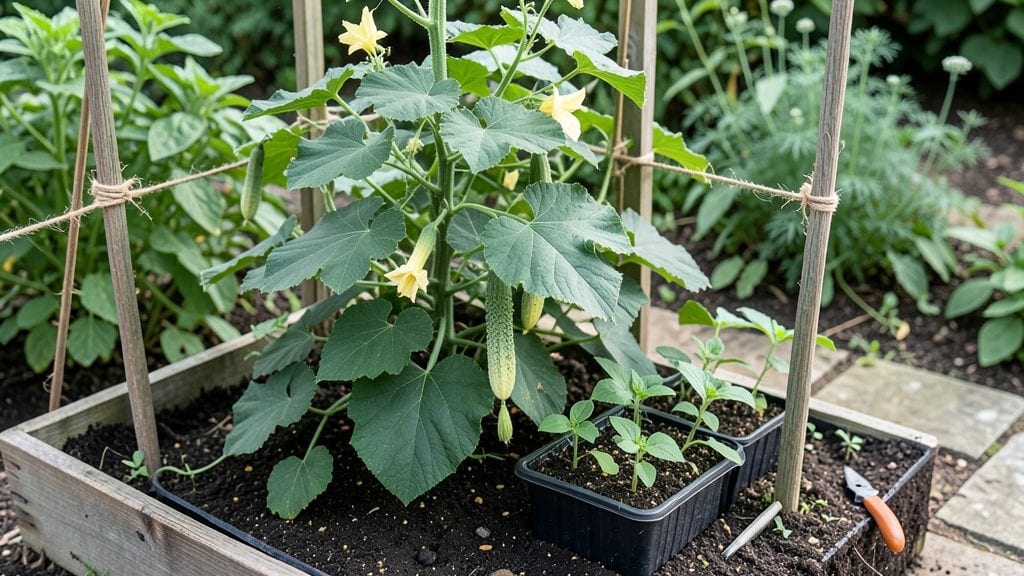
Planting lemon cucumbers delivers sunshine in your container garden—literally. These zesty vines grow faster than regular cucumbers, producing bright yellow fruits with a tangy, almost citrusy flavor that turns salads into showstoppers. I’ve grown them in 5-gallon containers for three seasons now, and they outperform store-bought varieties every time.
The secret to their speed lies in the right setup: full sun (6+ hours daily), well-draining potting mix, and a sturdy trellis to keep vines climbing. Start seeds indoors 4-6 weeks before your last frost, or plant young seedlings directly into containers once soil warms to 60°F.
Water consistently—these vines drink heavily—but avoid soggy roots, which invite disease.
By midsummer, you’ll be harvesting 1-inch-long lemons that burst with flavor, not the bland, watery cucumbers from the grocery store. The vines stay productive for weeks, and their compact growth makes them perfect for balconies or small patios.
Just watch for powdery mildew (spray with neem oil if you see white fuzz) and keep those leaves dusted with sunlight.
Works in zones 3-11, though they thrive best in warm climates. For cooler areas, grow them in containers you can move indoors before frost. Here’s how to get those first vines off the ground—fast.
📚 In This Guide
- What you need
- Instructions
- Tips and common mistakes
- Wrapping up and next steps
What you need
- ● Ready to grow your own zesty lemon cucumbers in containers? Here’s everything you’ll need to get started—whether you’re a seasoned gardener or a curious beginner! 🌱✨
Step-by-step instructions for planting lemon cucumbers in containers
Here's how to get your lemon cucumbers thriving quickly in containers with minimal fuss.
Choose and Prepare the Right Containers
Lemon cucumbers need space to sprawl, so select 5-gallon fabric grow bags or large plastic containers at least 18 inches deep—their extensive root systems will reward you with vigorous vines. If using plastic, drill multiple drainage holes near the bottom to prevent soggy roots, which quickly invite rot. I prefer fabric pots because they allow excess moisture to evaporate through the walls, keeping roots consistently aerated.
Fill each container with 3 gallons of high-quality potting mix enriched with 1 cup of compost. Avoid garden soil—it compacts too easily and suffocates roots. Tap the container gently after filling to settle the mix without compacting it. The surface should be level, with no air pockets that could create dry spots where roots won’t reach.
Plant Seeds or Transplants at the Correct Depth
If starting from seed, plant 2-3 seeds per container at a depth of ½ inch, spacing them 2 inches apart. Sowing too deep delays germination because the seedling must push through too much soil. Cover lightly with additional potting mix, then mist the surface with water until evenly moist—never soaking, as this can dislodge seeds. For faster results, use 4 healthy transplants spaced 6 inches apart in each container.
Press the soil gently around the seeds or roots to eliminate air pockets. Water deeply right after planting to settle the soil and encourage root contact. Place a small stake or trellis near each plant immediately—lemon cucumbers are vigorous climbers and will need support within 2-3 weeks. This prevents sprawling vines that can break under the weight of fruit.
Provide Optimal Light and Water for Rapid Growth
Lemon cucumbers thrive in full sun, so position containers where they’ll receive at least 6-8 hours of direct sunlight daily. A south-facing window or balcony works, but supplement with a grow light if natural light is insufficient—leggy, weak vines are a sure sign of light deprivation. Keep the light 4-6 inches above the plants and adjust as they grow to maintain that distance.
Water deeply every 2-3 days, ensuring the top 2 inches of soil feel dry before the next watering. Overwatering is the fastest way to kill these vines—yellowing leaves or mushy stems signal root rot. Instead, water at the base in the morning to allow foliage to dry quickly, reducing disease risk. Mulch with 1 inch of straw to retain moisture and suppress weeds.
Train Vines and Encourage Fruit Production
Once vines reach 12 inches tall, gently weave them around the trellis or stake, securing with soft plant ties. Prune side shoots (suckers) that form in the leaf axils to direct energy into main vines and fruit production. I remove all but 1-2 suckers per plant—too many compete for nutrients and slow growth. This pruning also improves air circulation, reducing the risk of powdery mildew.
Fertilize every 3 weeks with a balanced liquid fertilizer (10-10-10) diluted to half strength. Lemon cucumbers are heavy feeders, so don’t skimp—weak vines produce small, bitter fruit. Watch for male and female flowers: female flowers have tiny cucumbers at their base, while males don’t. Hand-pollinate by gently shaking vines in the morning to encourage fruit set, especially if bees are scarce.
Harvest for Continued Productivity
Lemon cucumbers are ready to harvest 50-60 days after planting when they’re 4-6 inches long and still firm. Use pruning shears to cut stems cleanly, leaving ½ inch of stem attached to the vine. This encourages more flowers and fruit to develop. Harvest every 2-3 days—neglected vines produce fewer, larger cucumbers that can become seedy and bitter.
After the first flush of fruit, trim back old vines that have finished producing to stimulate new growth. Container-grown lemon cucumbers often produce two harvest cycles per season if cared for properly. Store harvested cucumbers in the fridge for up to 1 week or use them fresh in salads, pickles, or as a zesty garnish.
Tips & tricks for fast-growing lemon cucumber vines in containers
A few key strategies will help you skip the common pitfalls and get those lemon cucumbers thriving in record time.
Container Selection Matters: While 5-gallon fabric grow bags are ideal, you can also use large plastic containers with adequate drainage. I've found that adding a layer of landscape fabric at the bottom of plastic pots prevents soil from clogging the drainage holes while still allowing excess water to escape. This small adjustment prevents root rot, which can kill your plants in just days. Remember, lemon cucumbers need that 18-inch depth for strong root development.
Germination Timing is Critical: When planting seeds at the ½-inch depth, maintain consistent moisture but avoid saturation. I've learned the hard way that overwatering at this stage can drown seeds before they sprout. Instead, use a spray bottle to mist the soil lightly every other day until you see sprouts emerging. For faster results, opt for healthy transplants spaced 6 inches apart—they'll start producing fruit within weeks rather than months.
Light Optimization for Speed: Those crucial 6-8 hours of sunlight are non-negotiable for rapid growth. If your space lacks sufficient natural light, supplement with a full-spectrum grow light positioned 4-6 inches above the plants. I've seen dramatic differences in vine strength when using LED grow lights—vines grow twice as fast and produce more fruit when given this extra light boost during shorter daylight hours.
Pruning Strategy for Bigger Harvests: The 2-3 week window before vines reach 12 inches is when you should establish your trellis system. I recommend using soft plant ties to secure vines rather than wire, which can damage tender stems. When pruning side shoots, focus on removing all but 1-2 suckers per plant—this redirection of energy results in stronger main vines that produce larger, more flavorful cucumbers.
Pro Tips for Planting Lemon Cucumbers
- A few key strategies will help you skip the common pitfalls and get those lemon cucumbers thriving in record time.
- Container Selection Matters: While 5-gallon fabric grow bags are ideal, you can also use large plastic containers with adequate drainage.
- Germination Timing is Critical: When planting seeds at the ½-inch depth, maintain consistent moisture but avoid saturation.
Frequently asked questions
Got questions about growing lemon cucumbers in containers? You’re not alone! Here are some of the most common ones—and their answers—to help you crush your harvest.
When is the best time to plant lemon cucumbers?
Plant lemon cucumbers after the last frost when soil temps hit 60°F (15°C) or warmer. For containers, start seeds indoors 4–6 weeks before transplanting (around mid-April in most zones). If you’re in a warm climate, you can direct-sow in early spring or late summer for a fall harvest.
Do lemon cucumbers grow well in containers?
Lemon cucumbers thrive in containers as long as the pot is at least 12–18 inches deep and has drainage holes. Use a lightweight potting mix and a trellis or cage to support their vines. Just ensure the container gets 6–8 hours of sunlight daily—they’re sun-worshippers!
How often should I water lemon cucumbers in pots?
Container-grown lemon cucumbers need consistent moisture—water when the top inch of soil feels dry. Aim for 1–1.5 inches of water per week, adjusting for heat or wind. Pro tip: Use a self-watering pot or mulch with straw to retain moisture and prevent stress.
What pests should I watch for, and how do I prevent them?
Common pests include aphids, cucumber beetles, and spider mites. Prevent issues with neem oil sprays or row covers. For beetles, handpick them early in the day. Keep your garden clean—remove debris and rotate crops yearly to disrupt pest cycles.
Can I grow lemon cucumbers from store-bought seeds?
Technically yes, but store-bought cucumbers are often hybridized for shelf life, not flavor or yield. For the best results, buy heirloom or seed-saving lemon cucumber seeds (like ‘Lemon’ or ‘Lemon Drop’) from a reputable supplier. Your harvest will thank you!
What can I do if my lemon cucumbers stop producing?
Fewer fruits? Check for overcrowding, lack of water, or poor pollination. Thin vines to improve airflow, hand-pollinate with a small brush, and ensure consistent watering. If temps soar above 90°F (32°C), provide afternoon shade to protect blossoms.
Wrapping up and next steps
Planting lemon cucumbers is a rewarding way to add a burst of zesty flavor to your container garden—whether you’re a beginner or a seasoned green thumb! 🌱 These fast-growing vines thrive in small spaces, offering a bountiful harvest with minimal effort.
Now that you’re equipped with the right materials and answers to common questions, it’s time to roll up your sleeves and get growing.
Start by choosing a sunny spot, prepping your container, and planting those seeds or seedlings. Before you know it, you’ll be savoring homegrown lemon cucumbers straight from the vine! Ready to take the next step? Check out our step-by-step planting guide to turn your container into a productive little garden oasis.