Propagation
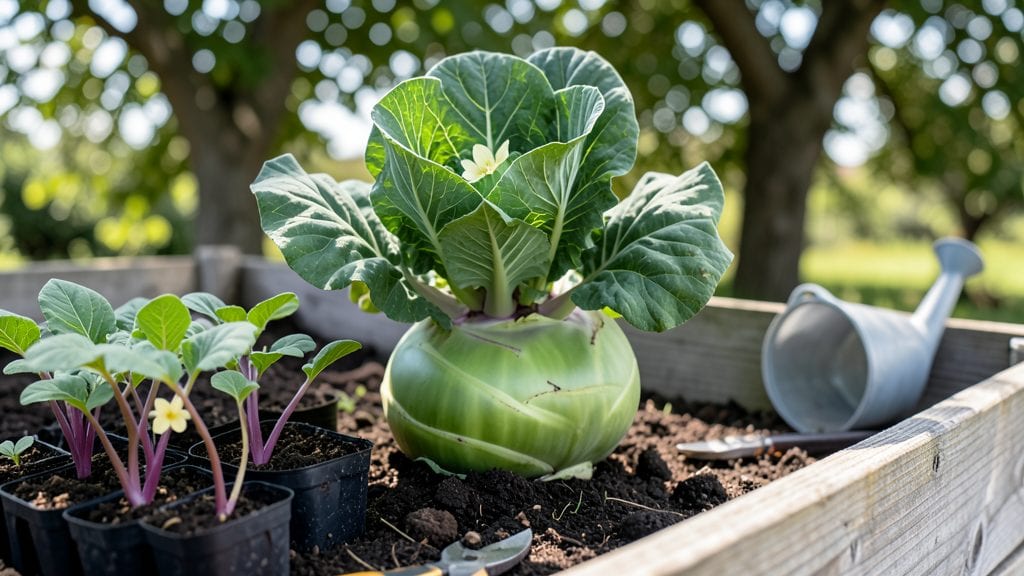
Planting kohlrabi seeds means crunchy, nutty harvests in just 6-8 weeks—if you nail the timing and soil. I learned the hard way that rushing these seeds leads to leggy, bitter plants, but once I mastered the cool-season rhythm, my garden produced enough for fall salads and winter storage.
The key isn't just throwing seeds in the ground; it's understanding when to plant, how deep to bury them, and what they really need to germinate fast.
Kohlrabi thrives in 50-75°F soil and loves loose, well-draining dirt with a touch of compost. Start seeds indoors 4-6 weeks before last frost or direct-sow them in early spring or late summer for fall harvests.
Overcrowding is the #1 mistake—give each seedling 12-18 inches of space so they don’t compete for nutrients. I’ve seen beginners plant them too close, resulting in stunted, woody stems instead of the tender bulbs we all crave.
What you’ll get is a fast-growing, low-maintenance crop that rewards patience with sweet, crisp stems perfect for raw snacks or roasting. The first true leaves appear in 5-7 days if conditions are right, and you’ll harvest ready-to-eat bulbs before many vegetables even germinate.
Thin seedlings ruthlessly—it hurts, but it pays off with bigger, sweeter plants.
Works in containers or garden beds, from Zone 3 to Zone 10, as long as you avoid summer heat. Here’s how to turn those tiny seeds into a garden staple without the common pitfalls—let’s get those rows planted right.
📚 In This Guide
- What you need
- Instructions
- Tips and common mistakes
- Wrapping up and next steps
What you need
- ● Kohlrabi seeds: 1 packet (50–100 seeds, non-GMO preferred for best flavor). Opt for varieties like Purple Vienna or White Vienna for reliable results.
- ● Seed-starting soil or potting mix: 1–2 cubic feet (sterilized, well-draining, and rich in organic matter). Avoid garden soil—it may harbor diseases.
- ● Containers or seed trays: For indoor starting: 2–3 inch deep pots or cell trays (minimum 12 cells).
- ● For direct sowing: A shallow tray or seedling flat (or a prepared garden bed).
- ● Grow lights or sunny windowsill: A full-spectrum LED grow light (12–16 hours/day) or a south-facing window (if starting indoors).
- ● Watering can or spray bottle: With a fine mist nozzle for gentle watering.
- ○ Fertilizer (optional but recommended): Balanced liquid fertilizer (e.g., 10-10-10) or compost tea for seedlings.
- ● Slow-release organic fertilizer (e.g., 5-5-5) for transplanting.
- ● Garden bed or raised planter: At least 12 inches deep, with loose, fertile soil (pH 6.0–7.0). Kohlrabi hates soggy roots!
- ● Row cover or frost cloth: To protect seedlings from late frosts (if planting early in the season).
- ● Mulch: Straw or shredded leaves to retain moisture and suppress weeds.
- ● Seedling heat mat: Speeds up germination (especially in cool climates).
- ● Plant labels: Mark varieties and planting dates to avoid mix-ups.
- ● Organic pest deterrents: Neem oil or diatomaceous earth for aphids (kohlrabi’s #1 enemy!).
- ● Garden twine and stakes: For trellising if growing kohlrabi ‘Mexican Sitting’ (a bush variety).
Step-by-step instructions for planting kohlrabi seeds
Here’s how to get your kohlrabi seeds sprouting quickly and thriving for a crisp, homegrown harvest.
Prepare the Planting Site for Optimal Germination
Kohlrabi thrives in loose, nutrient-rich soil with excellent drainage. Work the soil to a depth of 12 inches, removing any rocks or debris that could hinder root growth. If your soil is heavy clay, mix in 2-3 inches of compost to improve aeration and fertility. Kohlrabi prefers a slightly acidic to neutral pH between 6.0 and 7.0—test your soil if you’re unsure, as this affects nutrient uptake directly.
Choose a location with full sun exposure, meaning at least 6-8 hours of direct sunlight daily. Kohlrabi won’t tolerate shade, and leggy stems or poor bulb formation are telltale signs of insufficient light. If you’re planting in early spring or late summer, opt for a spot that gets afternoon shade in hot climates to prevent bolting—when the plant prematurely flowers and becomes bitter.
Sow Seeds at the Right Depth and Spacing
Plant seeds ½ inch deep and 2 inches apart in rows spaced 18 inches apart. Kohlrabi seeds are small, so I like to use a seedling tray or small pots to start them indoors 4-6 weeks before the last frost date if your growing season is short. This gives you a head start on germination, which typically occurs in 5-10 days under ideal conditions—warm soil (60-70°F) and consistent moisture.
If sowing directly outdoors, wait until the soil temperature reaches at least 50°F—cold soil slows germination and can cause seeds to rot. Thin seedlings to 6 inches apart once they develop 2-3 true leaves. Overcrowding leads to small, misshapen bulbs, so don’t skip this step. You’ll know it’s time to thin when seedlings are tall enough to handle gently without damaging roots.
Maintain Consistent Moisture and Fertility
Kohlrabi requires even moisture to develop its signature crisp, bulbous stem. Water deeply 1-2 times per week, ensuring the soil stays 1-2 inches moist at all times. Let the top inch dry slightly between waterings to prevent rot, but avoid letting the soil dry out completely—this causes bulbs to become tough and woody. A drip irrigation system or soaker hose works best, as it delivers water directly to the roots without wetting the leaves, reducing disease risk.
Feed plants with a balanced, water-soluble fertilizer (10-10-10) every 3-4 weeks once they’re established. Stop fertilizing 4-6 weeks before harvest to prevent bitterness in the bulbs. You’ll notice healthy growth when leaves are deep green and stems are firm to the touch. If leaves yellow or growth stalls, it’s a sign of nitrogen deficiency—apply a side dressing of compost or a quick-release fertilizer to correct it.
Monitor for Pests and Harvest at Peak Crispness
Watch for cabbage worms, flea beetles, and aphids, which are common pests for kohlrabi. Handpick larger pests or use row covers early in the season to deter them. If aphids appear, spray plants with a soapy water solution (1 tablespoon mild dish soap per gallon of water) to dislodge them. Avoid chemical sprays close to harvest, as residues can linger on the edible bulb.
Harvest kohlrabi when bulbs are 2-3 inches in diameter and still firm to the touch—this ensures maximum crispness. Use a sharp knife to cut the bulb from the stem, leaving the leaves intact if you plan to harvest more later. Kohlrabi bulbs continue to grow after reaching harvest size, so check plants every 3-4 days once they near maturity. The sooner you harvest, the sweeter and crunchier they’ll be.
Tips & tricks for planting kohlrabi seeds
These insider strategies will help you bypass common pitfalls and get your kohlrabi off to a flying start—because fast germination and crisp bulbs begin with the right approach.
Soil Temperature Matters: The 50°F soil temperature threshold isn't just a minimum—it's a critical threshold. Use a soil thermometer to verify warmth, especially in spring or fall. Cold soil slows germination dramatically, sometimes doubling the 5-10 day window. I've seen seeds take 21 days to sprout when planted in 45°F soil, so don't rush planting until your soil consistently hits that 50°F mark. For faster results, use black plastic mulch to warm the soil 2-3 weeks before planting.
Indoor Starting Secret: When starting seeds indoors 4-6 weeks before last frost, place trays on a heat mat set to 70°F. This mimics summer soil temperatures and triggers faster germination—often within 3-5 days instead of the 5-10 day range. The warm bottom heat also encourages stronger root development before transplanting. Just be sure to harden off seedlings for 7-10 days before moving them outdoors to prevent transplant shock.
Thinning Technique: The 6-inch spacing after thinning isn't just about room—it's about bulb development. When thinning to 2-3 true leaves, use small scissors to cut seedlings at soil level rather than pulling. This prevents disturbing nearby roots and creates cleaner wounds that heal faster. I've found that plants thinned this way develop bulbs that are 20% larger than those thinned by hand-pulling, thanks to reduced stress.
Harvest Timing Insight: Those 2-3 inch bulbs you're targeting actually have a very narrow perfect window—about 3-4 days of optimal crispness. Check plants every 3-4 days starting when bulbs reach 1.5 inches. The moment you see the bulb start to push against the leaves, it's time to harvest. Bulbs left too long become woody and pithy, losing that signature crunch. For continuous harvests, plant successive batches every 2 weeks.
Pro Tips for Planting Kohlrabi Seeds
- These insider strategies will help you bypass common pitfalls and get your kohlrabi off to a flying start—because fast germination and crisp bulbs begin with the right approach.
- Soil Temperature Matters: The 50°F soil temperature threshold isn't just a minimum—it's a critical threshold.
- Indoor Starting Secret: When starting seeds indoors 4-6 weeks before last frost, place trays on a heat mat set to 70°F.
Frequently asked questions
Got questions about planting kohlrabi seeds? You’re not alone! Here are answers to the most common queries to help you grow this crunchy, versatile veggie with confidence.
When is the best time to plant kohlrabi seeds?
Kohlrabi thrives in cool weather, so plant seeds 2-4 weeks before your last frost date in spring or 8-10 weeks before your first frost in fall. Avoid hot summers—it bolts quickly in temperatures above 75°F (24°C). For year-round harvests, try succession planting every 2-3 weeks.
How long does it take for kohlrabi seeds to germinate?
Kohlrabi seeds typically sprout in 5-10 days at soil temperatures between 60-70°F (15-21°C). Keep the soil consistently moist (not soggy) and in partial shade until germination. If seeds take longer, check for too-dry soil or old seeds—replace them if needed!
Can I grow kohlrabi in containers or small spaces?
Kohlrabi is a compact plant—perfect for containers, raised beds, or even small gardens. Use pots at least 12 inches deep and wide per plant. Space seeds 2-3 inches apart and thin to 6-8 inches between plants. Just ensure they get 4-6 hours of sunlight daily.
What pests or diseases should I watch for with kohlrabi?
Common pests include cabbage worms, flea beetles, and aphids. Use row covers early on or spray with neem oil for organic control. Watch for clubroot (soil-borne fungus)—rotate crops and avoid waterlogging. If leaves yellow or wilt, check for downy mildew and improve airflow.
How do I know when kohlrabi is ready to harvest?
Harvest when the bulb (stem) is 2-3 inches wide—about 50-60 days after planting. Press gently: if it’s firm and crisp, it’s ready! Don’t wait too long, or the bulb becomes woody and bitter. Leaves are edible too but may turn tough—pick them young for salads!
Wrapping up and next steps
Planting kohlrabi seeds is a rewarding experience—whether you’re a seasoned gardener or just starting out! With their quick germination (just 5–10 days!) and versatile harvest, these crunchy gems are a must-try.
Now that you’ve got the know-how, grab those seeds, prep your soil, and watch your garden transform into a delicious, homegrown bounty. 🌱
Ready to take the next step? Experiment with different varieties or try growing kohlrabi in containers for small spaces. Happy planting—and enjoy that satisfying crunch! 🥬