Pruning
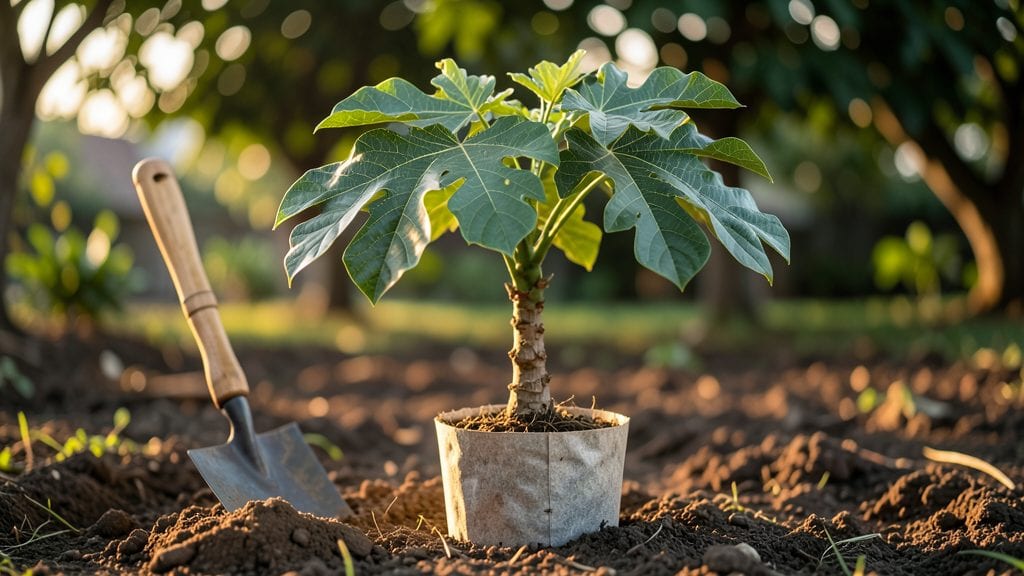
Planting a jackfruit tree in your yard means years of harvesting the world’s largest fruit—if you get the soil and sunlight just right. 🌿 I’ve watched mine go from a sapling to a towering tree producing 80-pound fruits, and the secret starts with well-draining, slightly acidic soil mixed with compost.
This tropical giant thrives where temperatures stay above 60°F year-round, so if you’re in zones 10-12, you’re in the perfect climate.
The best part? You can grow it from seed or a grafted sapling—both work, but grafts fruit faster. I started with seeds, and while they’re slower to bear fruit, there’s something rewarding about watching a tree you nurtured from scratch.
Just plant the seedling 12-15 inches deep in a hole twice as wide as its root ball, and water it deeply right after. The first few months are all about keeping the soil moist but never soggy.
By the time your jackfruit tree hits 3-5 years, you’ll be harvesting fruit that tastes like a mix of pineapple, mango, and banana—if you’ve given it enough space (they need 30-40 feet between trees).
The leaves stay lush year-round, and the tree’s sprawling branches create shade that’s perfect for hot afternoons. Just watch for fungal issues in humid climates, and you’ll be set for a lifetime of tropical treats.
Whether you’re in Hawaii, Florida, or a warm microclimate elsewhere, this tree adapts beautifully—just mimic its natural habitat with plenty of sunlight and protection from cold snaps. The payoff? A backyard that feels like a tropical paradise, complete with fruit so big it takes two hands to hold.
📚 In This Guide
- What you need
- Instructions
- Tips and common mistakes
- Wrapping up and next steps
What you need
- ● Jackfruit seed: 1-2 mature, viable seeds (harvested from fresh, organic jackfruit). Pro tip: 💡 Soak seeds in warm water for 24 hours to speed up germination!
- ● Well-draining potting mix: 5-10 gallons (for container planting) or enriched garden soil (for in-ground planting). Mix with compost (20-30%) for nutrients.
- ● Pot or planting hole: Container: 15-20 gallon pot (with drainage holes) for young trees.
- ● In-ground: Hole twice as wide as the root ball, with loose, aerated soil.
- ● Watering can or hose: With a gentle spray nozzle for moisture control.
- ● Fertilizer: Balanced 10-10-10 NPK or organic options like fish emulsion (apply sparingly at planting).
- ● Mulch: 2-3 inches of wood chips or straw to retain moisture and regulate soil temp.
- ● Grow lights: For indoor seedlings (12-14 hours/day) until outdoors.
- ● Pruning shears: Small, sharp pair for early shaping.
- ● Soil pH test kit: Jackfruit thrives in 6.0-7.5 pH—adjust with lime or sulfur if needed.
- ○ Trellis or support: For young trees in windy areas (optional for dwarf varieties).
- ● Slow-release fertilizer tablets: For hassle-free nutrient boosts.
Step-by-Step instructions for planting a jackfruit tree
Here's how to get your tropical jackfruit tree thriving in sun-drenched soil—no green thumb required!
🌱 Step 1: Choose the Right Location and Prepare the Soil
Jackfruit trees crave full sun—at least 6-8 hours daily—so pick a spot where they’ll bask in warmth. I always test the soil first by digging a 6-inch hole—if the dirt stays clumpy when wet, amending it with organic matter is key. Mix in 2-3 inches of compost from your ingredients list into the top 12 inches of soil to loosen it up.
These trees love well-draining soil with a slightly acidic to neutral pH (6.0-7.5). If your soil is heavy clay, mound the planting area into a small hill to prevent waterlogging. Real talk: Jackfruit roots hate soggy feet, so drainage is non-negotiable.
🪴 Step 2: Plant Your Sapling at the Perfect Depth
Dig a hole twice as wide as the root ball but only as deep—this prevents burying the trunk too far, which can rot. Gently remove the sapling from its container and loosen any circling roots with your fingers. Place it in the hole so the top of the root ball sits level with the ground (no deeper, no shallower).
Backfill with the amended soil, pressing lightly around the edges to eliminate air pockets. I like to add a 1-inch layer of mulch (from your ingredients) around the base, keeping it 2 inches away from the trunk to avoid moisture buildup. Water deeply right after planting—1-2 gallons—to settle the soil.
☀️ Step 3: Water and Protect in the First Critical Months
Jackfruit trees need consistent moisture but hate waterlogged roots. Water 2-3 times per week during the first month, giving 3-5 gallons per watering depending on your climate. You’ll know it’s right when the top 2 inches of soil feel damp but not soggy. Overwatering is the #1 killer—trust me, I’ve seen it!
If you’re planting in a hot, dry climate, provide afternoon shade for the first 2 weeks to reduce transplant shock. Young leaves will yellow slightly at first—that’s normal! But if they turn crispy or wilt, you’re either underwatering or overwatering. Adjust until you see deep green, glossy foliage emerging.
✂️ Step 4: Fertilize and Prune for Strong Growth
Wait 8-12 weeks before fertilizing—this gives roots time to establish. Then, apply a balanced tropical fertilizer (like your 10-10-10 mix) every 2 months during the growing season. I scatter it 6 inches away from the trunk and water it in immediately. Avoid high-nitrogen fertilizers—they promote leafy growth at the expense of fruit.
Prune only to remove dead, diseased, or crossing branches. Jackfruit trees are sensitive, so don’t trim more than 20% of the canopy in one session. The goal is to encourage an open, airy shape that lets sunlight reach all branches. You’ll see new growth within 4-6 weeks—that’s your sign everything’s on track!
⏰ Step 5: Monitor for Pests and Seasonal Adjustments
Check leaves weekly for signs of pests like scale insects or aphids—they love jackfruit sap. Spray with neem oil (from your ingredients) if you spot sticky residue (honeydew) on leaves. I mix 1 tablespoon neem oil with 1 quart water and apply it in the early morning to avoid burning foliage.
In winter, reduce watering to once every 2 weeks unless your climate stays warm year-round. Jackfruit trees are tropical—if temperatures drop below 50°F, protect young trees with burlap wraps or move potted ones indoors. With patience, you’ll see first flowers in 3-5 years—and those fragrant blooms are worth every step!
Tips & tricks for perfect jackfruit tree planting
Here's what I wish I'd known before planting my first jackfruit tree—these tricks make all the difference between a struggling sapling and a thriving tropical giant!
Soil Prep Secret: In Step 1, when amending your soil with 2-3 inches of compost, I recommend mixing in a handful of perlite or coarse sand too—this improves drainage even more for those jackfruit roots. The 6-8 hours of sun is non-negotiable, but soil texture is just as critical. Think of it like giving your tree's roots a spa day—loose, airy soil prevents that dreaded waterlogging.
Planting Depth Hack: During Step 2, use a small wooden stake to mark where the top of the root ball sits before backfilling. This visual guide prevents accidentally burying the trunk too deep, which can cause rot. I've seen beginners bury the trunk 2 inches too deep, and within weeks, the tree starts showing stress. That stake is your insurance policy for perfect depth!
Watering Wisdom: The 2-3 times per week watering in Step 3 might seem straightforward, but timing matters. Water in the early morning so leaves dry quickly—this prevents fungal issues. And here's the thing: those 3-5 gallons should soak the soil to 12 inches deep, not just the top 2 inches. Use a long screwdriver to check moisture at that depth after watering.
Fertilizer Timing: In Step 4, waiting 8-12 weeks before fertilizing is crucial, but don't skip the soil test first! I've seen people rush in with fertilizer when the soil is already nutrient-rich, leading to leafy growth at the expense of fruit. A simple $20 soil test kit from your local garden center gives you the exact pH and nutrient levels—jackfruit trees thrive in that 6.0-7.5 range, but too much nitrogen will make your tree grow like a weed instead of producing fruit.
Pro Tips for Planting Jackfruit Tree
- Here's what I wish I'd known before planting my first jackfruit tree—these tricks make all the difference between a struggling sapling and a thriving tropical giant!
- Soil Prep Secret: In Step 1, when amending your soil with 2-3 inches of compost, I recommend mixing in a handful of perlite or coarse sand too—this improves drainage even more for those jackfruit roots.
- Planting Depth Hack: During Step 2, use a small wooden stake to mark where the top of the root ball sits before backfilling.
Frequently asked questions
Got questions about planting your own jackfruit tree?
You’re not alone! Here are answers to the most common queries—from timing to troubleshooting—so you can grow this tropical giant with confidence.
When is the best time to plant a jackfruit tree?
The ideal time is during the early rainy season (spring/summer in tropical zones) or late fall in cooler climates. Jackfruit thrives in warm soil (60°F+), so avoid planting when frost is possible. If you’re in a dry region, water deeply 1–2 weeks before planting to help roots establish faster.
How long does it take for a jackfruit tree to bear fruit?
Patience is key! Young trees typically take 3–5 years to bear fruit, though some varieties may take up to 7 years. Factors like soil quality, sunlight, and proper care can speed this up. Pro tip: Male and female flowers appear on separate trees, so plant at least two for pollination (or one self-pollinating variety like ‘Jumbo’).
Can I grow a jackfruit tree in a pot, or does it need to be planted in the ground?
Jackfruit trees can start in pots (5+ gallon containers) but will need large, deep planters (20+ gallons) as they grow. For long-term success, transplant to the ground once established (when roots fill the pot). In pots, ensure excellent drainage and fertilize monthly. Warning: Mature trees can reach 60+ feet—ground planting is ideal for full growth!
What pests or diseases should I watch for, and how do I prevent them?
Common issues include:
- Root rot: Avoid waterlogged soil; ensure pots/containers have drainage holes.
- Scale insects or mealybugs: Spray with neem oil or insecticidal soap if you spot sticky residue on leaves.
- Fungal diseases (e.g., anthracnose): Prune infected branches and space trees for airflow.
Regularly inspect leaves and soil for early signs—prevention is easier than treatment!
How do I know if my jackfruit tree is male or female?
It’s tricky, but here’s how to tell:
- Female trees: Produce small, round fruits (called “buttons”) that swell into jackfruits. Flowers have a single, large central ovary.
- Male trees: Have clusters of tiny, non-fruiting flowers (no ovary). They’re essential for pollination!
If you’re unsure, plant two trees—one may naturally be female. Fun fact: Some varieties (like ‘Golden Ice Cream’) are self-pollinating!
Wrapping up and next steps
Planting a jackfruit tree is a rewarding journey that brings tropical beauty and delicious fruit to your backyard! 🌱 With the right soil, sunlight, and care, you’ll soon enjoy its lush leaves and sweet harvests.
Now that you’re equipped with the key steps and tips, it’s time to roll up your sleeves and start digging.
Ready to nurture your own jackfruit tree? Start by choosing a sunny spot, preparing the soil, and planting your sapling with confidence. Happy growing—your future tropical treats await! 🍈✨