Trees
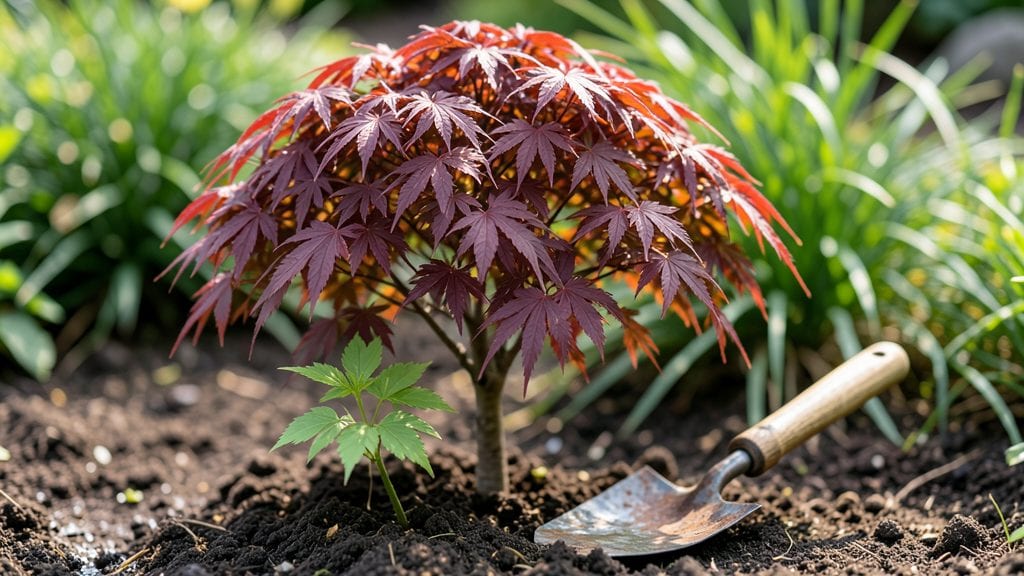
Planting box trees isn't just for big backyards—it's how I turned my tiny balcony into a lush, leafy retreat. 🌿 The right container and species can make all the difference, especially when space is limited.
I learned the hard way that not all trees thrive in boxes, but the ones that do reward you with years of greenery and even fruit.
Start with the right 5-gallon minimum container for dwarf varieties and mix in fast-draining soil to prevent root rot. Boxwoods, Japanese maples, and dwarf citrus trees are my top picks—they handle confinement like pros.
Just avoid willows or poplars; their roots will strangle themselves in no time. The key is matching your tree's mature size to the container's depth and width.
Once planted, keep the soil consistently moist but never soggy—containers dry out fast, and overwatering is the silent killer. A 1-inch layer of mulch on top keeps moisture in and weeds out, while regular pruning keeps your tree compact.
Within a year, you'll have a thriving mini-tree that outshines any store-bought plant.
This method works for patios, balconies, or even sunny windowsills—just adjust the container size to the tree's growth habit. The secret? Right tree, right box, right care—and you're set for years of green success. Let's get those roots settled!
📚 In This Guide
- What you need
- Instructions
- Tips and common mistakes
- Wrapping up and next steps
What you need
- ● Boxwood Trees: 1–3 young trees (choose dwarf varieties like Buxus microphylla or Buxus sempervirens for containers).
- ● Container: 1–2 large pots (12–18 inches deep, with drainage holes). Use lightweight materials like ceramic, fiberglass, or high-quality plastic.
- ● Potting Soil: 1–2 bags of well-draining mix (e.g., 60% potting soil + 40% perlite or sand). Avoid garden soil—it compacts!
- ● Mulch: 1–2 inches of organic mulch (e.g., pine bark fines or shredded leaves) to retain moisture and regulate temperature.
- ● Gloves (gardening or work gloves to protect your hands).
- ● Trowel or small shovel for digging and planting.
- ● Watering can or hose with a gentle spray nozzle (avoid overwatering!).
- ● Pruning shears (for shaping and maintenance).
- ○ Optional: Slow-release fertilizer (e.g., 10-10-10 or organic options like composted manure).
- ● Container saucers or trays (to catch runoff and protect surfaces).
- ● Moisture meter (to monitor soil hydration, especially in hot climates).
Step-by-step instructions for planting box trees in containers
Here's how to grow lush, healthy boxwoods in containers—perfect for small spaces and structured designs.
🪴 Step 1: Choose the Right Containers and Drainage
Box trees need room to grow, so select 18-24 inch diameter containers for each plant—this matches their mature size and prevents root binding. I always opt for containers with built-in drainage holes or drill additional ones if needed. Place a 2-inch layer of gravel or broken pottery at the bottom to ensure excess water drains away from roots.
Unglazed terra cotta pots work beautifully because they allow moisture to evaporate through the walls, keeping roots from sitting in dampness. If using plastic, choose containers with a minimum 20% depth-to-width ratio to accommodate their fibrous root systems. Avoid shallow planters—they restrict growth and lead to waterlogged soil.
🌱 Step 2: Prepare the Soil Mix for Optimal Growth
Box trees thrive in well-draining, slightly acidic soil with a pH between 6.0 and 7.0. Mix equal parts of potting soil, perlite, and compost to create a loose, airy medium. I like to add a handful of sphagnum peat moss to retain moisture while preventing compaction.
Fill the container about 1/3 full with your mix, then tap the pot gently to settle the soil. The goal is a fluffy texture that allows roots to spread easily. Avoid garden soil—it’s too dense and can harbor pests or diseases. For established plants, a 2-inch layer of bark mulch on top helps retain moisture and regulate temperature.
☀️ Step 3: Plant and Position for Full Sun Exposure
Dig a hole in the center of the container twice as wide as the root ball but no deeper. Gently remove the box tree from its nursery pot and loosen the roots if they’re circling. Place the plant so the top of the root ball sits 1 inch below the container rim—this prevents water from pooling around the stem.
Backfill with soil, pressing lightly to eliminate air pockets. Water deeply until moisture runs from the drainage holes, then add a 1-inch layer of mulch around the base (but not touching the trunk). Position your container in a spot with at least 6 hours of direct sunlight daily. Box trees tolerate partial shade but grow more slowly and may become leggy.
💧 Step 4: Water and Fertilize for Healthy Growth
Water your box tree every 2-3 days until the top 2 inches of soil feel dry. Overwatering is the biggest mistake—it causes root rot and yellowing leaves. I use a moisture meter to check; if it reads dry at 2 inches, it’s time to water. During hot summers, you may need to water daily, but always let excess water drain away completely.
Fertilize in early spring with a balanced, slow-release fertilizer (10-10-10) applied according to package instructions. Avoid high-nitrogen fertilizers—they promote leafy growth at the expense of sturdy stems. Prune lightly after flowering to maintain shape, but never cut more than 1/3 of the plant’s foliage in one season.
✂️ Step 5: Prune and Maintain for Long-Term Health
Box trees need regular pruning to stay compact and bushy. Use clean, sharp shears to trim back 1/3 of the new growth in late spring or early summer. I always cut just above a leaf node to encourage branching. Avoid heavy pruning in fall—it stimulates tender new growth that won’t survive winter.
Watch for signs of stress like yellowing leaves or brown tips. These often signal overwatering or nutrient deficiencies. If pests like spider mites appear, treat with neem oil or insecticidal soap. With proper care, your container-grown box trees will stay vibrant for years, offering year-round structure to small gardens.
Tips & tricks for perfect container-grown box trees
These pro tips will help you avoid common pitfalls and create the ideal environment for your container-grown box trees to thrive.
Container Selection Wisdom: When choosing your 18-24 inch containers, prioritize materials that regulate moisture. Unglazed terra cotta is my top recommendation because it naturally wicks away excess moisture through the pot walls, preventing the root zone from becoming soggy. If you opt for plastic containers, look for those with a 20% depth-to-width ratio—the extra depth gives roots room to establish without binding. I've seen many gardeners make the mistake of using decorative containers without drainage, which leads to root rot within months.
The Soil Mix Secret: The equal parts potting soil, perlite, and compost mix is non-negotiable for box trees, but here's what nobody tells you: pre-mix your components in a wheelbarrow or large bin before adding to containers. This ensures even distribution of the airy perlite throughout the soil. I also recommend sifting the potting soil first to eliminate any large clumps that could create air pockets. For established plants, that 2-inch layer of bark mulch isn't just decorative—it acts as a natural moisture regulator, especially during summer heat waves.
Planting Position Precision: That 1-inch depth below the container rim might seem like a small detail, but it's critical for preventing stem rot. When backfilling, press gently but firmly around the root ball to eliminate air pockets—this helps the roots make immediate contact with the soil. For containers placed on patios or decks, consider adding wheel casters to the bottom. This lets you easily rotate the container every few weeks to ensure even sun exposure all around the plant, preventing that leggy growth you see in one-sided box trees.
Watering Strategy: The 2-3 day watering schedule works perfectly in moderate climates, but here's my real talk: invest in a moisture meter. I've seen too many box trees suffer from overwatering because people rely on visual cues alone. The top 2 inches should be dry before watering again—stick the meter in at that depth. During summer, I water mine daily but always let excess water drain completely through the holes. Pro tip: place your containers on saucers with pebbles rather than directly on soil. This prevents water from pooling at the bottom and keeps roots oxygenated.
Pro Tips for Planting Box Trees
- These pro tips will help you avoid common pitfalls and create the ideal environment for your container-grown box trees to thrive.
- Container Selection Wisdom: When choosing your 18-24 inch containers, prioritize materials that regulate moisture.
- This ensures even distribution of the airy perlite throughout the soil.
Frequently asked questions
Got questions about planting box trees in containers? You’re not alone! Here are some of the most common concerns—and their straightforward solutions—to help you grow a lush, healthy tree in your small space.
What’s the best soil mix for container-grown boxwood trees?
Use a well-draining potting mix blended with perlite or sand (about 20% by volume) to prevent root rot. Boxwoods thrive in slightly acidic to neutral soil (pH 6.0–7.0). Avoid heavy garden soil—it compacts and suffocates roots! Pro tip: Add a handful of compost for nutrients.
How often should I water my box tree in a planter?
Water when the top 1–2 inches of soil feel dry (test with your finger!). In hot weather, this could mean daily watering, while cooler months may only need weekly checks. Overwatering is the #1 killer—ensure pots have drainage holes and avoid soggy soil.
Can I grow a box tree in a small pot, or do I need a large container?
Boxwoods grow slowly but can handle 10–15 gallon pots for mature trees (3–6 feet tall). For dwarf varieties (like ‘Green Mountain’), 3–5 gallon pots work well. Just ensure the pot is at least 12 inches deep—shallow containers restrict root growth.
Why are my box tree leaves turning yellow or brown?
Yellow leaves often signal overwatering or poor drainage, while brown edges may mean underwatering or sunburn. Check for pests (like spider mites) or nutrient deficiencies (use a balanced fertilizer in spring/fall). Prune dead branches to encourage new growth.
Do box trees need winter protection in containers?
Yes! Container-grown boxwoods are more vulnerable to cold. Move pots to a sheltered spot (like a garage or against a wall) before temps drop below 20°F (-7°C). Wrap the pot in burlap or use a tree guard for extra insulation.
Wrapping up and next steps
Planting box trees in containers is a fantastic way to bring greenery and life to even the smallest spaces! 🌿 Whether you’re a beginner or a seasoned gardener, the key is choosing the right species, providing proper care, and giving your tree the love it needs to thrive.
With the right setup—like well-draining soil, adequate sunlight, and regular watering—your container tree will flourish and become a stunning focal point.
Now that you’re armed with the knowledge, why not start planting today? Pick your favorite boxwood variety, grab your supplies, and get growing! Your future self (and your curb appeal) will thank you. 🌱✨