Pruning
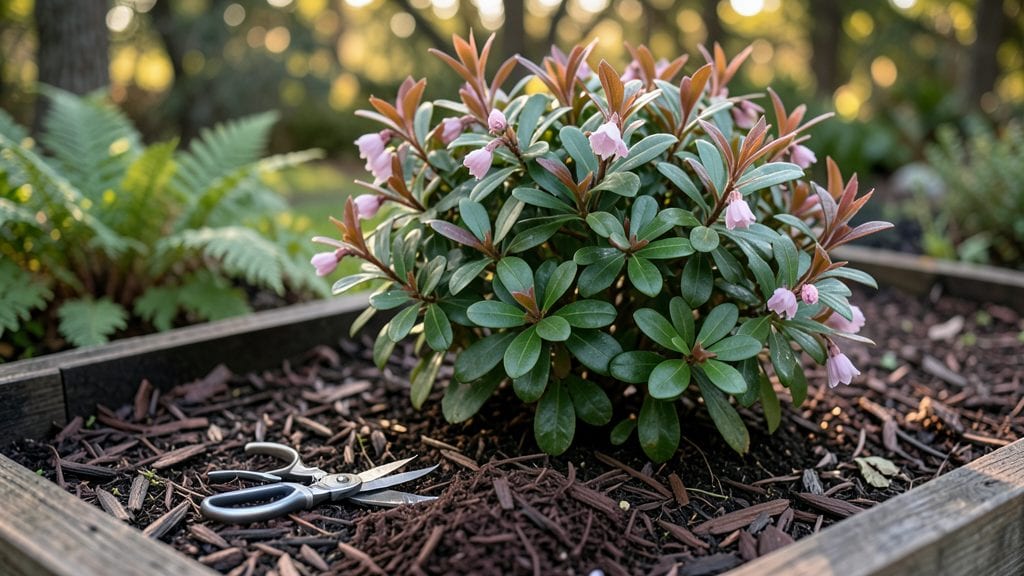
Pruning your Pieris 🌿 plant is the game-changer for keeping it blooming year after year, but timing and technique make all the difference.
If your Pieris shrubs look tired or stop producing those stunning spring flowers, you're not alone. Many gardeners miss the best window for trimming, leaving their plants stressed or overgrown. The right cuts can revive your shrub and turn it into the showstopper of your garden.
Pieris thrive in USDA Zone 6a when pruned correctly, but the wrong approach can stunt growth or even kill next year's blooms. Whether you're a beginner or a seasoned gardener, mastering the art of Pieris pruning will give you healthier plants and more vibrant flowers.
In this guide, I’ll walk you through the exact steps—when to trim, what tools to use, and how to avoid common mistakes—so your Pieris stays lush and full of life for seasons to come.
The best time to prune Pieris for maximum blooms
If your Pieris shrubs are struggling to produce those stunning spring blooms, timing your pruning correctly could be the game-changer you need. Unlike many shrubs, Pieris blooms on old wood, meaning last year’s growth produces this year’s flowers.
Cutting at the wrong time risks removing next year’s blossoms entirely. Let’s dive into the optimal pruning windows and how to protect your Pieris flowers while keeping your shrub healthy.
Most gardeners make one of two mistakes: pruning too late in the season or waiting until summer when new growth is already underway. Both approaches can reduce flowering and stress your plant. The key is understanding when your Pieris is most resilient and how climate zones influence the ideal timing.
For example, in USDA Zone 7, the window is narrower than in Zone 5, where cooler springs allow for a more extended pruning period.
Here’s what you need to know before grabbing your pruning shears—this numbered highlights section breaks down the critical timing, seasonal considerations, and how to avoid common pitfalls.
Pieris Pruning Timeline: What You Must Know
- 1. Late Winter (Before Bud Break) – Best time for Pieris pruning. Aim for February or early March in most climates, just as dormancy ends but before buds swell. This ensures you’re not cutting off next year’s flowers.
- 2. After Blooming (Summer Option) – If you miss the late winter window, you can prune right after flowering (late May to early June). This is your second-best time but requires more caution to avoid damaging new growth.
- 3. Never Prune in Fall or Early Spring – Fall pruning invites disease and pest issues, while early spring cuts risk removing flower buds that haven’t yet emerged.
- 4. Adjust for Your Climate – In warmer zones (Zone 8+), prune in January to avoid late-winter frosts. In cooler zones (Zone 5 or below)April when frost risk has passed.
- 5. Focus on Dead or Damaged Wood – Always prioritize removing dead branches or crossing limbs first, regardless of season. These cuts won’t impact flowering but improve air circulation and plant health.
Now that you know the optimal windows, let’s tackle why spring pruning is the gold standard for Pieris. When you prune in late winter, you’re targeting last year’s growth that’s already produced flowers.
This approach stimulates new growth from the base, creating a fuller shrub while preserving the flower buds that form on old wood.
One common misconception is that Pieris should be pruned like azaleas or rhododendrons, which also bloom on old wood. While they share similarities, Pieris responds best to light, strategic cuts rather than heavy shaping.
Over-pruning can leave your shrub looking bare and leggy, with fewer blooms the following year. Aim to remove no more than 25-30% of the plant’s volume in a single session.
If you’re in a warmer climate, such as Zone 9 or 10, your Pieris may bloom earlier, shifting the pruning window to January or February. The rule remains the same: prune before buds break.
In these regions, summer pruning is riskier because the heat can stress the plant, and new growth may not harden off before winter.
For gardeners in cooler climates, like Zone 4 or 5, patience is key. Wait until after the last frost date—typically mid-April—to prune. This ensures your Pieris isn’t shocked by a late freeze, which can delay blooming or damage tender new shoots.
If you’re unsure about your last frost date, check your local USDA zone map or ask at your cooperative extension office.
Here’s a pro tip: Mark your calendar for the two-week window before your area’s average last frost. This gives you flexibility to prune without rushing. If you’re still unsure, observe your Pieris—when you see buds swelling but haven’t yet opened, it’s time to prune.
This visual cue is foolproof for timing.
Finally, remember that Pieris is a low-maintenance shrub when pruned correctly. By sticking to the late winter window and avoiding summer cuts, you’ll encourage vibrant blooms for years to come. Next, we’ll cover the step-by-step techniques to shape your Pieris without sacrificing next year’s flowers.
Step-by-step Pieris pruning techniques for healthy growth
Pruning your Pieris shrubs isn’t just about shaping—it’s about encouraging lush foliage and abundant blooms. When done correctly, pruning removes dead or diseased wood while stimulating new growth in all the right places.
The key is precision: knowing where to cut, when to stop, and how to avoid accidentally trimming off next year’s flowers.
Your Pieris will reward you with vibrant spring blooms and a denser canopy if you follow these step-by-step techniques. Whether you’re a beginner or a seasoned gardener, these methods will help you achieve that picture-perfect shrub you’ve always dreamed of.
Let’s get started with the essential tools and steps to prune like a pro!
Step-by-Step Pieris Pruning Guide
-
Step 1: Gather Your Tools
Use sharp bypass pruners for clean cuts on smaller branches and loppers for thicker stems. Don’t forget sterilized tools to prevent spreading disease.
-
Step 2: Remove Dead or Diseased Wood
Start by cutting out any brown, brittle branches or those with fungal spots. Cut back to a healthy green stem or outward-facing bud.
-
Step 3: Thin Out Overcrowded Branches
Look for crossing branches or those growing inward. Remove 1/3 of the oldest wood to encourage new growth from the base.
-
Step 4: Shape the Shrub
Use your pruners to trim back overgrown branches by 1/3 of their length. Aim for a natural, balanced shape while keeping the center open for airflow.
-
Step 5: Encourage Bushier Growth
Cut just above a leaf node or outward-facing bud to promote new side shoots. Avoid cutting into old wood where no buds remain.
-
Step 6: Clean Up and Sterilize
Remove all pruned debris from the area and sterilize tools with rubbing alcohol to prevent disease spread to other plants.
-
Step 7: Apply Fertilizer (Optional)
After pruning, apply a balanced fertilizer (like 10-10-10) to encourage new growth and replenish nutrients in the soil.
When pruning your Pieris, always make cuts at a 45-degree angle just above a bud or leaf node. This ensures the plant directs energy to new growth rather than sealing off the wound.
Avoid cutting into old, woody stems where no buds are present, as this can stunt future blooms.
One of the most common mistakes is over-pruning, which can leave your Pieris vulnerable to sunburn or pests. Stick to removing only 1/3 of the oldest wood per year to maintain a healthy balance.
If you accidentally prune too much, don’t panic—your shrub will recover with proper care and consistent watering.
For best results, prune your Pieris in early spring, just as new growth begins. This timing allows the plant to recover quickly and produce vibrant blooms for the season. With these techniques, your Pieris will thrive for years to come!